Roof Damage Risks That Are Easy to Miss but Costly to Ignore
The roof is one of the most critical components of your home’s structure, but it often doesn’t receive the attention it deserves until a serious problem arises. While obvious signs of roof damage like leaks or missing shingles are hard to miss, there are many subtle warning signs that homeowners frequently overlook. These seemingly minor issues can escalate into significant and expensive repairs if not addressed promptly. Recognizing these hidden dangers is crucial for protecting your investment and ensuring the safety and longevity of your home. In this blog post, we will explore six commonly overlooked roof damage risks that can lead to major consequences if ignored.
Minor Shingle Damage That Hides Larger Issues
Small imperfections in your roof’s shingles, such as curling, cracking, or slight lifting, might seem harmless at first glance. These minor signs of wear can be indicators of aging materials or underlying structural problems. Damaged shingles compromise your roof’s ability to shed water properly, potentially allowing moisture to seep into the underlying wood deck. This can lead to wood rot, mold growth, and eventual structural failure. Homeowners may not realize there’s a problem until a leak becomes visible inside the home, at which point the damage is already widespread. Routine inspections, particularly after heavy storms or seasonal changes, can help identify and correct these problems before they evolve into costly repairs.
Flashing Failures That Invite Moisture Infiltration
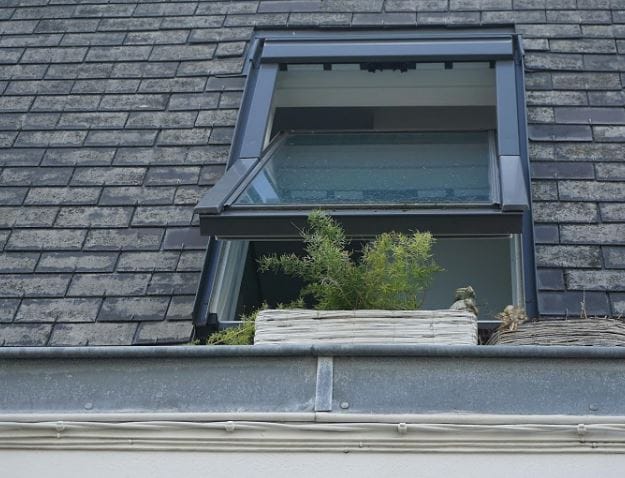
Flashing is a critical but often overlooked element of your roofing system, designed to seal and protect vulnerable areas like chimneys, vents, and skylights. When flashing becomes corroded, improperly sealed, or dislodged, it creates direct pathways for water to enter your home. These issues can go unnoticed until serious leaks appear inside, often accompanied by mold or structural damage. Working with a full-service Alpharetta roofing contractor can help ensure that flashing is thoroughly inspected and properly maintained as part of a comprehensive roofing evaluation. Catching flashing failures early prevents widespread water infiltration and helps preserve the integrity and longevity of your entire roof system.
Moss and Algae Growth Masking Roof Decay
Green patches on your roof might look benign or even quaint, but they often signal trouble. Moss and algae thrive in moist, shaded environments and can gradually deteriorate roofing materials. Moss in particular holds moisture against the shingles, causing them to lift and separate. This compromises the roof’s waterproofing and can lead to leaks and rotting beneath the surface. What makes this risk particularly deceptive is that it often spreads slowly and quietly. By the time a homeowner recognizes a problem, the damage may be extensive. Keeping the roof clean, applying preventative treatments, and ensuring proper sunlight exposure can help curb this hidden danger.
Clogged Gutters Causing Hidden Water Damage
Gutters play a crucial role in directing rainwater away from your home’s roof and foundation, but they are often neglected until they visibly overflow. When leaves, twigs, and other debris clog your gutters, water backs up onto the roof, leading to pooling and potential seepage beneath shingles. This prolonged moisture exposure can deteriorate roofing materials and even contribute to ice dams during colder months. The result? Water damage that compromises your roof and interior ceilings or walls. Regularly cleaning your gutters and ensuring proper drainage protects the roof and reduces the risk of foundational water intrusion and landscape erosion.
Ventilation Problems That Affect Roof Integrity
Proper attic ventilation is crucial to maintaining a healthy roof system, but it’s something many homeowners overlook. Inadequate airflow can lead to a buildup of heat and moisture in the attic, accelerating the aging of roofing materials and encouraging mold growth. Trapped heat can cause shingles to blister or warp, while trapped moisture may rot the roof deck or insulation. Signs of poor ventilation are subtle, but the long-term impact can be severe. Investing in attic fans or soffit and ridge vents can help keep the air circulating and preserve your roof’s longevity.
Tree Limbs and Overhanging Branches Causing Damage
While a mature tree can enhance the curb appeal of your home, overhanging limbs can silently threaten your roof’s integrity. Branches that rub against the roof during windy conditions can scrape off the protective granules from shingles, weakening them. Falling branches during storms can cause immediate and obvious destruction, but even small, repetitive contact can wear down your roof without immediate signs of damage. Trees can drop leaves and seeds that clog gutters or retain moisture on the roof surface.
Many forms of roof damage are easy to overlook until they become major issues. From minor shingle imperfections and flashing failures to subtle ventilation problems and biological growth, these hidden threats can undermine the structural integrity of your home without you even realizing it. Staying vigilant through regular inspections, maintenance, and prompt action when potential problems arise can save you a great deal of stress, time, and money. Your roof protects everything beneath it, and taking care of it is one of the smartest investments you can make.