Windex pH: The Science Behind the Shine
When you reach for that iconic blue bottle to tackle a dirty window or smudged mirror, you’re harnessing the power of chemistry. A key factor in Windex’s cleaning effectiveness is its pH level. Understanding the pH of Windex not only explains how it works but also helps you use it more safely and effectively on various surfaces in your home.
What is pH and Why Does It Matter for Cleaners?
The pH scale measures how acidic or alkaline (basic) a substance is, running from 0 to 14.
- A pH of 7 is neutral (like pure water).
- A pH below 7 is acidic (like lemon juice or vinegar).
- A pH above 7 is alkaline or basic (like baking soda or bleach).
Most household dirt falls into two categories: greasy, oily films (which are acidic) and water-based soils like fingerprints and dust. Alkaline cleaners are particularly effective at cutting through grease and grime by chemically breaking them down through a process called saponification.
So, What is the pH of Windex?
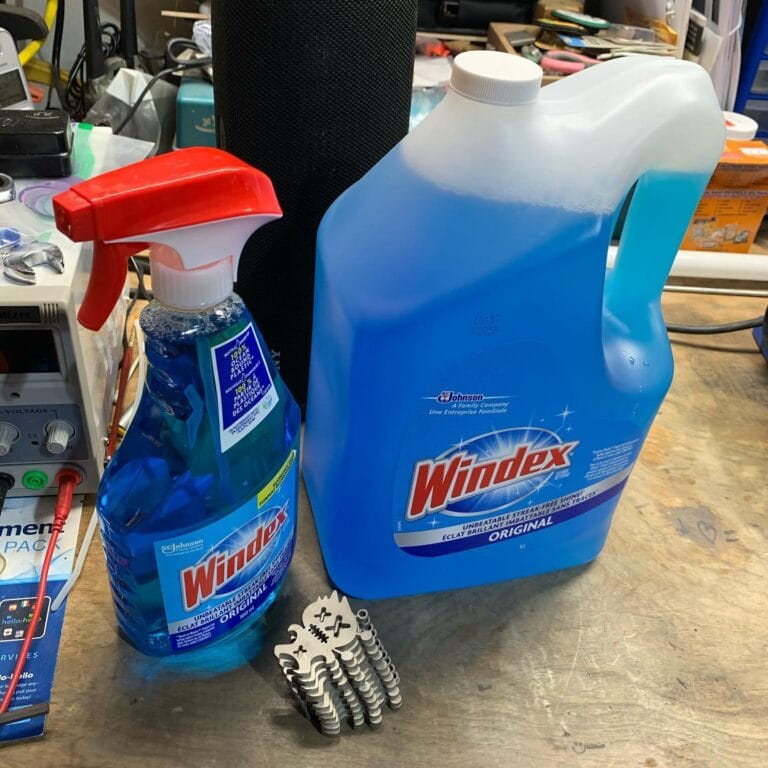
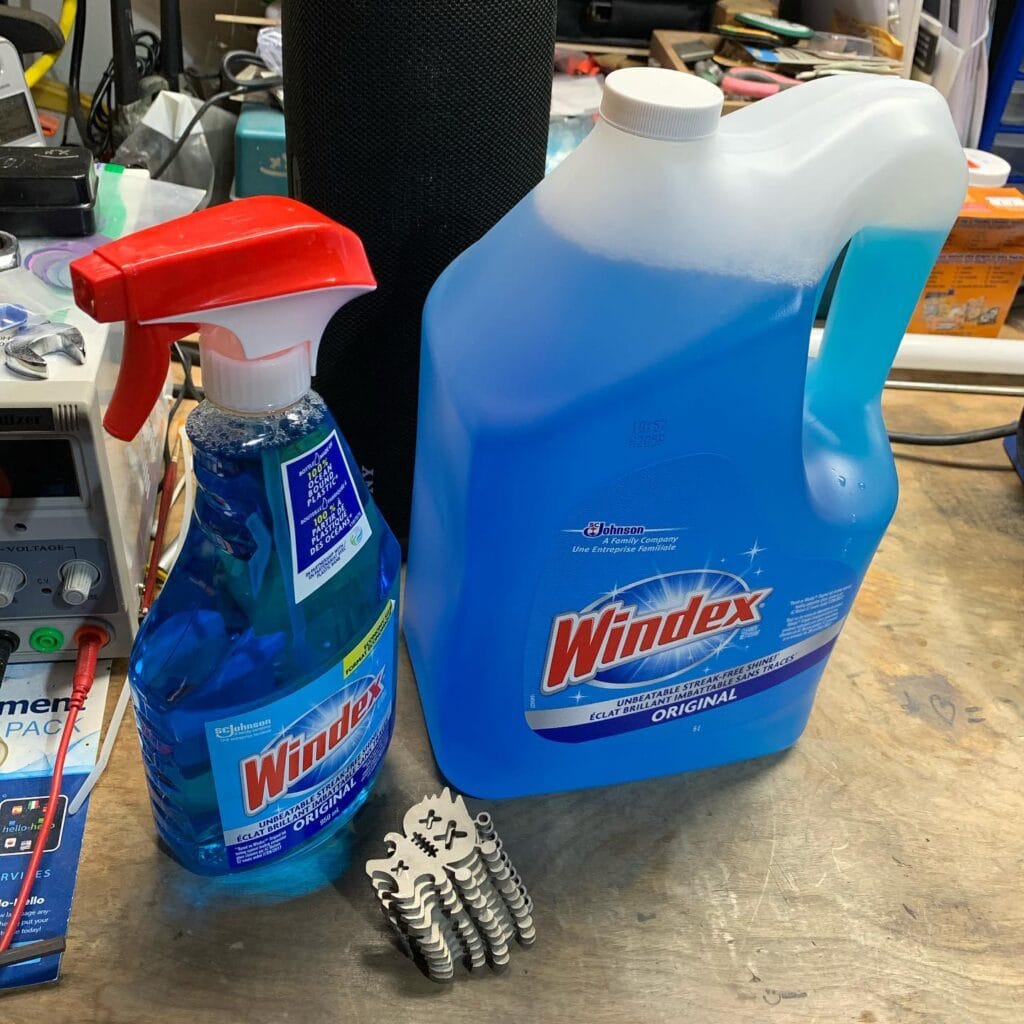
It’s crucial to note that “Windex” is a brand name that encompasses several different formulas. The pH can vary significantly depending on the specific product.
- Classic Blue Windex Original Vinegar Formula: This popular variant has a pH of approximately 3.5, making it acidic. This is due to its primary active ingredient, vinegar (acetic acid). It’s excellent for dissolving mineral deposits like hard water stains and soap scum.
- Windex Original Glass Cleaner (Ammonia-D Formula): The traditional, ammonia-based formula is alkaline, with a pH typically around 8-9. Ammonia is a powerful base that effectively cuts through grease and grime on glass without leaving streaks.
- Windex Multi-Surface Cleaners: These can vary but are generally formulated to be mid-range alkaline (pH 8-10) to safely handle a variety of surfaces like countertops, appliances, and sealed stone.
Quote: “The pH of a cleaner is like its strategic weapon. Alkaline formulas neutralize acidic grime like grease, while acidic formulas are perfect for dissolving alkaline deposits like lime scale. Knowing your cleaner’s pH helps you pick the right tool for the job.” – A Chemical Engineer specializing in consumer products.
Windex pH Comparison Table
This table provides a clear, at-a-glance comparison of popular Windex formulas and common household cleaners.
| Cleaner / Substance | pH Level | Acidity/Alkalinity | Primary Use |
|---|---|---|---|
| Battery Acid | ~0.5 | Strong Acid | Industrial |
| Vinegar | ~2.5 | Acidic | Degreasing, De-scaling |
| Windex Vinegar Formula | ~3.5 | Acidic | Glass, Hard Water Stains |
| Lemon Juice | ~2.0 | Acidic | Degreasing, Deodorizing |
| Pure Water | 7.0 | Neutral | Baseline |
| Windex Ammonia Formula | ~8-9 | Alkaline | Glass & Grease Cutting |
| Baking Soda Solution | ~9.0 | Alkaline | Mild Cleaning, Deodorizing |
| Windex Multi-Surface | ~8-10 | Alkaline | Various Hard Surfaces |
| Household Bleach | ~11-13 | Strong Alkaline | Disinfecting, Whitening |
How Windex’s pH Affects Its Cleaning Power
The alkaline nature of the classic Windex formula is key to its performance.
- Cutting Grease: The alkaline surfactants (surface-active agents) in Windex emulsify oily residues. They surround and break down grease molecules, allowing them to be wiped away with a cloth.
- Streak-Free Shine: The combination of pH-balanced cleaning agents and solvents, along with its fast-drying formula, ensures that dirt is dissolved and removed without leaving a residue that could cause streaking.
Safety and Surface Compatibility: A pH Guide
Using the wrong pH cleaner on a surface can cause permanent damage. Here’s a quick guide:
Surfaces Safe for Alkaline Windex (Ammonia/Multi-Surface):
- Glass & Mirrors
- Stainless Steel Appliances (check manufacturer’s advice)
- Ceramic Tile
- Most Laminate Countertops
- Chrome & Porcelain
Surfaces to Avoid with Alkaline Windex:
- Marble & Granite: These natural stones are sensitive to alkalines and acids. Prolonged exposure can etch (dull) the surface. Use a pH-neutral cleaner specifically designed for stone.
- Aluminum: Ammonia can cause discoloration and corrosion.
- Wood: The alkaline solution can break down the finish and damage the wood over time.
Important Note: Always spot-test any cleaner, including Windex, on a small, inconspicuous area first.
Key Takeaways: Windex pH Unlocked
- Windex is not a single formula. Its pH depends on the variant, ranging from acidic (~3.5 for Vinegar) to alkaline (~8-9 for Ammonia).
- Alkaline Windex is a grease-fighter. Its basic pH allows it to effectively break down and remove common oily soils from glass and other hard surfaces.
- Acidic Windex is a de-scaler. The vinegar formula is ideal for tackling hard water spots and mineral deposits.
- Surface compatibility is key. Always match the cleaner’s pH to the surface you are cleaning to avoid damage. When in doubt, consult the surface manufacturer’s guidelines and spot-test.
By understanding the science of Windex pH, you can move from simply cleaning to cleaning smartly, ensuring a perfect, streak-free shine on the right surfaces every time.