Will Sevin Dust Kill Japanese Beetles? A Gardener’s Guide
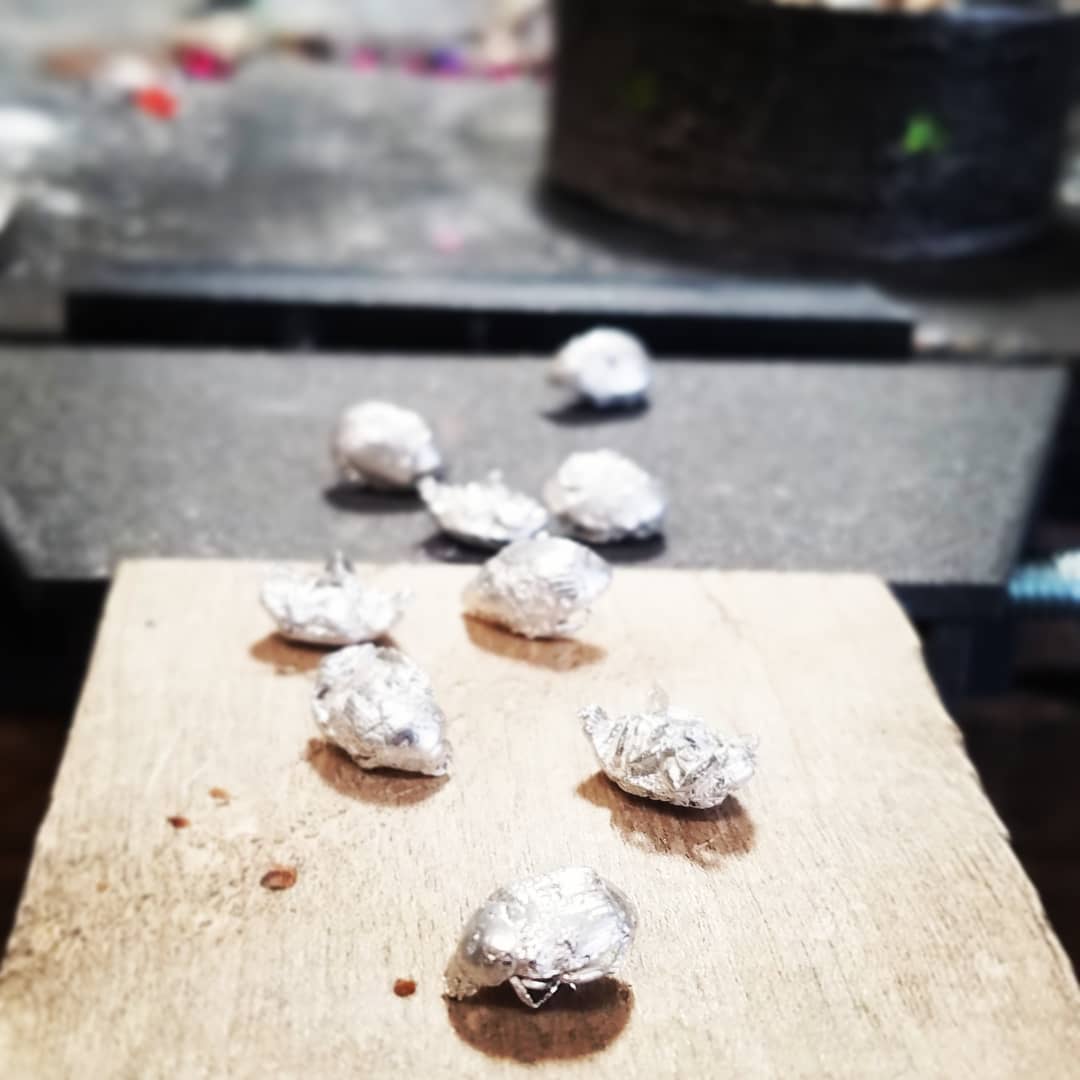
The short answer is yes, Sevin Dust is a highly effective and fast-acting insecticide for killing Japanese beetles on contact. For generations, gardeners have reached for the familiar yellow bottle of Sevin (with the active ingredient Carbaryl) when these metallic-green-and-copper pests descend upon their roses, raspberries, and linden trees. But while its effectiveness is undeniable, the decision to use it requires a deeper look at how it works, its risks, and the alternatives available.
This article will provide a thorough breakdown of everything you need to know about using Sevin Dust against Japanese beetles, empowering you to make the best choice for your garden.
How Sevin Dust Works on Japanese Beetles
Sevin Dust’s active ingredient is Carbaryl, a chemical classified as a carbamate insecticide. It works by affecting the nervous system of insects.
Upon contact with the dust, Japanese beetles absorb the Carbaryl through their exoskeleton. The chemical disrupts the enzyme cholinesterase, which is essential for proper nerve function. This leads to paralysis, convulsions, and rapid death. The effect is primarily contact-based, meaning the beetle must directly touch the dust particles to be affected. It also has some residual activity, meaning it can continue to kill beetles that land on treated leaves for several days, depending on weather conditions like rain or irrigation.
A Gardener’s Perspective: “When the Japanese beetles swarm my prize roses, Sevin Dust is my emergency response. I see beetles dropping from the plants within minutes of application. It’s a powerful tool, but I use it sparingly and only when the infestation is at its worst.” – Mark, Rose Enthusiast, Ohio
The Pros and Cons of Using Sevin Dust
While effective, using Sevin Dust is a trade-off. It’s crucial to weigh the immediate benefits against the potential long-term consequences.
The Advantages:
- High Efficacy: It kills Japanese beetles quickly and reliably.
- Ease of Use: The shaker container makes for straightforward application directly onto affected plants.
- Broad-Spectrum Control: It also controls many other common garden pests like aphids, cabbage worms, and ticks.
The Significant Disadvantages:
- Harmful to Beneficial Insects: This is its biggest drawback. Sevin Dust is not selective. It will kill vital pollinators like honeybees, ladybugs, lacewings, and earthworms if they come into contact with it.
- Potential for Plant Damage (Phytotoxicity): The dust formulation can sometimes cause leaf burn, especially on sensitive plants during hot, sunny weather.
- Environmental and Health Concerns: Carbaryl is toxic to aquatic life and can be harmful if inhaled or ingested by humans or pets. Its use is restricted in some areas.
- Short Residual After Rain: The dust can be easily washed off by rain or overhead watering, requiring reapplication.
Sevin Dust vs. Other Japanese Beetle Control Methods
How does Sevin stack up against other popular control strategies? The table below provides a clear comparison.
| Control Method | How It Works | Pros | Cons | Best For |
|---|---|---|---|---|
| Sevin Dust (Carbaryl) | Contact & stomach poison | Fast-acting; easy to apply; effective on heavy infestations. | Highly toxic to bees & beneficial insects; short-lived residue; health/environmental concerns. | Emergency, short-term knockdown of severe outbreaks. |
| Neem Oil | Insect growth regulator & repellent | Organic; less harmful to bees when applied at dusk/dawn; repels beetles. | Slower acting; requires frequent reapplication (after rain); doesn’t kill on contact. | Ongoing, low-impact management and prevention. |
| Hand-Picking | Physical removal | 100% organic, safe, and free. Immediate results. | Labor-intensive; time-consuming; unpleasant for some. | Small gardens and early-morning patrols. |
| Japanese Beetle Traps | Lures beetles with floral/sex pheromones | Can capture thousands of beetles. | Often attracts MORE beetles to your yard than it catches; can worsen the problem. | Placing far away from the garden you want to protect. |
| Milky Spore | Biological grub control | Long-term solution; kills grubs in soil for 10-20 years; safe for everything else. | Very slow-acting (takes 2-5 years for full effect); only targets grub stage. | A long-term, lawn-wide strategy to reduce future populations. |
| Beneficial Nematodes | Biological grub control | Organic; effective against soil-dwelling grubs; safe for plants and humans. | Requires specific application (moist, cool soil); needs reapplication. | Targeting grubs in specific garden beds or lawn areas. |
How to Use Sevin Dust Safely and Effectively (If You Choose To)
If you decide that Sevin Dust is necessary, following these guidelines is critical to minimize harm.
- Identify the Infestation: Confirm you are dealing with Japanese beetles. Look for skeletonized leaves (only the veins remain) and clusters of the beetles themselves.
- Apply in the Early Morning or Late Evening: This is when pollinators like bees are least active. Never apply to open, blooming flowers.
- Wear Protective Gear: Use gloves, a long-sleeved shirt, long pants, and a dust mask to avoid inhalation and skin contact.
- Target the Pests: Apply a thin, even layer directly to the foliage of affected plants, focusing on the tops and bottoms of leaves where beetles feed.
- Avoid Watering & Rain: Check the forecast and do not apply if rain is expected within 24 hours.
- Store Securely: Keep the container in a cool, dry place, out of reach of children and pets.
The Verdict: Is Sevin Dust the Right Choice?
Sevin Dust is a powerful, effective knockdown tool for a severe Japanese beetle infestation, but it should not be your first or only line of defense.
Think of it as an emergency measure, not a routine treatment. Its significant negative impact on the ecosystem of your garden—particularly the decimation of pollinator populations—makes it a costly short-term solution.
For a sustainable, long-term approach, integrate multiple methods:
- Start with hand-picking in the early morning when beetles are sluggish.
- Use neem oil sprays as a deterrent.
- Invest in a long-term grub control like milky spore for your lawn to reduce the next generation.
By understanding both the power and the peril of Sevin Dust, you can make an informed decision that protects your plants while also safeguarding the health of your garden’s environment.