Will Clorox Kill Wasps? An Expert Look at the Risks and Alternatives
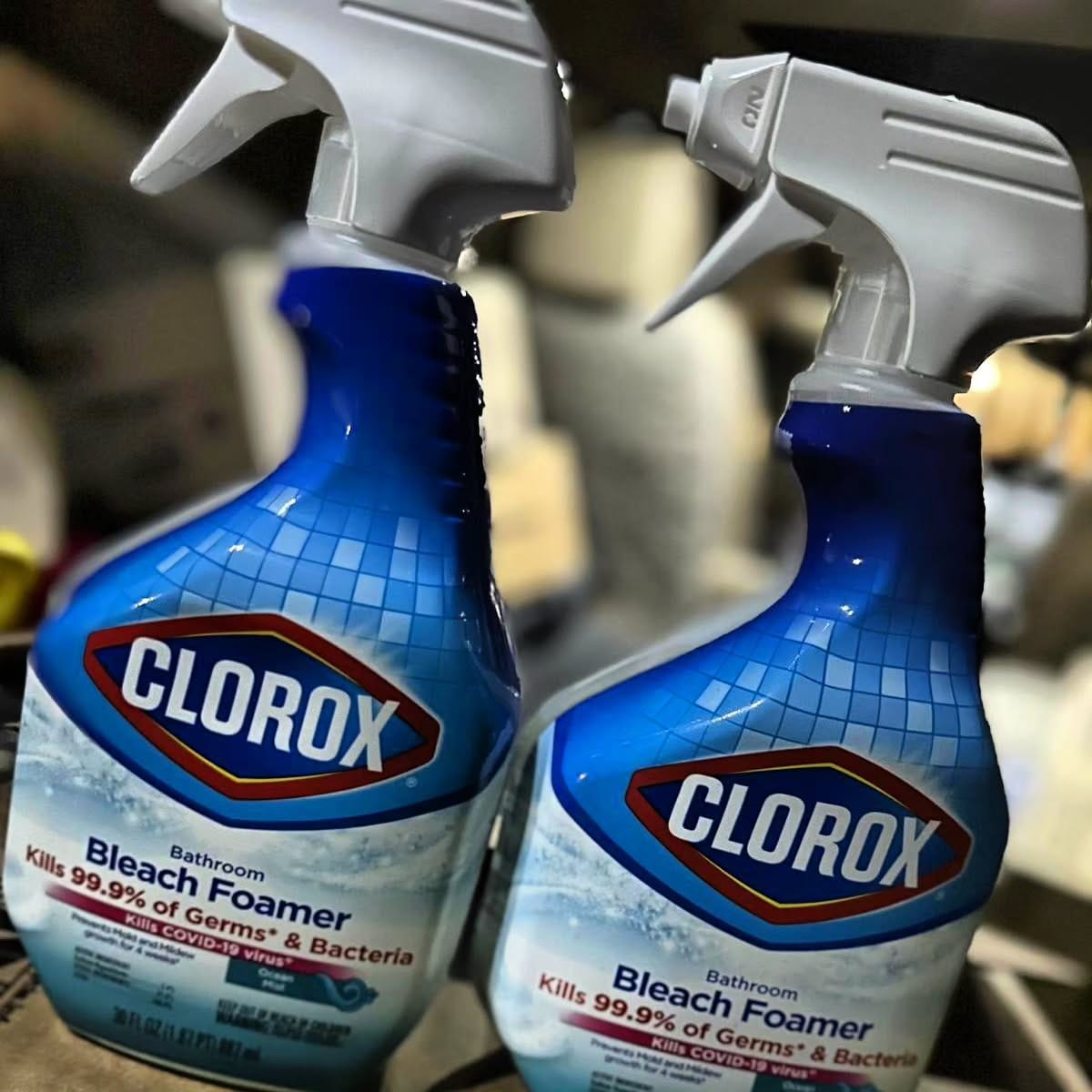
When a wasp nest appears near your home, the instinct to eliminate it quickly is powerful. In the search for a readily available solution, many homeowners wonder: will Clorox kill wasps?
The short answer is yes, direct contact with a strong Clorox bleach solution can kill wasps, as it is a corrosive chemical that damages their exoskeleton and respiratory systems. However, using Clorox for this purpose is highly ineffective, dangerous, and not recommended by pest control experts.
This article will delve into why Clorox is a poor choice for wasp control and provide you with safer, more effective alternatives to handle these stinging insects.
How Does Clorox Affect Wasps?
Bleach is a powerful oxidizing agent. When it makes direct contact with a wasp, it can:
- Corrode the Exoskeleton: It breaks down the protective outer layer of the wasp.
- Cause Internal Damage: If ingested or inhaled, it damages internal tissues and the respiratory system.
In theory, spraying a wasp with a concentrated bleach solution will eventually kill it. However, the key phrase is “eventually.” It is not an instant knock-down toxin like a proper insecticide.
Quote from a Pest Control Professional: “While bleach is a fantastic disinfectant, it’s a terrible insecticide. Its mode of action is too slow. A wasp sprayed with bleach won’t die immediately; it will become agitated and is far more likely to sting you in defense. You’re trading a controlled situation for a highly volatile one.” – Michael Thompson, Certified Entomologist.
The Dangers of Using Clorox to Kill Wasps
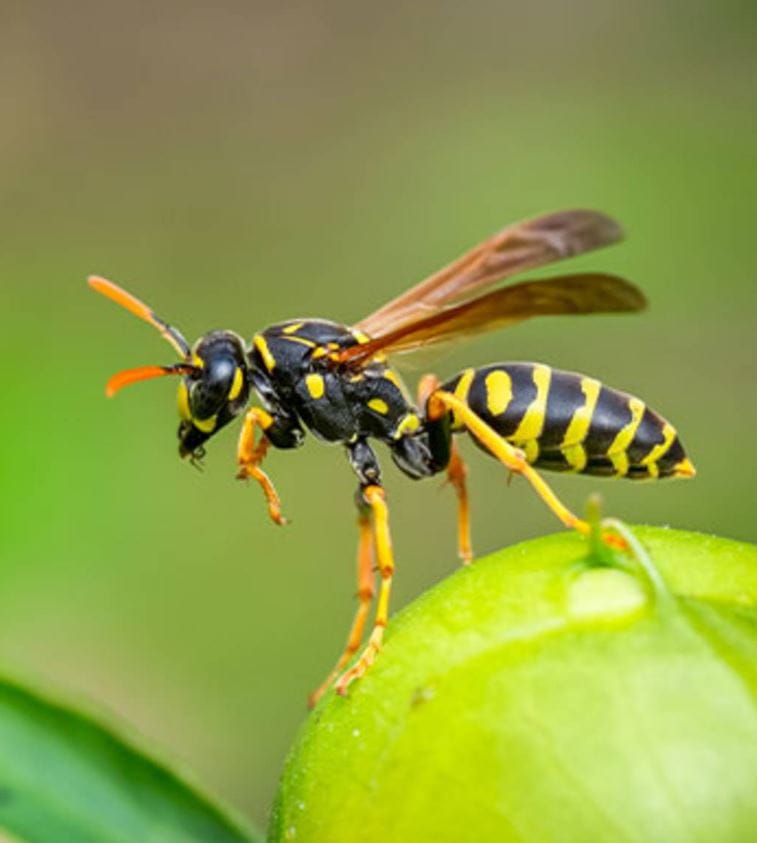
Using bleach to tackle a wasp nest introduces significant risks that far outweigh any potential benefit.
| Risk | Explanation |
|---|---|
| Agitation, Not Elimination | Bleach does not kill wasps on contact. It will provoke them, turning a calm nest into a swarm of aggressive, defensive insects targeting the perceived threat—you. |
| Severe Health Hazard | Bleach is corrosive to human skin, eyes, and lungs. Spraying it into the air increases the risk of inhalation, which can cause respiratory distress. Accidental splashing can lead to chemical burns. |
| Ineffective on the Nest | Bleach cannot penetrate and destroy the entire nest structure or reliably kill all the larvae and queen inside. This means the colony can often recover, making the problem persistent. |
| Property Damage | Chlorine bleach is a strong oxidizing agent that can discorate and damage siding, paint, wood, and plants in your yard. |
| Toxic to Environment | Runoff from bleach is harmful to soil health, beneficial insects, and nearby water sources. |
Safer and More Effective Alternatives to Clorox
For your safety and the effectiveness of the treatment, choose a method designed specifically for the task.
1. Commercial Wasp & Hornet Sprays
These are the gold standard for a reason. They are formulated with powerful insecticides like pyrethroids that kill on contact and feature a jet spray that allows you to apply the product from a safe distance of 10-20 feet.
Why they are better: Fast-acting, long-range, and often contain foaming agents that trap wasps inside the nest.
2. DIY Soap and Water Solution
A highly effective and non-toxic alternative is a mixture of liquid dish soap and water.
- Recipe: 1/4 cup of dish soap to 1 quart of water in a spray bottle.
- How it works: The soap clogs the wasps’ spiracles (breathing pores) and breaks the surface tension of water, causing it to sink into their respiratory system. It kills them quickly and is safe for the environment.
3. Calling a Professional Exterminator
For large nests, nests in hard-to-reach places (like inside a wall or attic), or if you are allergic to stings, this is the best and safest option. Professionals have the training, protective equipment, and commercial-grade products to remove the threat efficiently.
Comparison Table: Clorox vs. Proper Wasp Control Methods
| Feature | Clorox Bleach | Commercial Wasp Spray | Soap & Water Solution |
|---|---|---|---|
| Effectiveness | Low (Slow-acting) | Very High (Instant Knockdown) | High (Rapid Suffocation) |
| Safety for User | Low (Chemical Burns, Fumes) | Medium (Follow label directions) | High (Non-Toxic) |
| Range | Short (Spray Bottle) | Long (10-20 foot Jet Stream) | Short (Spray Bottle) |
| Property Damage Risk | High (Bleaching, Corrosion) | Low | None |
| Environmental Impact | High (Toxic) | Medium (Follow label directions) | Low (Biodegradable) |
| Nest Elimination | Poor | Excellent | Good for small nests |
The Verdict: Skip the Clorox
So, will Clorox kill wasps? Technically, yes. But using Clorox to kill wasps is a bad idea. It is a dangerous, inefficient, and damaging method that puts you and your property at risk.
For the sake of your safety and sanity, opt for a method designed for the job. A can of commercial wasp spray is an inexpensive, reliable, and far safer solution for dealing with these stinging pests. For persistent or dangerous infestations, do not hesitate to call a professional exterminator to handle the problem safely and completely.