Why Your Dryer Takes Too Long to Dry (And What Most Homeowners Miss)
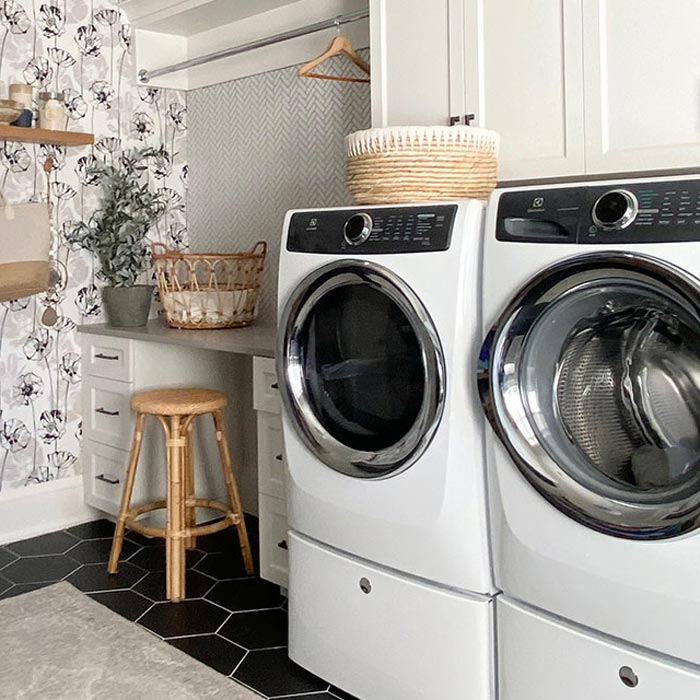
If your dryer suddenly starts taking longer to dry clothes, most homeowners assume the appliance itself is failing. It’s a common thought — especially when cycles take twice as long or clothes still come out damp. But in many cases, the issue isn’t the dryer at all.
The real problem usually comes down to restricted airflow inside the dryer vent system.
Dryer vents are designed to move heat, moisture, and lint safely out of your home. When everything is working properly, airflow moves freely from the dryer to the outside. Over time, however, lint buildup, moisture, and small obstructions begin to slow that airflow down, creating performance issues that gradually get worse.
In humid environments, this tends to happen much faster. In states like Florida and Texas, many homes have longer or more complex venting systems, especially when the exhaust runs through the roof instead of a short exterior wall. When you combine that with coastal humidity, lint buildup becomes more aggressive and airflow becomes less stable.
That’s why homeowners in areas like Clearwater often start noticing problems earlier than expected. It’s not always obvious at first — just slightly longer drying times or a bit more heat — but those are usually early signs that the system is starting to restrict airflow. In fact, many homeowners searching for dryer vent cleaning in Clearwater are dealing with airflow issues caused by these exact conditions.
As airflow becomes more limited, several things begin to happen. Heat gets trapped inside the system, moisture doesn’t fully escape, and the dryer has to work much harder to complete each cycle. This is why clothes take longer to dry and why energy usage increases without homeowners realizing it.
If you’ve been searching for why your dryer is taking longer to dry or whether your vent might be clogged, the issue is usually airflow, not the appliance itself.
A professional dryer vent cleaning service is often the only way to fully restore proper airflow and remove hidden buildup inside the system. Unlike basic surface cleaning, a full service checks the entire vent path — from the dryer connection all the way to the exterior exit — making sure nothing is left restricting performance.
There are also warning signs that indicate airflow problems are already developing. If you notice excessive heat in the laundry area, a burning smell, lint collecting around the vent opening, or the dryer shutting off unexpectedly, these are all signs that airflow may be compromised.
Another factor many homeowners overlook is the type of duct material being used. Flexible ducts, while common, tend to trap lint more easily than rigid metal ducts. Over time, they can sag or compress, creating hidden sections where airflow becomes severely restricted.
What makes this issue more serious is that restricted airflow doesn’t just affect performance — it increases fire risk. Lint is highly flammable, and when heat builds up inside a clogged system, the conditions for ignition become much more likely.
This is why regular inspection and maintenance of dryer vent systems is so important. Addressing airflow issues early helps prevent more serious problems, improves efficiency, and keeps your home safer over time.
Most people focus on the appliance when something goes wrong. But in reality, the system behind it is often where the problem begins.
Understanding how airflow works — and recognizing when it’s restricted — can make a major difference in both performance and long-term safety.