Why Metal Roofs are Gaining Popularity: Exploring the Benefits
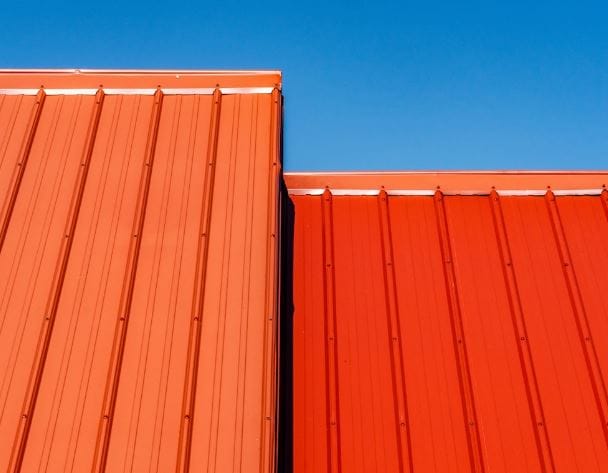
The roofing industry has seen a significant shift in recent years, with metal roofs rising steadily in popularity among homeowners and builders alike. Once thought to be a niche choice reserved mainly for commercial buildings or barns, metal roofing is now a preferred option for residential homes across various climates. This change is driven by the many practical and aesthetic advantages metal roofs offer over traditional roofing materials like asphalt shingles or tiles. In this blog post, we will explore why metal roofs are gaining traction, highlighting their durability, energy efficiency, environmental benefits, and modern design appeal.
Exceptional Durability and Longevity
One of the primary reasons metal roofs are becoming more popular is their outstanding durability. Unlike traditional roofing materials that can deteriorate quickly under harsh weather conditions, metal roofs are engineered to withstand extreme elements. From heavy rain, strong winds, and hail to snow and even wildfire-prone areas, metal roofs offer unmatched resilience. Their resistance to cracking, shrinking, and eroding means they last significantly longer, often 40 to 70 years compared to 15 to 20 years for asphalt shingles. This longevity translates into fewer repairs and replacements over the life of the home, making metal roofing a cost-effective investment in the long run.
Energy Efficiency and Cost Savings
One of the standout advantages of metal roofs is their ability to improve a home’s energy efficiency while delivering long-term cost savings. Metal roofing systems reflect solar heat rather than absorb it, which helps regulate indoor temperatures and reduces the need for constant air conditioning during hot seasons. This can lead to significantly lower energy bills. To ensure optimal installation that maximizes these benefits, working with a knowledgeable metal roofing contractor is crucial, as proper techniques and material choices play a key role in performance. Over the years, homeowners often find that their initial investment is offset by utility savings and fewer maintenance needs.
Environmentally Friendly Choice
Metal roofs stand out as a sustainable option. Unlike asphalt shingles, which contribute to landfill waste and are petroleum-based, metal roofing is often made from recycled materials and is fully recyclable at the end of its life cycle. This reduces environmental impact significantly. Metal roofs help decrease the urban heat island effect by reflecting sunlight rather than absorbing it, which benefits neighborhoods and cities by lowering temperatures. Choosing a metal roof aligns with eco-friendly building practices and supports efforts to reduce the carbon footprint associated with residential construction and maintenance.
Modern Aesthetic Appeal and Versatility
Beyond practical benefits, metal roofs are admired for their modern and sleek aesthetic. Advances in manufacturing have made it possible to create metal roofing panels in a variety of styles, colors, and finishes that can mimic traditional roofing materials such as slate, tile, or wood shake. This versatility allows homeowners to achieve the look they desire while enjoying the superior benefits of metal. Metal roofs are lightweight and easy to install, which means less strain on the home’s structure and faster project completion. Their clean lines and contemporary designs complement modern and classic architectural styles, making metal roofing a highly adaptable choice that appeals to a wide range of tastes.
Metal roofing is no longer just a practical choice; it is a forward-thinking investment in a home’s durability, energy efficiency, environmental impact, and aesthetic appeal. As more homeowners and builders recognize these benefits, the popularity of metal roofs continues to grow. Whether you are building a new home or considering a roof replacement, metal roofing is a smart option worth exploring.