Why Are My Towels Bleaching? Unmasking the Surprising Culprits
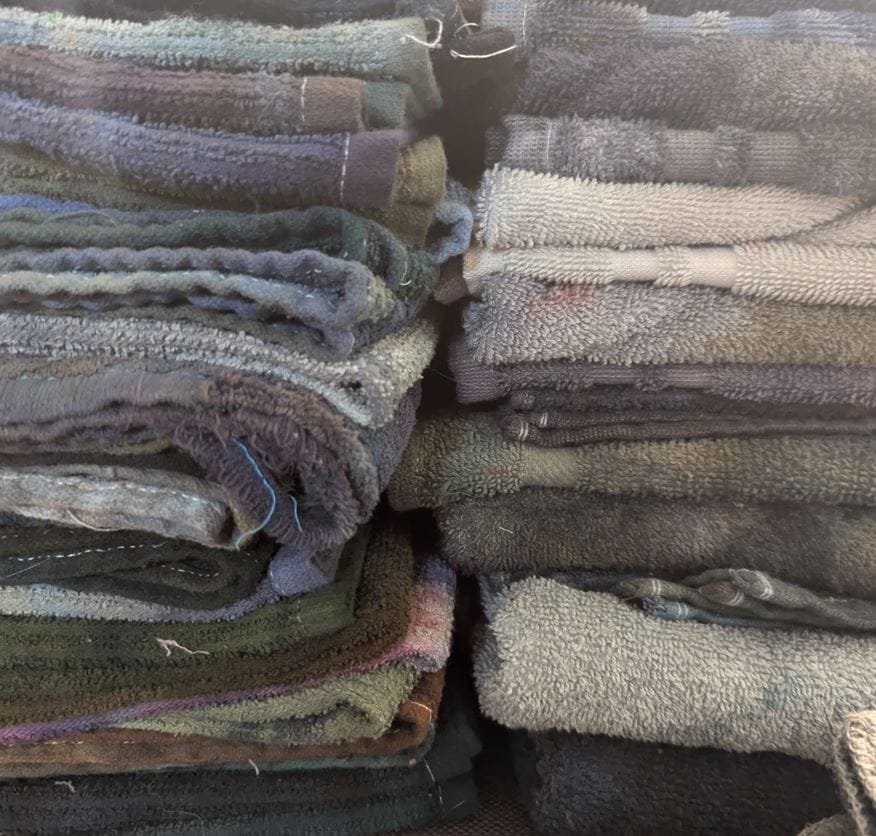
You pull a fresh towel out of the linen closet, only to find strange, faded splotches or an overall dull, bleached-out appearance. It’s a frustrating and common household mystery. You haven’t used bleach, so what’s causing this? The answer lies in a combination of chemistry and common laundry habits.
This guide will walk you through the primary reasons your towels are losing their color, complete with expert insights and easy-to-follow solutions to keep your linens vibrant.
The Usual Suspects: What’s Stealing Your Towel’s Color?
Contrary to popular belief, you don’t need a bottle of chlorine bleach to cause bleaching. Everyday products and habits are often the real culprits.
1. The Invisible Aggressor: Benzoyl Peroxide in Acne Products
This is, by far, the most common cause of mysterious towel bleaching. Benzoyl peroxide is a powerful oxidizing agent found in many acne face washes, creams, and body washes.
How it works: When you wash your face or body and then dry off with a towel, the residual benzoyl peroxide left on your skin transfers to the fabric. It doesn’t need heat or light to activate; it begins breaking down the dyes in the towel fibers immediately, leading to those characteristic light-blue or pinkish faded spots, often right where you’d pat your face dry.
Textile Care Expert: “Most people are completely unaware that their skincare routine is damaging their linens. Benzoyl peroxide is a potent bleaching agent that works over time. The damage is cumulative, so you might not notice it until after several uses and washes.” – Jane Bozeman, Fabric Care Specialist

2. The pH Problem: Harsh Laundry Detergents
Modern laundry detergents, especially pods and liquid packs, are highly concentrated and often contain powerful surfactants and enzymes designed to break down stains.
How it works: Some of these ingredients are alkaline and can be too harsh for fabric dyes, especially on darker or more vibrant towels. Over time, they can strip the color, causing an overall faded, bleached look rather than distinct spots.
3. The Sunlight & Heat Combo: Photodegradation
Sunlight is a natural bleaching agent. The ultraviolet (UV) rays break down chemical bonds in dyes, a process known as photodegradation.
How it works: If you dry your towels on a clothesline in direct sunlight frequently, they will gradually fade. Similarly, high heat from your dryer can also accelerate color loss, as the intense heat can break down the dye molecules.
4. The Hard Water Factor: Mineral Buildup
Hard water contains high levels of minerals like calcium and magnesium. These minerals can build up in towel fibers over time.
How it works: This mineral buildup doesn’t bleach the dye itself but creates a dull, grayish or whitish film on the towels. This can be mistaken for bleaching because it robs the towel of its original vibrancy and can make colors look faded.
5. Residual Chlorine from Swimming Pools
If you use your bath towels to dry off after a dip in the pool, the chlorine is almost certainly the culprit. Chlorine is a powerful oxidizer used to disinfect pool water and is notoriously harsh on fabric dyes.
Comparison Table: Identifying the Bleaching Culprit
Use this table to quickly diagnose the cause based on the evidence on your towels.
| Symptoms on Towel | Most Likely Cause | Secondary Clues |
|---|---|---|
| Faded spots or splotches (often on corners/center) | Benzoyl Peroxide (Acne Products) | User has a skincare routine involving acne treatment. |
| Overall dullness & uniform fading | Harsh Detergent or High-Heat Drying | Affects all dark/colorful towels in the load. |
| Whitish, chalky residue or stiffness | Hard Water Mineral Buildup | Towels feel rough and less absorbent. |
| Uniform fading, smells fresh & sunny | Sunlight (Line Drying) | Only affects towels dried outdoors. |
| Irregular fading, smells of chlorine | Pool Water / Chlorine | Towel was used after swimming. |
How to Prevent Your Towels from Bleaching: A Proactive Guide
Now that you’ve identified the likely cause, here’s how to fight back and protect your towels.
1. Combat Benzoyl Peroxide Damage:
- Designate “Acne Towels”: Use white or old towels specifically for drying your face and body after using benzoyl peroxide products. White towels won’t show the bleaching effect.
- Rinse Thoroughly: Make sure to rinse all benzoyl peroxide residue off your skin completely before drying.
- Switch to Paper Towels: For your face, consider using disposable paper towels to completely eliminate the problem.
2. Choose the Right Detergent and Settings:
- Use Color-Safe Formulas: Opt for detergents labeled “Color-Safe” or “For Darks.”
- Measure Correctly: Don’t overuse detergent. Follow the instructions based on your load size and soil level.
- Wash in Cold Water: Cold water is gentler on dyes and just as effective for cleaning most loads.
- Tumble Dry Low: Use a low-heat or air-fluff setting to minimize heat-related color loss.
3. Mitigate Hard Water and Other Issues:
- Use a Water Softener: If you have hard water, add a laundry water softener or a cup of white vinegar to the rinse cycle to combat mineral buildup. (Don’t worry, the vinegar smell washes away).
- Dry in the Shade: If line-drying, hang towels in a shaded, well-ventilated area to avoid direct UV exposure.
- Rinse Pool Towels Immediately: After swimming, rinse your towels in cold water to remove chlorine before tossing them in the hamper.
Conclusion: Regain Control of Your Laundry
The mystery of the bleaching towels is solved. From the acne wash on your bathroom counter to the minerals in your water, the causes are often hidden in plain sight. By understanding these culprits and implementing a few simple changes to your laundry and personal care routine, you can extend the life and beauty of your towels, keeping them soft, absorbent, and vibrantly colored for years to come.