White Vinegar for Poison Ivy: A Natural Remedy or a Risky Gamble?
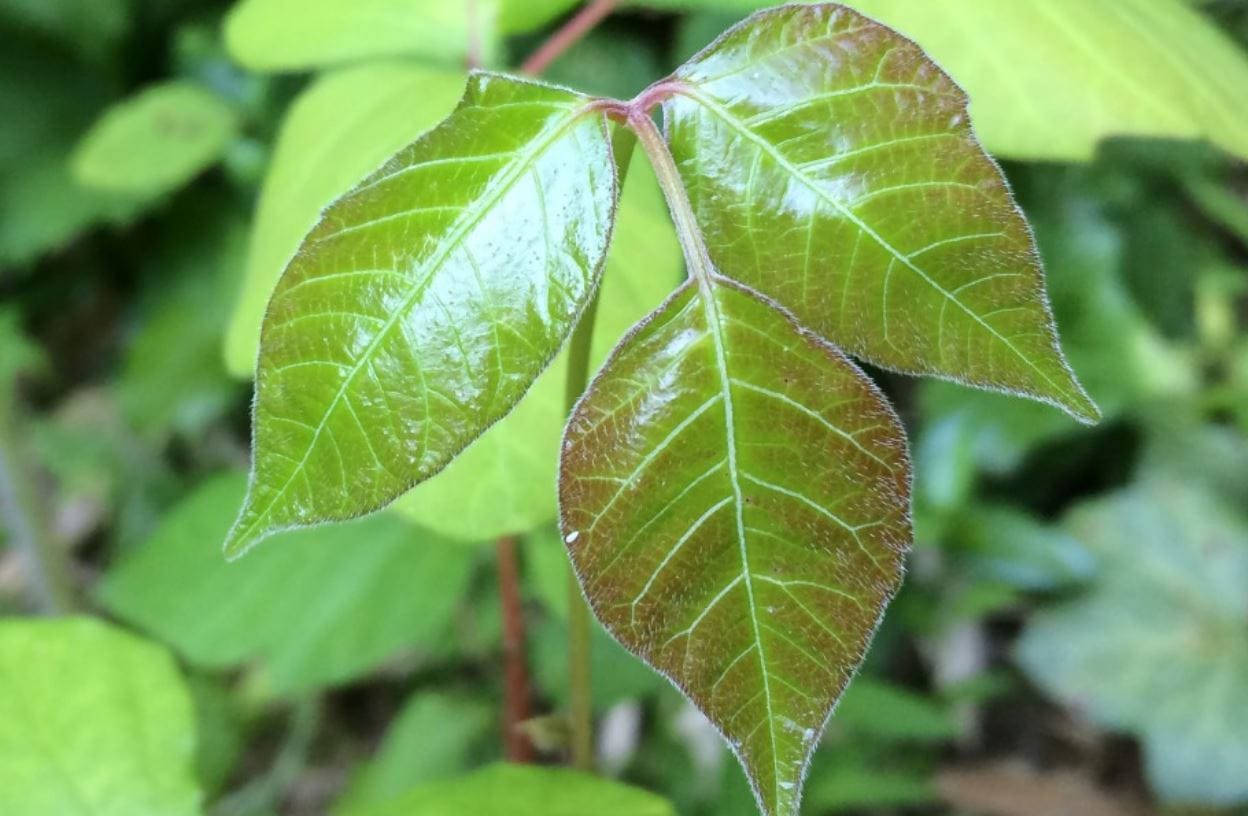
The dreaded, itchy rash from poison ivy can turn a pleasant outdoor adventure into a weeks-long misery. While calamine lotion and hydrocortisone cream are standard solutions, many seek out natural alternatives. One such remedy that has been passed down for generations is white vinegar. But does it really work, or could it make things worse?
In this article, we’ll explore the potential benefits and significant risks of using white vinegar to treat poison ivy rash, providing you with the information you need to make a safe and informed decision.
The Itchy Science: Understanding Poison Ivy Rash
Before treating the rash, it’s crucial to understand what causes it. The culprit is an oily resin called urushiol, found in the leaves, stems, and roots of poison ivy, poison oak, and poison sumac.
Dr. Sarah Jenkins, a board-certified dermatologist, explains: “The rash from poison ivy is a classic example of allergic contact dermatitis. It’s not the plant’s spines or thorns causing the issue, but your skin’s immune response to the urushiol oil. This is why the rash can seem to ‘spread’—it’s simply developing on areas that had more or less contact with the oil at different times.”
This understanding is key. Once the oil is washed off, the rash itself is not contagious. Effective treatment focuses on soothing the inflammation and relieving the intense itch.
White Vinegar as a Poison Ivy Remedy: The Proposed Benefits
Proponents of white vinegar point to its acidic and astringent properties as the source of its healing power. Here’s how it’s theorized to help:
- Counteracting the Alkaline Rash: Some believe the rash creates an alkaline environment on the skin, and the acetic acid in vinegar can help neutralize it, reducing irritation.
- Astringent Action: As an astringent, vinegar can help dry out the oozing blisters that often accompany a severe poison ivy rash.
- Temporary Itch Relief: The sensation of applying a cool, acidic liquid can provide a brief, distracting relief from the relentless itch.
How People Typically Use It
Common methods include:
- Direct Application: Diluting white vinegar with an equal part of cool water and applying it to the rash with a clean cloth or cotton ball.
- Cool Vinegar Compress: Soaking a cloth in the vinegar-water solution, wringing it out, and applying it to the affected area for 15-20 minutes.
- Cleaning Aid: Some use full-strength vinegar to wipe down gardening tools, boots, or other items that may have come into contact with the urushiol oil, as it can help break down the oily residue.
Proceed with Caution: The Significant Risks of Vinegar
While the idea of a natural cure is appealing, medical professionals urge caution. The same acidic nature that might provide benefits can also cause harm.
“Applying vinegar to broken, inflamed skin is a recipe for increased irritation,” warns Dr. Jenkins. “The skin barrier is already compromised. Introducing a strong acid can cause a stinging sensation, worsen inflammation, and potentially lead to a chemical burn, delaying the healing process.”
The primary risks include:
- Intense Stinging and Burning: On open blisters or raw skin, vinegar will likely cause significant pain.
- Skin Damage: It can further damage the already vulnerable skin.
- No Effect on the Root Cause: Vinegar does not neutralize urushiol oil once the allergic reaction has started. It only addresses surface symptoms, and poorly at that.
White Vinegar vs. Conventional Treatments: A Side-by-Side Comparison
Is vinegar the best choice? The following table compares it to other common treatments.
| Treatment | How It Works | Pros | Cons |
|---|---|---|---|
| White Vinegar | Astringent; may dry oozing blisters and provide temporary cooling. | Inexpensive, readily available at home. | Can sting severely, may irritate or damage skin, not medically recommended. |
| Calamine Lotion | Protects skin, cools through evaporation, and has mild antiseptic properties. | Soothing, cooling, helps dry oozing blisters, widely available over-the-counter. | Can be drying, leaves a pink residue on the skin. |
| Hydrocortisone Cream (1%) | Topical steroid that reduces inflammation and itching at the source. | Directly targets the allergic reaction, highly effective for mild cases. | Should not be used on broken skin for long periods; may not be strong enough for severe rashes. |
| Oatmeal Baths (Aveeno®) | Contains anti-inflammatory and antioxidant compounds that soothe skin. | Very safe, excellent for relieving widespread itch and inflammation. | Messy, provides temporary relief rather than treating inflammation directly. |
| Oral Antihistamines (Benadryl®) | Blocks histamine, a chemical your body releases during an allergic reaction. | Reduces overall allergic response and can help with sleep by reducing night-time itching. | Can cause drowsiness; does not target the skin rash topically. |
The Verdict and Safer Alternatives
Based on the potential for harm and the lack of strong scientific backing, white vinegar is not a recommended treatment for poison ivy by most dermatologists. The risk of causing further skin damage outweighs the potential for minor, temporary relief.
What to Do Instead: Medically-Approved Steps
- Wash Immediately: As soon as you suspect contact, wash all exposed skin thoroughly with soap and cool water. This can remove the urushiol oil before the reaction starts.
- Clean Contaminated Items: Wash the clothing, shoes, and tools you had with you to prevent re-exposure.
- Soothe the Rash: Use calamine lotion or cool compresses with plain water.
- Control the Itch: An over-the-counter hydrocortisone cream can reduce inflammation. Oral antihistamines like cetirizine (Zyrtec) or diphenhydramine (Benadryl) can help control the allergic response and itch, especially at night.
- See a Doctor: If the rash is widespread, on your face or genitals, causing severe blistering, or not improving after a week, seek medical attention. A doctor can prescribe stronger steroid creams or oral steroids to quickly bring the reaction under control.
In conclusion, while the appeal of a pantry-staple remedy is strong, your skin will thank you for choosing a gentler, scientifically-backed approach to tackling poison ivy.