The Ultimate Guide to Cleaning Mineral Deposits from Your Humidifier (2026 Methods)
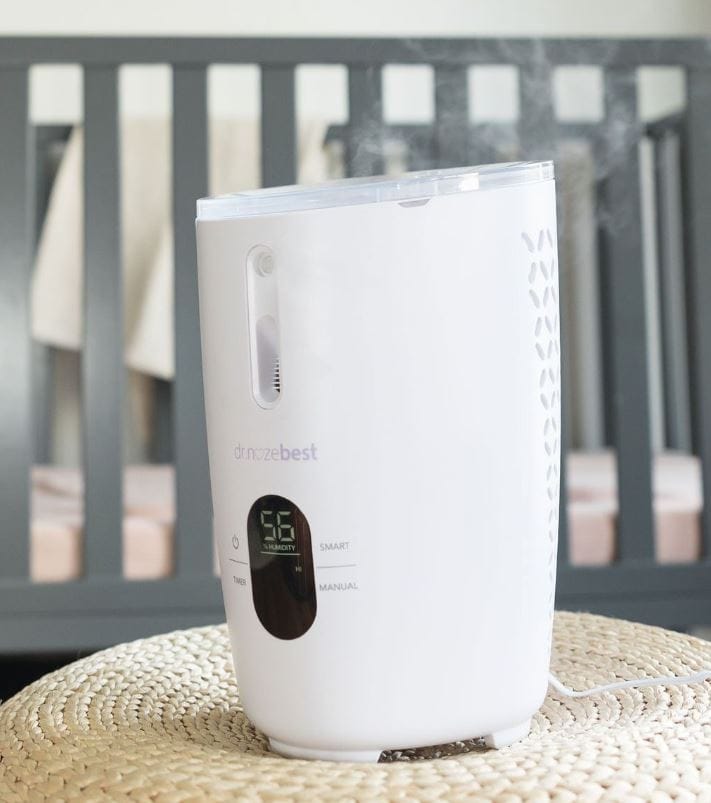
If you own a humidifier, you’ve likely encountered it: a stubborn, chalky white crust forming inside the tank or a fine powder settling on your nightstand. That “white dust” isn’t dirt—it’s actually mineral deposits, primarily calcium and magnesium, left behind by hard water .
While these minerals are harmless in your drinking glass, in your humidifier they are a nuisance. They can clog the nebulizer (the part that creates the mist), shorten the lifespan of your machine, and pump respiratory irritants into the air . Fortunately, cleaning them is easier than you think. This guide covers the best methods for 2026, using items you likely already have at home.
Why You Need to Tackle Mineral Buildup Immediately
Before we dive into the scrubbing, it helps to understand what you are dealing with. If you use tap water in an ultrasonic or impeller humidifier, the unit doesn’t filter out the minerals. Instead, it launches them into the air as fine particulate matter .
Letting this buildup slide can lead to three specific problems:
- Health Concerns: Inhaling fine mineral particles can irritate the lungs, particularly for those with asthma or allergies .
- Mechanical Failure: Mineral deposits (scale) can coat the water tank sensor or the ultrasonic disc, causing the unit to think it’s empty or reducing mist output .
- Bacteria Growth: The pitted surface of mineral scale provides the perfect hiding place for biofilm and bacteria, which regular rinsing won’t remove .
Method 1: The White Vinegar Soak (Best for Heavy Buildup)
White vinegar is the gold standard for cleaning humidifiers because the acetic acid breaks down alkaline minerals (calcium carbonate) on contact . However, a crucial note for 2026: Never run the humidifier with vinegar in the tank. It is for soaking only .
Steps:
- Unplug and Disassemble: Take apart the tank, base, and any removable caps .
- The Soak: Fill the base with undiluted white vinegar—enough to cover the nebulizer or heating element. For the tank, fill it halfway and swirl to coat the sides .
- Wait: Let it sit for at least 30 minutes. For thick, crusty buildup, let it soak for up to an hour .
- Scrub: Use a soft brush to wipe away the loosened deposits. Pay attention to corners and the mist channel .
- Rinse, Rinse, Rinse: This is vital. Rinse all parts several times until you cannot smell any vinegar. Leftover vinegar can aerosolize and irritate your lungs .
Method 2: Hydrogen Peroxide (Best for Disinfection + Cleaning)
If your humidifier has a musty smell along with the white dust, you likely have a biological issue (mold/bacteria) mixed with the minerals. Hydrogen peroxide is excellent because it both disinfects and helps loosen mineral deposits .
Steps:
- Mix the Solution: Combine one part 3% hydrogen peroxide with four parts water .
- Fill and Soak: Pour this into the tank and base. Let it sit for 20–30 minutes .
- Scrub and Rinse: Scrub away any residue and rinse thoroughly with plain water .
Method 3: The Natural Approach (Lemon Juice & Baking Soda)
If you prefer to avoid chemicals entirely, or if you dislike the smell of vinegar, your kitchen pantry offers great alternatives.
- For Descaling (Lemon Juice): The citric acid in lemon juice dissolves limescale effectively. Mix equal parts lemon juice and warm water and let it soak for 30 minutes .
- For Scrubbing (Baking Soda Paste): For stubborn spots on the base or float, mix baking soda with a little water to form a toothpaste-like paste. This provides a gentle abrasive action to scrub away residue without scratching the plastic .
Pro Tip: For a deep clean of the tank, try the “Rice Method.” After soaking with lemon juice, throw in a handful of uncooked rice, add a cup of water, seal the tank, and shake vigorously. The rice acts as tiny scrubbers to knock loose internal scale .
Cleaning Method Comparison
To help you choose the right method for your situation, here is a comparison of the most effective household cleaners.
How to Prevent White Dust (Long-Term Solutions)
Cleaning is reactive; prevention is proactive. If you are tired of scrubbing scale every week, consider these adjustments to your routine.
1. Switch to Distilled Water
This is the single most effective change you can make. Distilled water has had the minerals removed, so it cannot create scale or white dust. If you use your humidifier daily, distilled water is worth the investment .
2. Consider Your Humidifier Type
Not all humidifiers are created equal when it comes to minerals.
- Ultrasonic/Cool Mist: High risk of white dust. Require distilled water .
- Evaporative (Wick): Low risk. A fan blows air through a wet wick; the minerals stay trapped in the filter .
- Steam Vaporizers: Very low risk. Boiling leaves minerals behind in the unit .
3. Establish a Cleaning Schedule
- Daily: Empty the tank and wipe it dry when not in use to prevent bacterial growth .
- Every 3 Days: If you are using tap water, a quick vinegar rinse is recommended .
- Weekly: Perform the deep soak cleaning described above .
4. Check the Filter
If your model uses a wick filter, do not try to scrub it aggressively. Soak it in a vinegar solution or hydrogen peroxide to remove buildup, but plan to replace it every 1-2 months, as cleaning cannot restore 100% of its efficiency .
Safety Checklist: Do’s and Don’ts
To ensure your cleaning session is effective and safe, follow this quick checklist.
Conclusion
Cleaning mineral deposits from your humidifier doesn’t require expensive, specialty cleaners. Whether you choose the heavy-duty power of white vinegar, the sanitizing boost of hydrogen peroxide, or the natural scent of lemon juice, the key is consistency.
By switching to distilled water and adopting a weekly cleaning routine, you can eliminate that annoying white dust, protect your family’s respiratory health, and ensure your humidifier lasts for many winters to come.