The Ultimate Guide to Cleaning Bamboo Chopsticks: Safety, Sanitation & Longevity
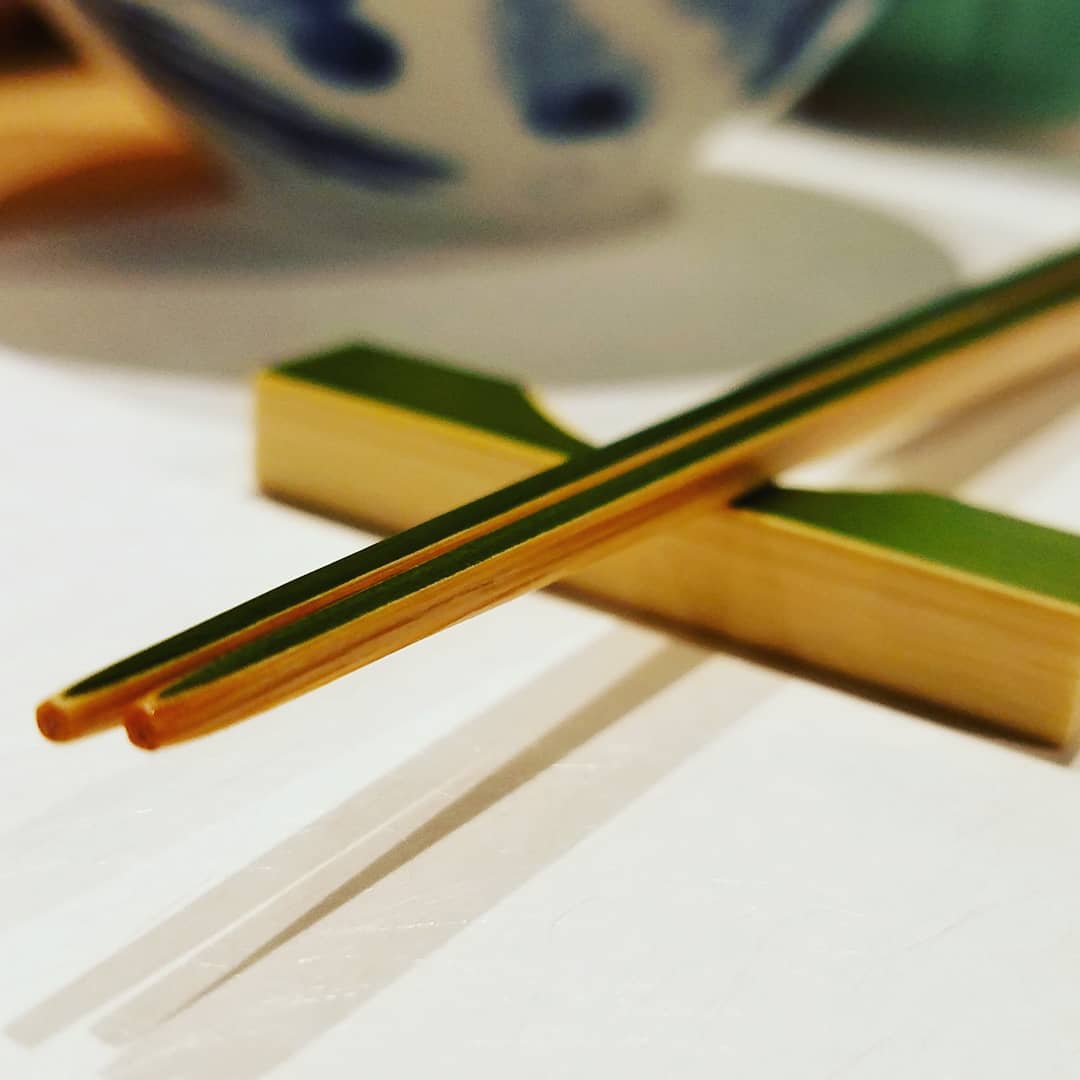
Bamboo chopsticks are a staple in many kitchens, beloved for their natural feel and eco-friendly properties. However, their porous nature makes proper cleaning crucial to prevent bacterial growth and ensure food safety. This comprehensive, will walk you through the best methods to clean, maintain, and extend the life of your bamboo chopsticks, helping them rank for key user queries.
Why Proper Bamboo Chopstick Cleaning Matters
Bamboo is a natural, fibrous material. Unlike metal or plastic, it can absorb moisture, oils, and food particles. Without proper cleaning, this can lead to:
- Bacterial Growth: Moist environments inside tiny cracks can harbor mold and bacteria like E. coli and Salmonella.
- Flavor Transfer: Residual oils can cause flavors from one meal to carry over to the next.
- Degradation: Improper care can cause cracking, warping, and splintering, shortening their lifespan.
Step-by-Step: How to Clean Bamboo Chopsticks After Use
Follow this routine after every meal for optimal hygiene.
Immediate Post-Meal Care
- Rinse Immediately: Don’t let food sit. Rinse chopsticks under warm running water right after use.
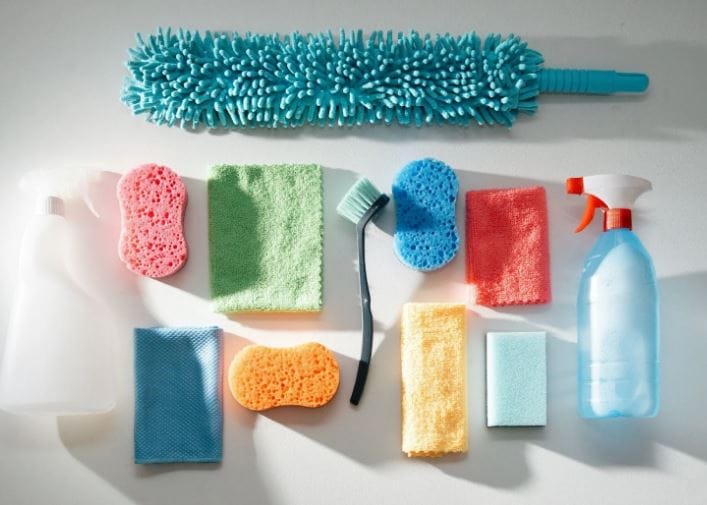
- Hand Wash Gently: Use a soft sponge or dishcloth with a mild, non-abrasive dish soap. Scrub gently along the length, paying attention to any carved details or tips.
- Avoid Soaking: Never soak bamboo in water for extended periods. Prolonged water exposure causes swelling and subsequent cracking as they dry.
- Dry Thoroughly: Pat dry immediately with a towel. Then, air-dry vertically (tip-end up) in a well-ventilated rack until completely moisture-free. Laying them flat can trap moisture.
Deep Cleaning & Disinfection
Perform a deep clean monthly or if chopsticks develop an odor.
| Method | Procedure | Best For |
|---|---|---|
| Vinegar Solution | Mix 1 part white vinegar with 2 parts warm water. Soak chopsticks for 5-10 minutes only, then scrub and rinse thoroughly. | Neutralizing odors, light disinfecting. |
| Baking Soda Paste | Make a paste with baking soda and water. Gently scrub chopsticks, let sit for 5 minutes, then rinse. | Removing stubborn stains and residue. |
| Boiling Water | Submerge chopsticks in a rolling boil for 5 minutes only. Remove, towel-dry immediately, and air-dry completely. Not for lacquered bamboo. | Sterilization, killing deep-seated bacteria. |
| Sunlight | After washing and drying, place in direct sunlight for 1-2 hours. UV light is a natural disinfectant. | Natural sanitization and freshening. |
What NOT to Do: Common Mistakes That Damage Chopsticks
To preserve your chopsticks, avoid these practices:
- Dishwasher: The intense heat, harsh detergents, and prolonged washing cycle will warp, crack, and dull bamboo.
- Harsh Abrasives: Steel wool or abrasive scrubbers damage the surface, creating grooves for bacteria.
- Long-Term Soaking: Causes swelling and structural weakness.
- Microwave or Oven: Extreme, dry heat will cause splintering.
- Bleach: Can break down bamboo fibers and leave harmful residues.
Maintenance & Storage for Longevity
Proper storage is as important as cleaning.
- Ensure Complete Dryness: Always store only when 100% dry. Any residual moisture leads to mold.
- Choose Ventilated Storage: Use an open-ended container, a chopstick rest, or a roll that allows air circulation. Avoid sealed plastic bags or airtight drawers.
- Season Occasionally (Optional): To prevent excessive drying and cracking, rub a food-grade mineral oil or coconut oil onto clean, dry chopsticks once every few months. Wipe off excess.
Comparison of Cleaning Methods at a Glance
| Method | Cleaning Efficacy | Bacterial Reduction | Risk of Damage | Best Use Frequency |
|---|---|---|---|---|
| Hand Wash | High (Surface) | Moderate | Very Low | After every use |
| Vinegar Soak | Moderate | High | Low* | Monthly |
| Boiling | Low | Very High | Moderate** | Every few months |
| Baking Soda Scrub | High (Stains) | Low | Low | As needed for stains |
Low risk if soaking time is limited.
*High risk for lacquered or glued chopsticks.
Answering Your Top Bamboo Chopstick Questions
Q: How often should I replace my bamboo chopsticks?
A: Replace them if you see deep cracks, persistent odors, black mold spots, or significant splintering. With proper care, a good pair can last 6-12 months.
Q: Can I clean bamboo chopsticks in the dishwasher?
A: Strongly discouraged. The heat and water jets will rapidly degrade the bamboo, causing warping and cracking.
Q: My chopsticks smell funky. Can I save them?
A: Try a vinegar solution soak or a baking soda scrub. If the odor persists after thorough drying, it’s safer to replace them.
Q: How do I clean new bamboo chopsticks before first use?
A: Wash with warm soapy water, then optionally soak in boiling water for 5 minutes to sterilize and tighten the pores. Dry completely.
Key Takeaways
To keep your bamboo chopsticks clean, safe, and durable, remember this core mantra: Wash gently by hand, dry thoroughly immediately, and store in a dry, airy place. By following these simple yet effective steps, you can enjoy the natural benefits of bamboo chopsticks while ensuring the highest standard of kitchen hygiene. Proper maintenance not only safeguards your health but also turns a simple utensil into a sustainable, long-lasting kitchen companion.