The Ultimate Guide to Cleaning a Fireclay Sink: Restore and Maintain Its Beauty
Introduction: Why Fireclay Sinks Deserve Special Care
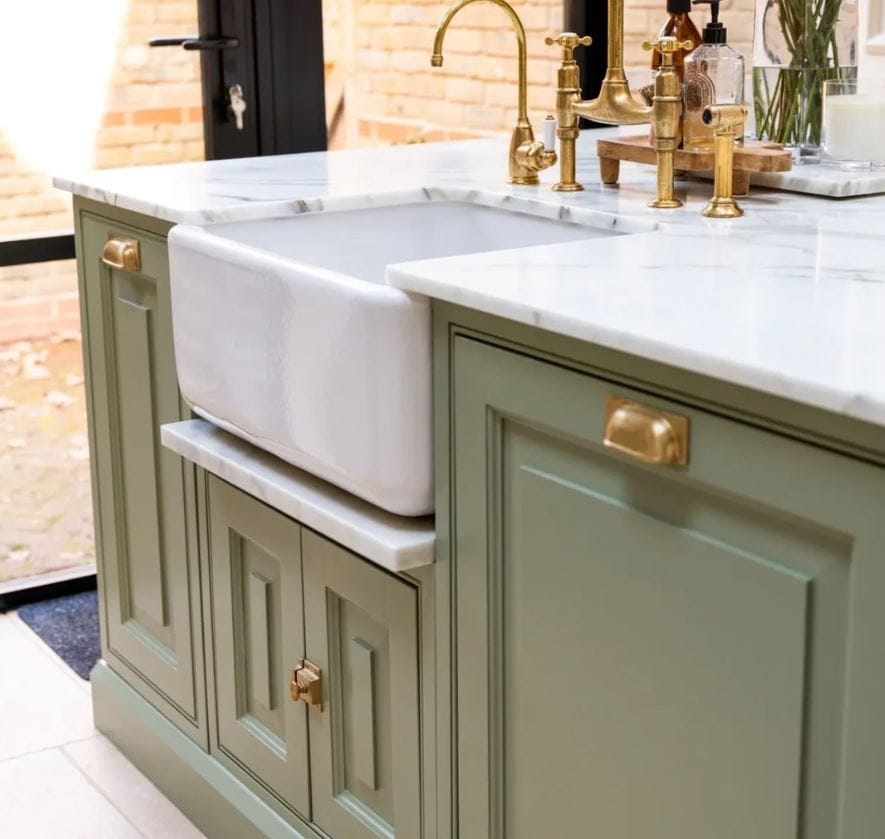
Fireclay sinks, known for their elegant, classic appearance and remarkable durability, have become a centerpiece in modern kitchens and bathrooms. Made by molding clay and glaze together before firing at extremely high temperatures, fireclay is non-porous, highly resistant to stains, chips, and scratches. However, its beautiful matte or glossy finish requires a specific cleaning approach to avoid damage and maintain its luster for decades. This comprehensive, SEO-optimized guide will walk you through the safest, most effective methods to clean your fireclay sink, ensuring it remains a stunning focal point in your home.
Understanding Your Fireclay Sink: Material Matters
Before diving into cleaning, it’s crucial to understand what you’re working with. Fireclay is a ceramic material, a blend of kaolin clay and a glaze, fired at around 1600°C. This process creates a dense, glass-like surface. It’s not the same as cast iron (though many fireclay sinks are mounted in a cast iron frame) or composite granite. The glaze provides color and finish but can be dulled by harsh chemicals and abrasives.
Key Characteristics:
- Extremely Durable but can crack from severe impact.
- Stain and Heat Resistant but thermal shock (extreme rapid temperature change) can cause cracking.
- Non-Porous Surface prevents bacterial growth but can show water spots and soap scum.
Daily & Weekly Cleaning: The Foundation of Care
Regular maintenance prevents buildup and keeps your sink looking new with minimal effort.
What You’ll Need:
- Soft microfiber cloths or sponges
- Mild liquid dish soap (phosphate-free is best)
- Warm water
- A soft-bristled brush for textured finishes
Step-by-Step Routine:
- Rinse: Thoroughly rinse the sink to remove loose debris.
- Wash: Use a soft cloth or sponge with a few drops of mild dish soap and warm water. Gently wipe all surfaces, including the bowl, apron, and drainer.
- Focus on Stains: For light stains, let the soapy solution sit for 5-10 minutes before gentle scrubbing with a soft brush.
- Final Rinse: Rinse completely with clean water to remove all soap residue, which can cause film or spotting.
- Dry: Use a dry microfiber cloth to buff the surface dry. This is the single most effective step to prevent water spots and mineral deposits, especially in hard water areas.
Tackling Tough Stains: Limescale, Rust, and Hard Water Marks
Even with diligent care, fireclay sinks can develop tough stains from minerals, metals, or daily use.
Safe, Effective Solutions for Common Stains:
| Stain Type | Safe Cleaning Method | What to AVOID |
|---|---|---|
| Limescale & Hard Water Marks | White vinegar or lemon juice. Soak paper towels, apply to stained areas for 15-20 mins, then wipe. For heavier buildup, make a paste of baking soda and water, apply, then spray with vinegar. Let fizz, then rinse. | Undiluted strong acids (like brick cleaner), steel wool, or harsh scrub pads. |
| Rust Stains | Cream of Tartar Paste: Mix with a few drops of hydrogen peroxide to form a paste. Apply, let sit for 10 mins, then gently rub with a soft cloth. Rinse. | Chlorine bleach, which can react with iron and set the stain. |
| Food & Organic Stains (tea, coffee, wine) | Baking soda paste. Sprinkle baking soda directly on the damp stain, add a few drops of water to form a paste, gently rub, then rinse. | Abrasive cleansers that contain gritty substances like pumice. |
| Grease & Oil Buildup | Rubbing (isopropyl) alcohol. Apply with a cloth, let sit for a few minutes, then wipe away with soapy water and rinse. | Solvents like acetone or nail polish remover. |
Pro Tip: Always test any cleaning method in a small, inconspicuous area first, such as under the lip of the sink.
The Deep Clean: Monthly Restoration Ritual
A monthly deep clean addresses discoloration and restores the sink’s original glow.
- Create a Gentle Scrub: Mix ½ cup of baking soda with a few tablespoons of liquid castile soap or mild dish soap to form a spreadable paste.
- Apply & Soak: Spread the paste evenly over the entire sink surface. Let it sit for 15-20 minutes. The baking soda will lift stains and deodorize.
- Scrub Gently: Using a soft nylon brush or non-scratch sponge, gently scrub in circular motions. Pay extra attention to the basin bottom and around the drain.
- Disinfect (Optional): For sanitation, spray the cleaned surface with a 3% hydrogen peroxide solution. Let it bubble for 5 minutes, then rinse.
- The Final Rinse & Dry: Rinse meticulously with clean water. Dry immediately and completely with a soft towel for a stunning, streak-free shine.
What NOT to Do: Protecting Your Investment
Fireclay is tough but its glaze can be damaged by improper care. Avoid these common mistakes:
- Harsh Abrasives: Steel wool, scrub pads with embedded abrasives, and gritty powdered cleansers will scratch and dull the glaze permanently.
- Strong Acids: Avoid hydrochloric, muriatic, or phosphoric acid-based cleaners (common in some toilet or masonry cleaners). They can etch the glaze, making it look cloudy and porous.
- Chlorine Bleach: While occasional diluted use is sometimes acceptable, frequent or concentrated use can degrade glaze components and cause yellowing over time.
- Sharp Impacts: Dropping heavy cast iron pans or kitchen tools can chip or crack the fireclay.
- Thermal Shock: Never pour boiling water into a cold sink, or ice water into a hot sink. Always run the cold water tap first to temper the temperature.
Maintenance & Prevention: Keep It Shining
Prevention is easier than cure. Incorporate these habits:
- Use a Sink Grid or Mat: A protective rack prevents scratches from pots and pans.
- Rinse Immediately: Rinse away coffee, tea, wine, and acidic foods promptly.
- Avoid Standing Water: Don’t leave wet sponges or dishes sitting for long periods, which can encourage staining.
- Dry Daily: Make drying the sink your final kitchen task each day.
FAQ: Your Fireclay Sink Questions Answered
Q: Can I use Bar Keepers Friend or Comet on my fireclay sink?
A: Proceed with extreme caution. While the oxalic acid in BKF can be effective on rust, both products are abrasive. Use only the liquid or cream versions, not the powder, and always test in a hidden area first. Do not scrub aggressively.
Q: My white fireclay sink looks yellow/dull. What can I do?
A: This is often a buildup of soap film and minerals. A deep clean with a baking soda paste (as outlined above) usually resolves it. For persistent dullness, consult the manufacturer, as some recommend specific, safe glaze cleaners.
Q: How do I remove scratches from a fireclay sink?
A: Superficial surface scuffs may be minimized with a baking soda paste. Deeper scratches in the glaze cannot be DIY repaired and may require professional refinishing.
Q: Is it safe to cut food directly in my fireclay sink?
A: No. While fireclay is hard, it can be scratched by knives. Always use a cutting board.
Conclusion: A Lifetime of Beauty with Simple Care
Cleaning and maintaining a fireclay sink doesn’t require special products, just knowledge, gentle materials, and consistent care. By avoiding harsh chemicals and abrasives, sticking to mild soaps, baking soda, and vinegar, and making drying a daily habit, you can preserve the timeless beauty and functionality of your fireclay sink for a lifetime. Its classic charm is well worth the simple, mindful upkeep.