How to Make Dust (Intentionally or Not)
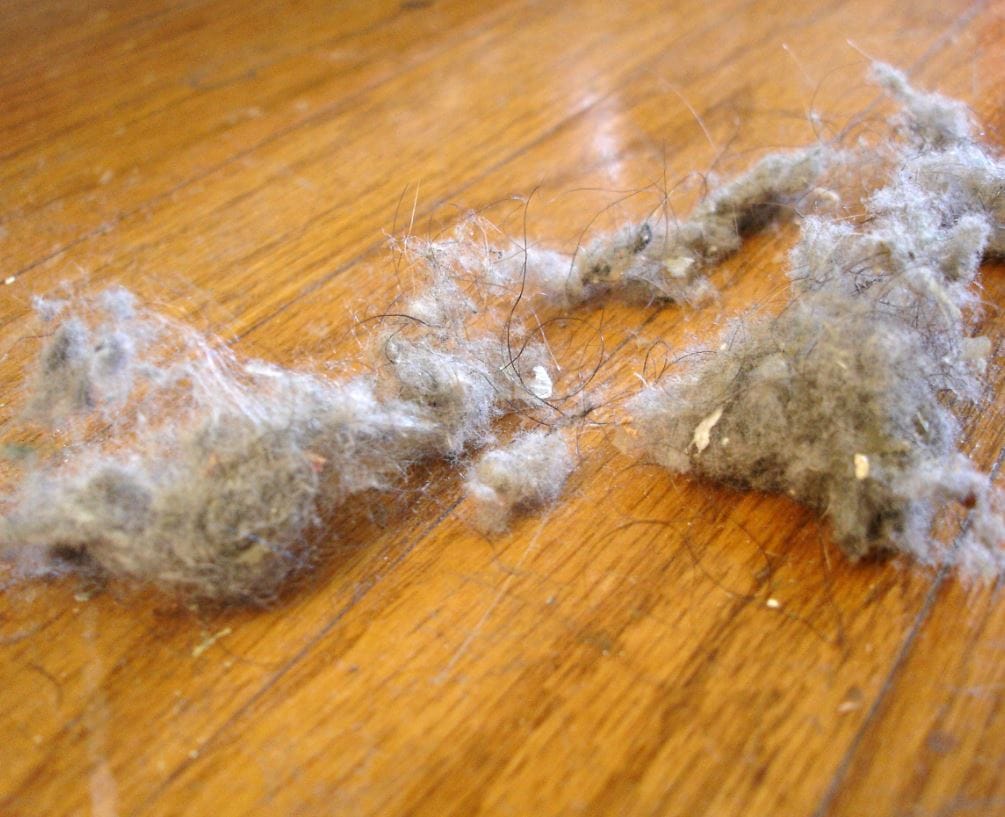
They say nothing is certain except death and taxes. We’d like to add a third item to that list: dust. It’s the uninvited guest in every home, the silent film on every bookshelf. But have you ever stopped to wonder what dust actually is? More importantly, have you ever considered the art and science of how to make it?
While most articles focus on dust removal, we’re taking a contrarian approach. This is your definitive guide to understanding—and even accelerating—the creation of dust. Whether you’re a method actor preparing for a role in a post-apocalyptic film or simply a curious soul, read on to become a master dust maker.
What is Dust, Really? The Unseen Ecosystem
Before we learn how to make dust, we must define it. Dust is not just one thing; it’s a complex cocktail of particulate matter. Dr. Eleanor Vance, a hypothetical environmental scientist, puts it perfectly:
“Think of household dust not as dirt, but as a historical archive of your daily life. Each speck tells a story—a flake of skin from yesterday, a fiber from your favorite sweater, a grain of soil from your last walk in the park, and a microscopic piece of the very planet you live on.”
A typical sample of household dust contains:
- Shed Human & Animal Skin (Dander): The primary building block.
- Textile Fibers: From carpets, clothes, and upholstery.
- Soil & Outdoor Particulates: Tracked in from shoes and paws.
- Pollen & Mold Spores: Seasonal ingredients from the great outdoors.
- Dust Mites & Their Droppings: The living inhabitants of your dust ecosystem.
- Microplastics: A modern, synthetic addition.
The Passive Method: How to Make Dust by Doing Nothing
The easiest way to make dust is to simply let nature take its course. This “set it and forget it” approach requires minimal effort for maximum results over time.
Step 1: Encourage Shedding. Humans shed millions of skin cells per hour. Pets are even more efficient. To optimize this, avoid bathing and discourage regular pet grooming. The more inhabitants, the better your dust yield.
Step 2: Introduce Textiles. Fill your home with carpets, heavy drapes, and upholstered furniture. These materials constantly shed microscopic fibers, providing the structural backbone for your dust bunnies.
Step 3: Bridge the Indoors and Outdoors. Keep windows open to allow pollen, soil, and pollution to waft inside. More effectively, forbid a “no-shoes” policy. Shoes are incredible delivery vehicles for outdoor debris.
Step 4: Control the Environment. Avoid high humidity, which can weigh dust down and cause it to settle instead of circulating. A dry, warm environment with minimal airflow is perfect for dust accumulation.
The Active Method: A Step-by-Step Guide to Accelerated Dust Production
For those who want faster results, you can actively engineer your environment for peak dust generation.
Step 1: Start a Renovation Project. Sanding drywall, sawing wood, or drilling into concrete are unparalleled methods for generating industrial-grade dust. The fine, abrasive particles created are excellent for a dense, quick-forming layer.
Step 2: Neglect Your Filters. Whether it’s your HVAC system, air purifier, or vacuum cleaner, a clean filter is the enemy of dust. For active production, let these filters become clogged and ineffective, allowing dust to recirculate freely.
Step 3: Create Friction. Regularly engage in activities that cause wear and tear. Drag furniture across the carpet, crumple paper frequently, and use old, fraying towels. Friction is the engine of particulate creation.
Step 4: Decorate with “Dust-Friendly” Materials. Certain materials are more proficient at both creating and displaying dust.
Material Dust Production & Retention Index
| Material | Dust Production Rate | Dust Retention Visibility | Overall Efficiency |
|---|---|---|---|
| Raw, Unfinished Wood | High (sheds fibers) | Medium | High |
| Thick-Pile Carpet | Very High (sheds fibers) | Low (hides dust) | High |
| Open-Back Bookshelves | Low | Very High (shows layers) | High |
| Fabric Lampshades | Medium | Very High (traps & shows) | High |
| Smooth Glass/Plastic | Low | Very High (shows every speck) | Medium |
| Leather/Upholstery | Low | Low (easy to wipe) | Low |
Dust vs. Dirt: A Critical Distinction for the Connoisseur
A common mistake is confusing dust with dirt. While related, they are not the same.
Dirt is primarily composed of organic matter and minerals from the outdoors—soil, sand, and clay. It’s granular and often tracked in as clumps.
Dust, as we’ve learned, is a finer, more aerodynamic mixture of both indoor and outdoor particles. Dirt can become dust when it’s ground down and brought inside, but not all dust is dirt.
Conclusion: To Make or Not to Make?
Now you are equipped with the knowledge of how to make dust. You understand its composition, the passive methods for its gradual accumulation, and the active techniques for its rapid proliferation.
Of course, for the other 99.9% of the population who sees dust as a nuisance, this guide serves as a reverse-engineering manual. By understanding the sources and processes that create dust, you are now better armed than ever to defeat it. The choice, as they say, is yours. Will you be a dust maker, or a dust buster?
FAQ Section
Q: What is the single most effective way to make dust?
A: For rapid results, sanding drywall or wood indoors without ventilation or dust collection is unbeatable. For a sustained, long-term supply, having multiple shedding pets and neglecting your HVAC filter is most effective.
Q: Is all dust bad?
A: For most people, dust is primarily an allergen and irritant. However, some dusts, like those from lead paint or asbestos, are hazardous and require professional remediation.
Q: Can I create “designer” dust?
A: Absolutely. By controlling your environment, you can create specialized dust. For example, a home with many books and paper will have a high cellulose content, while a textile worker’s home will have a high concentration of cotton or synthetic fibers.