The Ultimate Guide How to Eliminating Rat Urine Odor: A Step-by-Step Solution
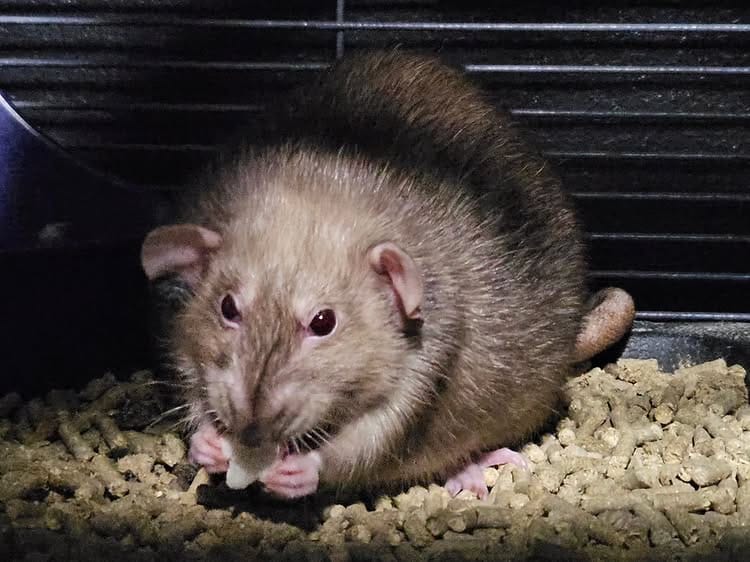
The pungent, ammonia-like smell of rat urine is unmistakable and deeply unpleasant. But beyond the offensive odor lies a genuine health concern. Rat urine can harbor pathogens, including Leptospira bacteria, which causes Leptospirosis, and is a potent allergen. Eliminating this odor isn’t just about restoring comfort—it’s a critical step in maintaining a sanitary and safe living environment through proper Derby pest control.
As pest control expert Dr. Sarah Benson notes, “Odor elimination is the final, critical phase of rodent remediation. If the smell remains, it can act as a pheromone beacon for other rodents, inviting re-infestation. Proper cleanup breaks this cycle.”
Phase 1: Safety First – Essential Precautions
Before you begin cleaning, protect yourself. Rat urine and droppings can aerosolize, posing inhalation risks.
Essential Safety Gear:
- N95 Respirator or Mask: Prevents inhalation of particles and pathogens.
- Rubber or Nitrile Gloves: Disposable and impermeable.
- Protective Goggles: Shields eyes from splashes.
- Disposable Coveralls (Optional): For severe infestations.
Action: Ventilate the area by opening windows and doors for at least 30 minutes before starting. Never sweep or vacuum dry droppings and urine with a standard vacuum.
Phase 2: The Step-by-Step Elimination Process
Step 1: Initial Removal
Lightly spray contaminated areas (droppings, nesting materials, urine trails) with a disinfectant or a 10% bleach solution. This minimizes aerosolization. Carefully remove all solid debris with paper towels and place them in sealed plastic bags for disposal.
Step 2: Deep Cleaning & Application of Odor Neutralizers
After removing debris, apply your chosen cleaning agent. The choice depends on the surface and severity.
Comparison of Primary Cleaning Solutions
| Solution | Best For | Pros | Cons | Key Ingredient |
|---|---|---|---|---|
| Enzymatic Cleaner | Porous surfaces (wood, fabric, carpet), severe odors | Breaks down urine at molecular level, non-toxic, eliminates smell source | Can be slower acting, often costlier | Live enzymes (urease, protease) |
| White Vinegar Solution | Non-porous surfaces (tile, sealed concrete), mild odors | Cheap, readily available, neutralizes ammonia | Temporary for severe cases, smell can linger | Acetic Acid |
| Bleach Solution (10%) | Non-porous surfaces, disinfection | Excellent disinfectant, cheap, removes stains | Does not fully neutralize odor, can react with ammonia, damages many surfaces | Sodium Hypochlorite |
| Commercial Odor Remover | All surfaces, urgent situations | Often formulated with surfactants & odor neutralizers, fast-acting | May mask, not eliminate, some contain harsh chemicals | Varies (hydrogen peroxide, ozone water) |
Step 3: Detailed Application
- For Hard Surfaces: Apply your solution, let it soak for 10-15 minutes, then scrub thoroughly. Rinse with clean water if needed.
- For Porous Surfaces (Wood, Drywall, Fabric): Enzymatic cleaners are crucial. Soak the area thoroughly. The enzymes need time (hours, sometimes with reapplication) to digest the uric acid crystals. Do not rinse; allow to dry completely.
Step 4: Final Disinfection
After odor treatment, wipe down non-porous areas with a disinfectant to kill any remaining germs.
Phase 3: Advanced Tactics for Stubborn Odors
If the smell persists after cleaning, the urine has likely penetrated deep into porous materials.
- Ozone Generators: Warning: Use only by professionals or in unoccupied spaces. Ozone (O³) is a powerful oxidizer that destroys odor molecules. It is dangerous to breathe and requires strict safety protocols.
- Sealing (Encapsulation): For irreplaceable structural elements like subflooring or beams, after the cleanest possible cleanup, apply a specially designed odor-sealing primer (e.g., oil-based shellac like B-I-N or Kilz Original) to trap residual odor.
- Replacement: Often the only surefire solution for severely contaminated insulation, drywall, or upholstery.
Phase 4: Prevention – Keeping Rats and Odors Out
Elimination is futile without prevention.
- Exclusion: Seal all entry points (holes, gaps) with steel wool and metal flashing or hardware cloth. Rats can chew through almost anything except metal.
- Sanitation: Remove food and water sources. Keep trash sealed, store food in rodent-proof containers, and fix leaks.
- Monitoring: Use traps in vulnerable areas to catch any pioneers before they establish a new colony.
FAQ: Quick Answers to Common Concerns
Q: How long does rat urine odor last if untreated?
A: In porous materials, the uric acid crystals can remain for years, releasing odor with humidity and heat.
Q: Can air fresheners or baking soda solve the problem?
A: No. They only mask the smell temporarily. They do not break down the urine compounds causing the odor.
Q: My car has a rat urine smell. What should I do?
A: Replace the cabin air filter immediately. Thoroughly clean affected areas (often the ventilation system or interior fabric) with an enzymatic cleaner. Professional detailing may be required.
Q: When should I call a professional?
A: For large infestations, odors in HVAC systems, or if the smell persists after your best efforts. Professionals have access to industrial-grade cleaners, ozone machines, and thermal foggers.
Final Thought
Eliminating rat urine odor is a systematic battle of sanitation, chemistry, and prevention. By understanding the source, using the right tools for the surface, and taking decisive preventive action, you can reclaim a fresh, safe, and rodent-free environment. Remember, the goal isn’t just to cover up the smell, but to eradicate its source completely.