The Ultimate Guide: How to Clean a Jeep Soft Top Safely & Effectively
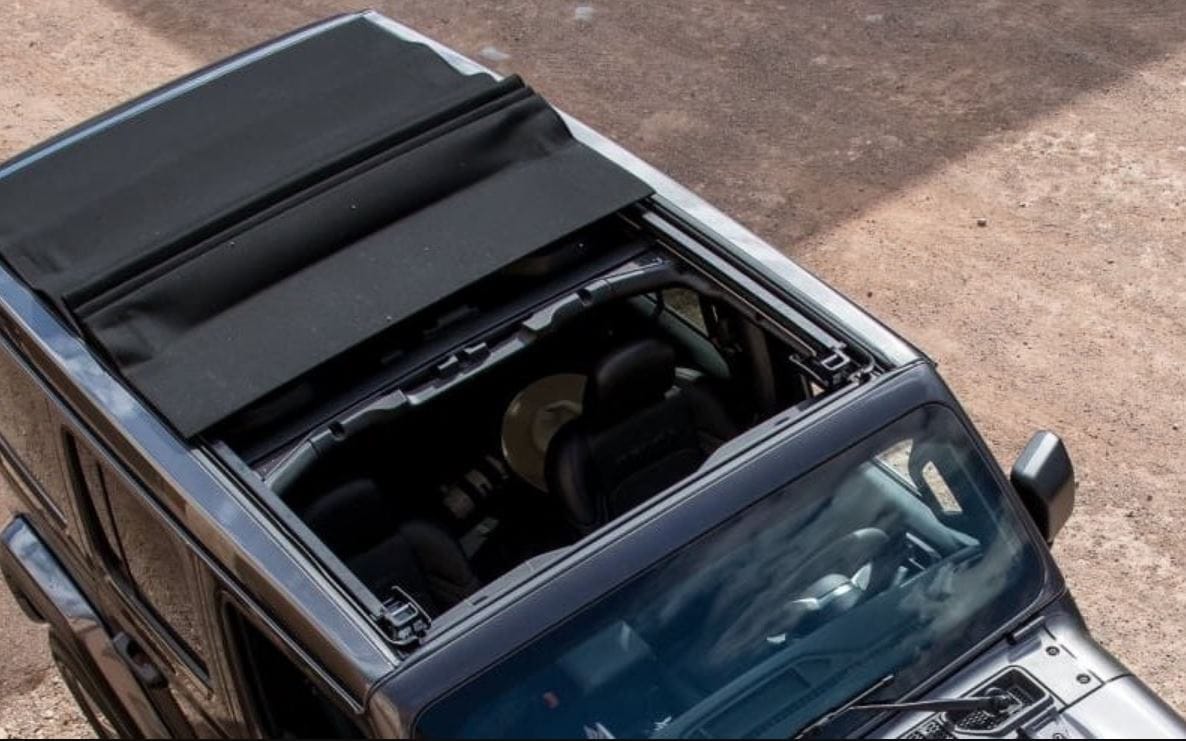
For Jeep Wrangler and Gladiator owners, the soft top is a symbol of freedom and adventure. However, exposure to the elements means it can quickly accumulate dirt, stains, and mildew. Proper cleaning not only restores its look but also extends its lifespan significantly. This comprehensive, SEO-optimized guide will walk you through the correct steps, materials, and pro tips to clean your Jeep soft top without causing damage.
Why Proper Soft Top Cleaning is Crucial
A Jeep soft top, typically made from vinyl or premium fabric like Twill or sailcloth, is a durable yet sensitive investment. Harsh chemicals, stiff brushes, and incorrect techniques can lead to:
- Fading and discoloration
- Compromised water resistance
- Cracking or tearing of material
- Mold and mildew growth
Regular, proper cleaning preserves the top’s integrity, maintains its weatherproofing, and keeps your Jeep looking trail-ready.
What You’ll Need: The Cleaning Arsenal
Gather these supplies before you start. Using the right tools is half the battle.
For Basic Cleaning:
- Soft-bristle brush (like a detailing or horsehair brush) or a microfiber wash mitt
- Two buckets (using the two-bucket method to avoid grinding dirt)
- pH-neutral, non-detergent automotive or specific soft top cleaner
- A large supply of microfiber towels
- A hose with a gentle spray nozzle (or a pressure washer on LOW setting)
For Stubborn Stains & Deep Cleaning:
- Dedicated soft top protectant (UV guard)
- Mild stain remoter (approved for your top material)
- Isopropyl alcohol (for sap/tar, used sparingly)
- Soft toothbrush for detailed areas
WHAT TO AVOID: Household glass cleaners, dish soaps, bleach, abrasive pads, stiff bristle brushes, and any product containing petroleum distillates.
Step-by-Step Cleaning Process
Step 1: Initial Rinse
Park in the shade. A hot top causes cleaners to dry too quickly, leading to streaks. Use a gentle hose stream to rinse away loose dirt and debris. This prevents scratching during the wash.
Step 2: Apply Cleaner & Gently Agitate
Apply your chosen pH-neutral cleaner according to the label’s instructions. Using your soft brush or mitt, gently agitate the surface in circular motions. Work in sections (e.g., one window or panel at a time).
Pro Tip: Always clean from the bottom up to prevent dirty runoff from streaking over already cleaned areas.
Step 3: Rinse Thoroughly
Rinse each section completely before the cleaner dries. Ensure all soap residue is removed, as it can attract more dirt and degrade the material.
Step 4: Tackle Stains & Mildew
For mildew (black spots) or stubborn stains, apply a targeted cleaner approved for your top material. Let it sit for the recommended time, then agitate gently with a soft toothbrush. Rinse thoroughly.
Step 5: Dry & Protect
Use a clean, absorbent microfiber towel to blot and dry the top. Let it air dry completely before moving to the final, critical step: applying a UV protectant. This product replenishes the top’s water-repellent properties and shields it from sun damage, which is the #1 cause of deterioration.
Comparison Table: Cleaning Products & Tools
Selecting the right product is vital. Here’s a comparison of common approaches.
| Product Type | Best For | Pros | Cons | Brand Examples |
|---|---|---|---|---|
| Specialist Soft Top Cleaner | Regular cleaning & maintenance | Formulated specifically for the material; safe; often includes UV protection. | Can be more expensive than generic options. | Bestop, Chemical Guys, Mopar |
| pH-Neutral Car Wash Soap | General washing if no heavy stains | Readily available; safe on all materials; good for overall vehicle wash. | May not tackle tough stains or mildew as effectively. | Meguiar’s Gold Class, Adam’s Car Shampoo |
| DIY Cleaner (Mild Soap & Water) | Light dust/dirt removal | Very low cost; uses household items. | Risk of improper mixing; no added protective elements. | 1 oz pure castile soap per gallon of water |
| Dedicated Fabric Cleaner | Jeep with premium twill/sailcloth tops | Designed for fabric; cleans deep without harming fibers. | Must ensure compatibility; not for vinyl tops. | RaggTopp, Wolfstein |
Comparison Table: Vinyl vs. Fabric (Twill/Sailcloth) Tops
Cleaning methods differ slightly based on your top’s material. Always check your owner’s manual first.
| Aspect | Vinyl Soft Top | Fabric (Twill/Sailcloth) Top |
|---|---|---|
| Primary Cleaning Agent | Mild, vinyl-specific cleaner. | Cleaner designed for automotive fabric. |
| Brush Type | Softer bristles essential. | Very soft bristles or microfiber only. |
| Stain Removal | More chemical-resistant; isopropyl alcohol can work for sap/tar. | More delicate; requires fabric-specific stain remover. |
| Key Maintenance | UV protectant to prevent fading & cracking. | Waterproofing re-treatment after deep cleans. |
| Biggest Risk | Cracking from harsh chemicals and UV exposure. | Clogging fibers and losing water repellency. |
Advanced Tips & FAQs
How often should I clean my Jeep soft top?
Perform a light clean every 2-4 weeks and a deep clean with protectant every 3-4 months. Clean stains and bird droppings immediately to prevent etching.
Can I use a pressure washer?
Extreme caution: Only if it has a wide, 40-degree nozzle and you keep it at least 2-3 feet away. High pressure can force water through seams and damage the fabric or seals.
How do I clean the plastic windows?
Use only cleaners labeled safe for vinyl windows. A dedicated plastic cleaner and polish (like Plexus) prevents yellowing and scratches. Always dry with a microfiber towel, not a chamois.
My top has a musty smell. What now?
This indicates mildew inside the fabric layers. After a thorough clean, ensure the top is bone dry before folding it down. Consider using a fabric-safe odor eliminator.
The Final Word
Cleaning your Jeep soft top isn’t just about aesthetics—it’s a key part of vehicle preservation. By using the right materials, following a gentle step-by-step process, and consistently applying a UV protectant, you can ensure your top stays clean, waterproof, and looking great for years of open-air adventures.