The Ultimate Guide: How to Clean a Freezer Floor for a Spotless, Odor-Free Appliance
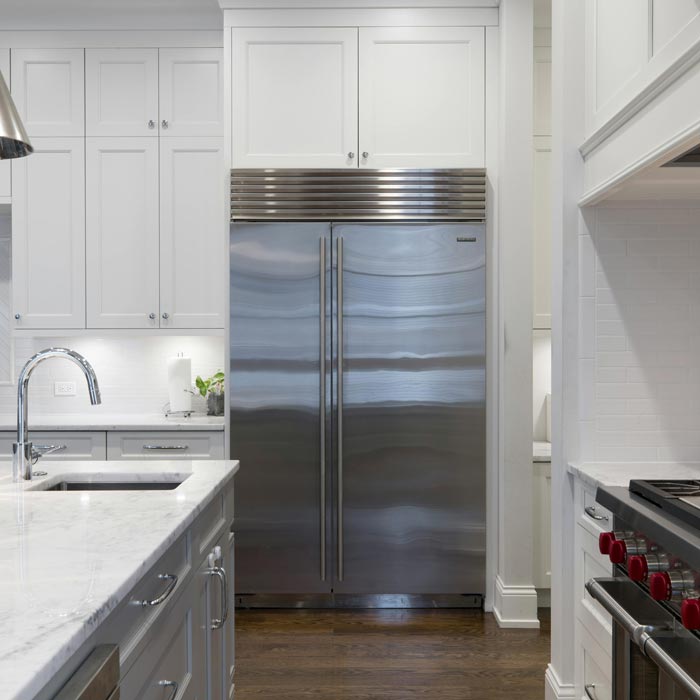
Forgetting a bag of frozen veggies or discovering a long-lost piece of meat can lead to a messy freezer floor that’s sticky, stained, and smelly. Knowing how to clean a freezer floor properly is essential for food safety, appliance efficiency, and eliminating unpleasant odors. This step-by-step guide, packed with expert tips and comparisons, will help you tackle this chore efficiently and ensure your freezer is hygienic and fresh.
Why a Clean Freezer Floor Matters
A clean freezer isn’t just about aesthetics. Spills can harbor bacteria (like listeria, which can survive in cold temperatures), create cross-contamination risks, and cause persistent odors that transfer to your food. Ice and debris buildup can also interfere with airflow, making your freezer work harder and increasing energy bills.
Step-by-Step: How to Clean Your Freezer Floor Thoroughly
Step 1: Safety First & Preparation
- Unplug the Freezer: For stand-alone freezers, always unplug the unit. For fridge-freezer combos, you can often turn the freezer off via controls.
- Remove All Food: Place perishables in a cooler with ice packs. Group items together to minimize thawing time.
- Remove Shelves and Drawers: Wash these separately in warm, soapy water.
Step 2: The Initial Defrost
- Let ice melt naturally. Place towels on the freezer floor to absorb water.
- NEVER use sharp objects to chip ice as you can puncture coolant lines. For speed, you can place bowls of hot water inside to raise the temperature.
Step 3: The Deep Clean
Once defrosted and only residual water remains, it’s time to clean the floor.
- Mix Your Cleaning Solution: Choose from the options in the comparison table below.
- Scrub: Using a soft cloth, sponge, or soft-bristled brush, thoroughly scrub the entire freezer floor, focusing on stained or sticky areas.
- Rinse: Wipe down with a clean cloth dampened with plain water to remove any cleaning residue.
- Dry: Completely dry the floor with a dry towel. Any leftover moisture will quickly turn to ice.
Step 4: Reassemble & Restart
- Once completely dry, replace the clean, dry shelves and drawers.
- Plug the freezer back in and allow it to reach the proper temperature (usually about 0°F or -18°C) before returning food.
Freezer Floor Cleaning Solutions Comparison Table
Choosing the right cleaner is key. Here’s a breakdown of the most effective options.
| Cleaning Solution | Best For | How to Use & Ratio | Pros | Cons |
|---|---|---|---|---|
| Baking Soda Paste | General cleaning, mild stains, odor neutralization | Mix 3 parts baking soda with 1 part water to form a paste. | Non-toxic, excellent deodorizer, safe on all surfaces, inexpensive. | May require more elbow grease for tough stains. |
| White Vinegar Solution | Disinfecting, cutting through grease, mineral deposits | Mix 1 part white vinegar with 1 part warm water. | Natural disinfectant, deodorizes, cuts grease, inexpensive. | Strong smell while cleaning (dissipates). |
| Mild Dish Soap | Everyday spills, light grime | A few drops of dish soap in a bowl of warm water. | Effective on grease, food-safe residue is low concern, readily available. | Not a strong disinfectant on its own. |
| Hydrogen Peroxide (3%) | Disinfecting, tackling mold, stubborn stains | Use straight or dilute 50/50 with water. Apply, let sit 5-10 mins, then scrub. | Powerful disinfectant & stain lifter, breaks down into water/oxygen. | Can bleach colors (check a small area first). |
| Commercial Appliance Cleaner | Heavy-duty stains, built-up grime | Follow manufacturer’s instructions on the bottle. | Formulated for the task, often includes degreasers. | Chemical smell, more expensive, may not be food-safe surface friendly. |
Pro Tips for Maintenance & Stain Removal
- Prevent Future Messes: Use leak-proof containers, place drip trays under thawing items, and consider a freezer mat for easy removal and cleaning.
- Tackle Set-In Stains: For berry or juice stains, a paste of baking soda left for 15 minutes works wonders. For greasy stains, a vinegar solution is best.
- Keep it Fresh: Place an open box of baking soda at the back of the freezer to absorb odors continuously. Replace every 3 months.
- Schedule Cleanings: Perform this deep clean at least every 3-6 months, or immediately after a spill.
Frequently Asked Questions (FAQ)
Q: Can I use bleach to clean my freezer floor?
A: It’s not recommended. Bleach fumes can linger and permeate food, and it’s corrosive. Safer, food-surface-friendly options like vinegar or hydrogen peroxide are better disinfectants for this task.
Q: How do I clean the freezer floor without defrosting the whole unit?
A: For small spills, act fast. Use a ice scraper gently to lift the spill before it sets. Then clean the spot with a cloth dipped in your cleaning solution, followed by a rinse with a water-dampened cloth. Dry immediately.
Q: My freezer floor has a yellow tint. How do I remove it?
A: This is often plastic degradation or old stains. Create a thick paste of baking soda and water, apply, and let sit for an hour before scrubbing. For persistent discoloration, a 3% hydrogen peroxide solution can be effective (test in a corner first).
Conclusion
Cleaning your freezer floor is a vital but manageable home maintenance task. By following this structured guide—defrosting safely, choosing the right cleaner from our comparison table, and scrubbing thoroughly—you can ensure your freezer remains a clean, efficient, and odor-free environment for your frozen goods. Regular maintenance not only extends the life of your appliance but also protects your family’s health. Bookmark this guide for your next freezer clean-out day!