The Ultimate Guide: How to Clean a Drinking Horn Safely and Effectively
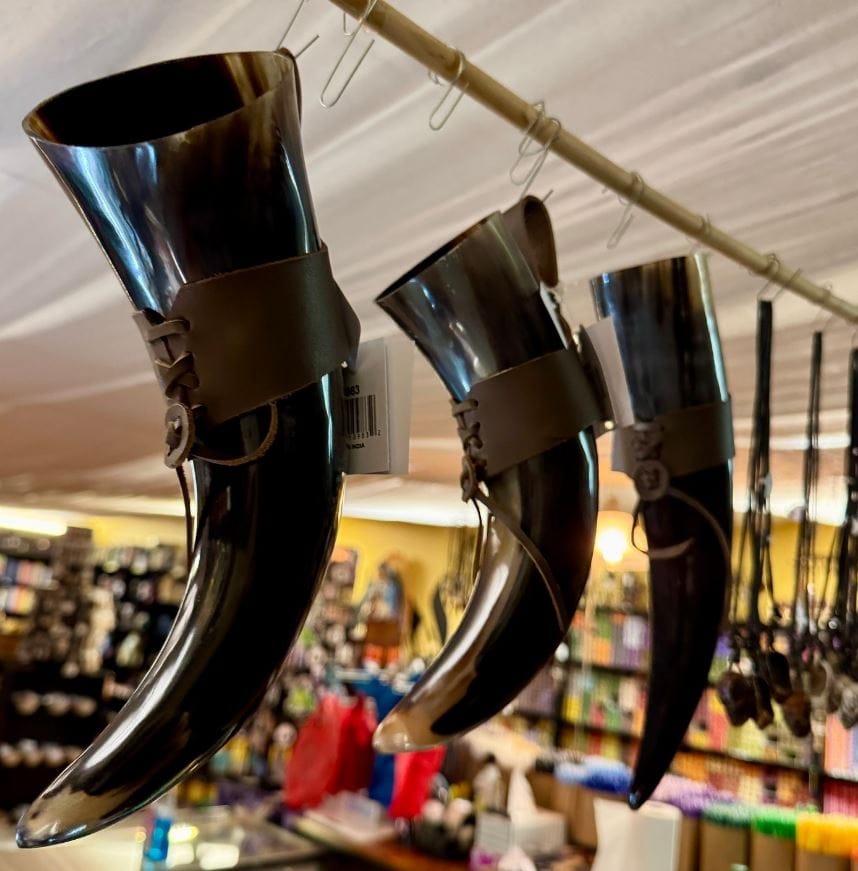
For history enthusiasts, festival-goers, or anyone who appreciates unique drinkware, a drinking horn is a remarkable possession. However, improper cleaning can lead to spoilage, bad odors, or even damage to the horn itself. This comprehensive, step-by-step guide will show you how to clean a drinking horn correctly, ensuring it remains a hygienic and stunning piece for years to come.
Why Proper Drinking Horn Cleaning is Crucial
Drinking horns are organic materials, primarily made from keratin (the same protein in your nails and hair). Unlike glass or metal, they are porous and can harbor bacteria, develop rancid smells from residual liquids, or crack if treated harshly. Proper cleaning isn’t just about appearance—it’s about health, preservation, and longevity.
What You’ll Need: Cleaning Supply Checklist
| Essential Items | Optional/Advanced Items |
|---|---|
| Mild dish soap | Beeswax or carnauba wax |
| Soft-bristle brushes (bottle brushes work well) | Food-grade mineral oil |
| Warm (not hot) water | Small funnel |
| Clean, soft cloths | 70% isopropyl alcohol (for disinfection) |
| Drying rack | White vinegar (for deep cleaning) |
Step-by-Step Guide to Cleaning Your Drinking Horn
Step 1: Immediate Rinse After Use
The golden rule: Never let liquid sit in your horn. As soon as you’re finished, rinse it thoroughly with lukewarm water. Swirl the water around and pour it out several times. This prevents sugars and residues from clinging to the interior.
Step 2: The Deep Clean
Frequency: After every 2-3 uses, or immediately after drinking dairy, ale, or sugary beverages.
- Fill with Soapy Water: Add a few drops of mild dish soap to the horn.
- Add Warm Water: Fill about 1/3 with warm water. Avoid extreme temperatures as hot water can crack the horn and cold water won’t clean effectively.
- Scrub Gently: Use a soft-bristle bottle brush to clean the entire interior, paying extra attention to the bottom tip. Never use abrasive scouring pads or metal brushes.
- Rinse Thoroughly: Rinse multiple times with clean, warm water until all soap residue is gone. Soap left inside will taint your next drink.
Step 3: Drying – The Most Important Step
Improper drying is the leading cause of rancid horns.
- Shake out excess water.
- Place the horn mouth-down on a clean drying rack or towel in a well-ventilated area.
- Let it air dry completely for at least 24 hours. Ensure the interior is entirely moisture-free before storing.
Step 4: Sanitizing (Optional but Recommended)
Before first use and periodically, you can sanitize:
- Alcohol Method: Swirl a small amount of 70% isopropyl alcohol inside, let sit for 2 minutes, then rinse and dry thoroughly.
- Vinegar Method: Fill with a 50/50 white vinegar and water solution, let sit for 15 minutes, rinse, and dry completely.
Step 5: Conditioning and Sealing
Many modern horns come sealed with epoxy or beeswax. If yours is wax-sealed, it will need occasional reconditioning.
| Sealant Type | Maintenance Needed | How-To |
|---|---|---|
| Food-Grade Epoxy/Resin | Minimal. Clean as above. No conditioning needed. | Just clean gently; avoid abrasive scrubbing on the interior coating. |
| Beeswax | Periodic re-waxing (when drinks start tasting waxy or water soaks in). | Melt food-grade beeswax, swirl a thin coat inside, let cool, and buff. |
| Unsealed/”Natural” | Not recommended for regular drinking. | For display only. If used, requires frequent wax sealing. |
What NOT to Do: Common Cleaning Mistakes
- ❌ Never put it in the dishwasher. The heat and harsh detergents will destroy it.
- ❌ Never soak it in water. Prolonged soaking can soften the keratin and degrade sealants.
- ❌ Avoid harsh chemicals. Bleach, ammonia, and strong solvents can break down the horn’s structure.
- ❌ Don’t store it upright or sealed. Always store mouth-down to allow air circulation.
Troubleshooting Common Issues
| Problem | Likely Cause | Solution |
|---|---|---|
| Rancid smell | Incomplete drying; old residues. | Clean with baking soda paste or vinegar solution, then dry completely for 48+ hours. |
| Cracked horn | Sudden temperature changes; impact; dryness. | Small cracks can be filled with beeswax. Prevent by avoiding thermal shock. |
| Cloudy interior | Mineral buildup from hard water. | Clean with a 50/50 water and white vinegar solution, then rinse and dry. |
| Loose tip/mount | Water exposure to adhesives. | Dry thoroughly after every wash. Reattach with food-grade, waterproof epoxy. |
Long-Term Storage Tips
For long-term storage (months), ensure the horn is completely clean and bone-dry. Condition the exterior with a light coat of food-grade mineral oil to prevent dryness. Store in a temperate, dry place, away from direct sunlight, and always mouth-down.
Frequently Asked Questions (FAQ)
Q: Can I drink hot beverages or alcohol from my horn?
A: Yes, but with caution. Warm (not boiling) beverages are fine for short periods. Most alcohols are safe, but avoid long-term storage of high-proof spirits inside a wax-sealed horn.
Q: How do I know if my horn is sealed?
A: Add a small amount of water and let it sit for 10 minutes. If the exterior near the water line feels damp or the water level drops, it needs resealing.
Q: Is a drinking horn hygienic?
A: Yes, when cleaned and dried properly, a drinking horn is as safe as any other well-maintained drinkware. The key is immediate and thorough drying to prevent bacterial growth.
By following this definitive guide, you can ensure your drinking horn remains a functional, beautiful, and safe vessel for all your mead, ale, or water. Proper care connects you to an ancient tradition while keeping your drinkware in pristine modern condition. Share your well-cleaned horn with pride at your next gathering!