The Ultimate Guide: How to Clean a Composite Door and Keep It Looking New
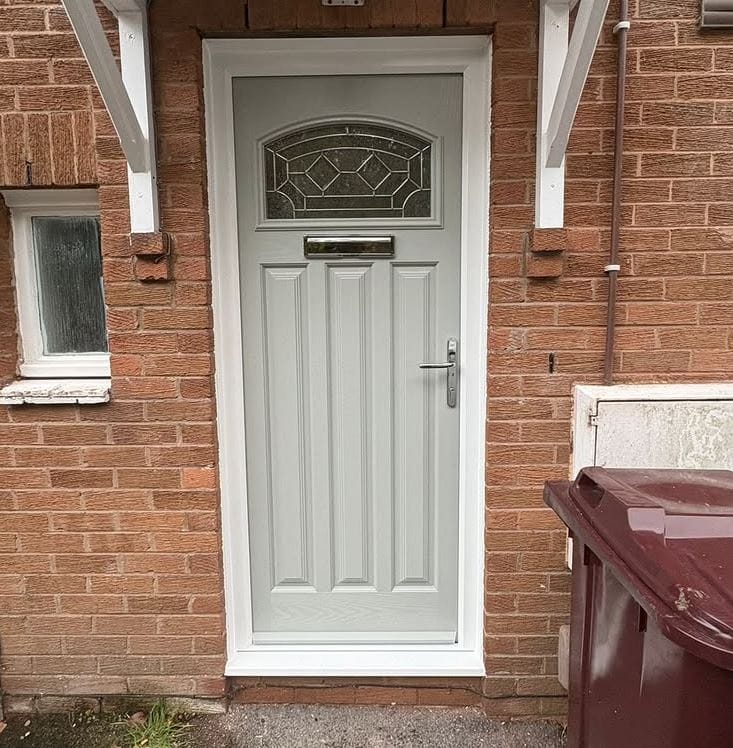
Composite doors are a popular choice for homeowners, prized for their durability, security, and aesthetic appeal. However, to maintain their pristine appearance and longevity, proper cleaning is essential. This comprehensive, step-by-step guide will show you exactly how to clean a composite door effectively and safely, ensuring it remains a stunning entryway feature for years to come.
Why Proper Cleaning Matters for Your Composite Door
Unlike traditional wooden doors, composite doors are engineered from a blend of materials like uPVC, wood, insulating foam, and glass reinforced plastic (GRP). This construction makes them highly resistant to warping, fading, and weathering, but it doesn’t make them maintenance-free. Regular, correct cleaning prevents the buildup of dirt, grime, and organic growth like mold or algae, which can degrade surfaces over time and void warranties if improper methods are used.
Step-by-Step Guide to Cleaning Your Composite Door
Follow this simple, effective process twice a year or as needed to keep your door in top condition.
What You’ll Need:
- A soft microfiber cloth or sponge
- A bucket of warm (not hot) water
- Mild, non-abrasive detergent (e.g., washing-up liquid or a dedicated composite door cleaner)
- A soft-bristled brush (for textured surfaces or stubborn dirt)
- A separate, dry microfiber cloth
- Optional: A hose with a gentle spray setting, automotive wax for polymer-based doors (check manufacturer guidelines first).
The Cleaning Process:
- Preparation: Remove any loose dirt or cobwebs from the door frame and panels using a dry cloth or a soft brush.
- Create Your Cleaning Solution: Fill a bucket with warm water and add a few drops of mild detergent. Avoid harsh chemicals, bleach, or abrasive cleaners, as these can damage the door’s finish.
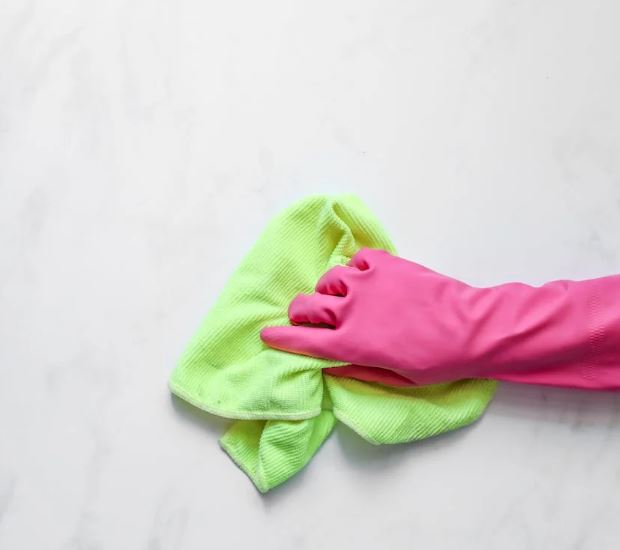
- Wash the Door: Dip your soft cloth or sponge into the solution, wring it out well (it should be damp, not dripping), and gently wipe down the door in sections. Start from the top and work your way down to prevent streaking. For doors with deep textures or grooves, use a soft-bristled brush to dislodge ingrained dirt gently.
- Rinse Thoroughly: If possible, use a hose on a gentle setting or a bucket of clean water to rinse off all soapy residue. Soap left to dry can leave streaks and attract more dirt.
- Dry Completely: Use a clean, dry microfiber cloth to buff the door dry. This step is crucial for preventing water spots and streaks, giving you a sparkling finish.
- ️ Attention to Hardware: Clean handles, letterboxes, and knockers with a damp cloth and appropriate cleaner (e.g., a metal polish for brass). Avoid getting excessive water into the mechanical parts of locks.
What NOT to Do: Common Cleaning Mistakes to Avoid
Protect your investment by steering clear of these damaging practices.
| DO ✅ | DON’T ❌ |
|---|---|
| Use soft cloths and non-abrasive tools. | Use scouring pads, stiff wire brushes, or abrasive scrapers. |
| Clean with mild, pH-neutral soaps. | Use harsh chemicals, acetone, bleach, or paint thinners. |
| Rinse with clean water after washing. | Allow soapy solution to dry on the surface. |
| Wipe and buff the door dry. | Use a pressure washer (high pressure can force water under seals). |
| Spot-clean marks as they appear. | Ignore spills, bird droppings, or tree sap, which can stain if left. |
Seasonal Deep Cleaning & Stain Removal Tips
For tougher stains, a targeted approach works best. Always test any cleaner in a small, inconspicuous area first.
| Stain Type | Recommended Cleaning Method |
|---|---|
| General Dirt & Grime | Follow the standard washing process above. |
| Algae or Mild Mold | Use a diluted solution of white vinegar and water (1:4 ratio). Apply, leave for a few minutes, then rinse and dry. |
| Greasy Marks or Tree Sap | Wipe with a cloth dampened with isopropyl alcohol (rubbing alcohol), then wash and rinse the area. |
| Tough Stains or Paint Splashes | Apply a small amount of non-acetone nail polish remover on a cloth, rub gently, and rinse immediately. |
| Scuff Marks | Often removable with a soft pencil eraser or a dab of baking soda paste. |
Maintenance Comparison: Composite vs. Other Door Materials
Understanding how composite doors compare highlights their low-maintenance advantage.
| Maintenance Aspect | Composite Door | Wooden Door | uPVC Door |
|---|---|---|---|
| Cleaning Frequency | Low (Bi-annual recommended) | High (Requires regular staining/sealing) | Low |
| Cleaning Method | Simple wash with soapy water | Can require sanding & re-finishing | Simple wash, prone to scratches |
| Risk of Rot/Warp | Very Low | High if not maintained | Very Low |
| Fading Risk | Very Low (through-colored finish) | Can fade and weather | Can yellow over time |
| Long-Term Upkeep Cost | Very Low | High | Low |
Pro Tips for Long-Term Care
- Regular Inspection: Every few months, check seals, hinges, and locks. Wipe seals clean to ensure they remain effective.
- Lubrication: Annually, apply a silicone-based lubricant to hinges and locks to keep mechanisms smooth.
- Immediate Attention: Always wipe away bird droppings, tree sap, or muddy splashes as soon as possible, as they can be acidic and cause staining.
Conclusion
Cleaning your composite door is a straightforward task that requires minimal time and effort. By following this guide—using the right tools, gentle cleaners, and avoiding common pitfalls—you can effortlessly maintain your door’s security, efficiency, and curb appeal. Regular, gentle care is the key to ensuring your composite front door continues to make a fantastic first impression for decades.