The Ultimate Guide: How to Clean a Chamois Cloth Properly

A high-quality chamois cloth is a trusted tool for achieving a spot-free, streak-free shine on your car, windows, or motorcycle. But this superior performance comes with a responsibility: proper care. Cleaning your chamois correctly isn’t just about hygiene; it’s about preserving its absorbency and extending its life.
In this guide, we’ll walk you through the simple yet crucial steps to keep your chamois in pristine condition.
Why Proper Chamois Cleaning is Non-Negotiable
Neglecting to clean your chamois is the fastest way to ruin it. A dirty chamois doesn’t just perform poorly—it can actively damage the surfaces you’re trying to care for.
- Prevents Scratches: Trapped grit, dust, and debris become abrasive particles that can swirl and scratch delicate paintwork and glass.
- Maintains Absorbency: A clean, open-pore structure is essential for a chamois to wick away water effectively. Clogged pores lead to smearing and streaking.
- Eliminates Odors and Bacteria: A damp, dirty chamois stored away is a breeding ground for mildew and bacteria, leading to a foul smell that can transfer to your car.
- Extends Lifespan: Regular, gentle cleaning prevents the leather or synthetic material from breaking down, ensuring your investment lasts for years.
Expert Insight: “Think of your chamois like a high-performance filter. When it’s clogged, it can’t do its job. A five-minute cleaning ritual after each use is the cheapest insurance policy for your vehicle’s paint and your tool’s longevity.” – Auto Detailing Professional
Step-by-Step Guide to Cleaning Your Chamois Cloth
Follow these steps after every use to keep your chamois soft, absorbent, and ready for its next task.
Step 1: The Initial Rinse
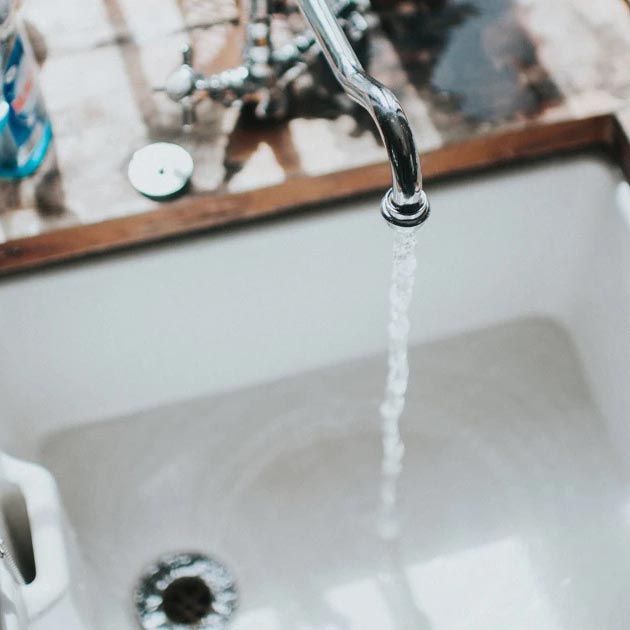
Immediately after use, hold the chamois under a steady stream of cool, clean water. Gently squeeze and agitate it to flush out the majority of the surface dirt and contaminants. Do not use hot water, as it can cause the fibers to break down.
Step 2: The Gentle Wash
Once the initial grit is gone, it’s time for a deeper clean.
- For Natural Chamois: Use a mild, non-detergent soap. A dedicated chamois cleaner, a drop of mild baby shampoo, or a pH-neutral car wash shampoo is perfect. These cleaners clean effectively without stripping the natural oils from the leather.
- For Synthetic Chamois: You can use the same mild soaps, and they are generally more tolerant of a wider range of cleaners. Avoid harsh detergents and fabric softeners, which can coat the fibers and ruin absorbency.
3: Knead and Rinse Thoroughly
Submerge the chamois in a bucket of clean water with your chosen cleaner. Gently knead and squeeze it—do not twist or wring it aggressively, as this can damage the internal structure. Continue kneading until the water runs clear and no more suds are visible. Any leftover soap residue will cause streaking on your next use.
Step 4: The Final Rinse and pH Check
Give the chamois one last thorough rinse under running water. A good practice is to taste-test the water running through it (or just feel for slickness). If it tastes or feels like soap, keep rinsing until the water is completely neutral.
H3: Step 5: Proper Drying is Key
This is the most critical step for preventing mildew.
- Gently squeeze out excess water. Avoid wringing.
- Lay the chamois flat on a clean towel or drape it over a plastic clothes hanger in a well-ventilated, shaded area.
- Never store it in a sealed container or plastic bag while damp.
- Allow it to dry completely before storing.
Natural vs. Synthetic Chamois: A Cleaning Comparison
While the cleaning philosophy is similar, the ideal products and considerations differ slightly. Here’s a quick comparison:
| Feature | Natural Chamois (Leather) | Synthetic Chamois (e.g., PVA) |
|---|---|---|
| Best Cleaning Agent | Mild, non-detergent soap (chamois cleaner, baby shampoo). | Mild soap or car wash shampoo. More chemical-resistant. |
| What to Avoid | Harsh detergents, hot water, and fabric softener. | Fabric softener (it clogs fibers). |
| Drying Time | Slower. Requires careful air drying. | Faster. Still requires air drying but is less prone to rot. |
| Key Consideration | Can become stiff if left to dry without use. Re-wetting restores softness. | Can be prone to tearing if pulled aggressively while wet. |
Frequently Asked Questions (FAQ)
Can I machine wash a chamois cloth?
It is not recommended, especially for natural chamois. The agitation and spin cycles can tear and degrade the material. For synthetic chamois, if the label explicitly says it’s safe, use a gentle cycle without detergent and air dry. Hand washing is always the safer choice.
My chamois has a bad smell. Can I save it?
You can try. Soak it in a solution of cool water and white vinegar (a 4:1 ratio) for 15-20 minutes. Then, follow the standard washing and thorough rinsing steps. If the mildew smell persists, it’s often best to replace the chamois to avoid contaminating your vehicle’s surface.
How often should I replace my chamois?
A well-maintained natural chamois can last several years. Synthetic chamois may have a shorter lifespan, around 1-2 years with heavy use. Replace your chamois when it no longer absorbs water effectively, consistently leaves streaks, or begins to disintegrate.
Cleaning a chamois cloth is a simple, quick process that pays massive dividends. By investing a few minutes after each wash to rinse, wash, and dry your chamois properly, you ensure it remains a reliable, scratch-free partner in your detailing arsenal. Treat your chamois with care, and it will reward you with a flawless, showroom-quality finish every time.