The Truth About Candles and Odor Removal: Do They Really Work?
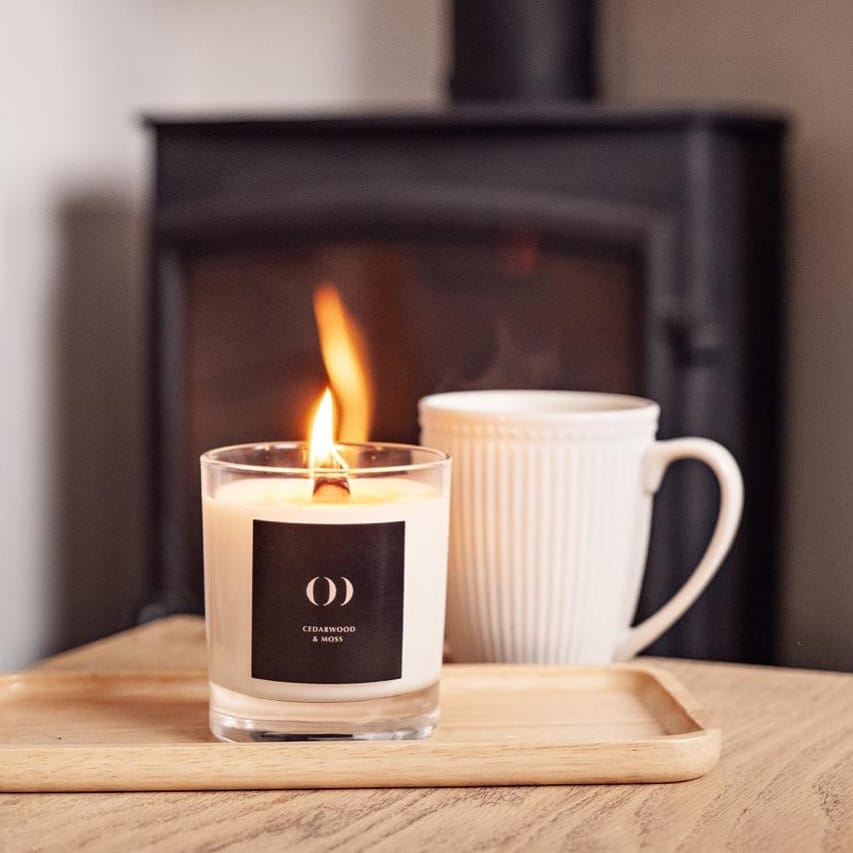
The warm glow of a candle is a hallmark of cozy ambiance, but many people also light them with another goal in mind: to banish unwanted smells. From post-cooking aromas to pet odors and musty spaces, the question persists—can candles actually remove odor, or do they just mask it? The answer is more nuanced than a simple yes or no. This article delves into the science, types, and effective use of candles for odor control.
How Candles Interact with Odors
To understand candles’ role, we must distinguish between masking and eliminating odor.
Masking is the process of covering one smell with a stronger, more pleasant fragrance. Most scented candles operate on this principle. They don’t remove odor molecules; they overwhelm your olfactory senses with an alternative scent.
Eliminating (or neutralizing) involves chemically or physically removing odor particles from the air. True odor elimination is rare for a standard candle, but there are exceptions.
As Dr. Sarah Johnson, an environmental chemist, notes:
“The combustion process of a candle does produce a slight ‘draw’ of air, which can pull in some odor particles to be burned. However, the primary effect of a paraffin or soy scented candle is olfactory masking. The fragrance oils are designed to bind with odor receptors in your nose, effectively blocking the unpleasant smell from being perceived.”
Types of Candles and Their Odor-Control Efficacy
Not all candles are created equal. Their ability to handle odors depends heavily on their composition.
Comparison of Candle Types for Odor Control
| Candle Type | Primary Wax Material | Odor Action Mechanism | Best For | Limitations |
|---|---|---|---|---|
| Standard Scented | Paraffin, Soy, or Blend | Masking – Strong fragrance covers odors. | Quickly creating a pleasant atmosphere, mild everyday odors. | Does not eliminate odor sources; may create scent clashes. |
| Unscented | Paraffin, Soy, Beeswax | Minor Elimination – Combustion may burn some VOC particles. | Sensitive individuals, subtle odor reduction. | Very minimal odor impact; mainly provides flame-driven air movement. |
| Beeswax | 100% Pure Beeswax | Neutralization – Produces negative ions that bind with positives (like dust/odor). | Allergen and dust-related odors, natural purification. | Expensive; subtle scent; slower effect. |
| Charcoal-Infused | Coconut/Soy with Activated Charcoal | Adsorption – Charcoal traps odor molecules within its porous structure. | Strong, stubborn odors (cooking, smoke, pets). | Often lightly scented; charcoal’s reach is limited to air passing near the candle. |
| Enzyme/Catalytic | Specialized Blends | Neutralization – Enzymes break down odor molecules chemically. | Organic odors (food waste, pet accidents, mildew). | Can be hard to find; specific to odor types. |
Maximizing Odor Removal: Best Practices
If your goal is to truly reduce odors, not just cover them, follow these strategic steps:
- Remove the Source First: Always eliminate the origin of the odor (take out trash, clean surfaces, wash fabrics). No candle can defeat an active, ongoing source.
- Ventilate: Open windows for 10-15 minutes to flush out stale, odor-laden air. This removes the particles you’re trying to fight.
- Choose the Right Candle: For elimination, opt for beeswax or charcoal-infused candles. For strong masking, pick a scented candle with a complementary, not clashing, fragrance profile (e.g., citrus for kitchen, lavender for bathrooms).
- Burn Long Enough: Allow the candle to burn until the wax pool liquefies to the edges (usually 1-2 hours). This ensures an even, strong fragrance throw.
- Prioritize Safety: Use well-ventilated rooms, keep away from drafts and flammable materials, and never leave a burning candle unattended. A safe candle is effective; an unsafe one is a hazard.
The Verdict: Maskers vs. Eliminators
So, can candles remove odor? They can help manage it, but true elimination is limited.
- Most scented candles are effective maskers. They are a fantastic solution for creating a mood and providing a pleasant sensory experience that overshadows mild, everyday odors.
- A few specialty candles (beeswax, charcoal) offer genuine neutralizing properties. They can improve air quality and reduce odor particles, but their effect is often localized and supplementary.
For severe, persistent odors (like mold, smoke damage, or pet urine), candles are not a solution. In these cases, professional cleaning, HEPA air purifiers, and addressing the moisture or contamination source are necessary.
Conclusion
Candles serve as a valuable tool in the home fragrance arsenal. While their primary superpower is masking unwanted smells with beautiful aromas, certain types do offer legitimate air-purifying benefits. By understanding the difference and selecting the right candle for your need—whether it’s a powerful scented jar to mask last night’s fish dinner or a beeswax pillar to subtly clean the air—you can use them more effectively. Remember, the key to a fresh-smelling home is a multi-pronged approach: remove the source, ventilate thoroughly, and then use your chosen candle as the final, fragrant touch.