The Smart Way to Give Your Home a New Look Without a Major Renovation
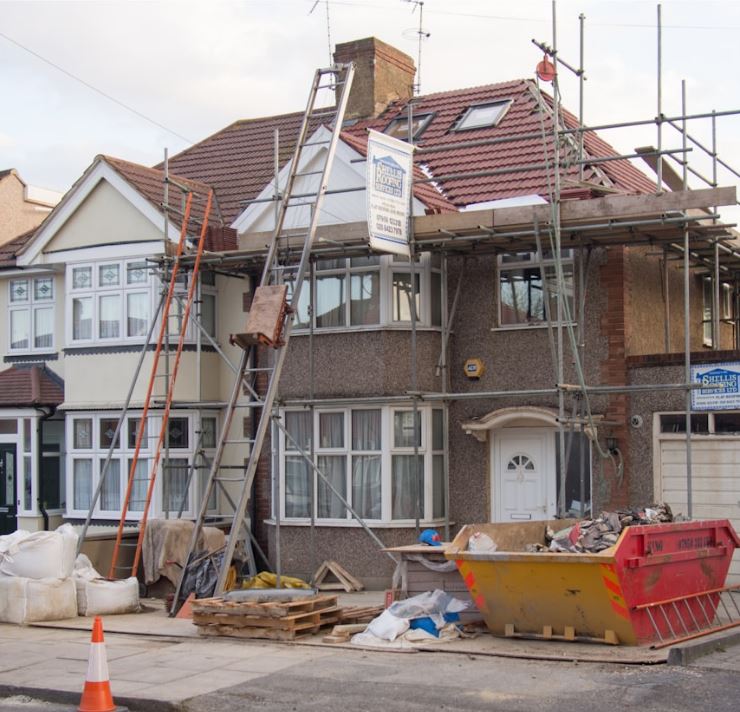
There’s something about walking up to a home that feels put together. The kind where the exterior looks crisp, the paint isn’t peeling, and the style just fits. But for most homeowners, the idea of achieving that “new home” look usually comes with the assumption of a massive renovation—and an even bigger price tag. The good news? It doesn’t have to.
These days, there are plenty of ways to transform how a house looks (and even performs) without tearing down walls or spending months living in a construction zone. It just takes knowing where to focus your time and budget.
Start With the Exterior: Where First Impressions Begin
Curb appeal isn’t just a real estate buzzword—it genuinely changes how a home feels, both for the people living in it and for anyone driving by. The outside of a home sets the tone for everything inside. And if that exterior looks worn or outdated, it can drag down the whole vibe, even if the interior is spotless.
Refreshing the exterior doesn’t always mean rebuilding. Sometimes it’s as simple as upgrading the surface materials. Things like cladding, trims, and window frames can completely change a home’s appearance without major structural work. The key is choosing materials that look great, last long, and don’t require constant maintenance.
Cladding: The Big Upgrade That Feels Small
Here’s the thing—cladding might sound like a niche construction term, but it’s easily one of the most impactful changes a homeowner can make. It’s the material that wraps around the outside of your home, acting as both protection and decoration.
Modern cladding options, from a company like Formplex, have come a long way from the old timber boards that needed sanding, painting, and regular repair. Vinyl and composite weatherboards, for example, are designed to mimic the look of real wood without all the work that comes with it. They resist fading, don’t warp or crack, and are far easier to clean.
This single upgrade can give a home the look of a full renovation without touching the structure underneath. It’s like giving your house a brand-new skin—sleeker, tougher, and much easier to live with.
The Low-Maintenance Lifestyle Shift
Let’s be honest—most people don’t want to spend their weekends maintaining their home’s exterior. That’s where materials designed for longevity make a huge difference.
Traditional exteriors, especially timber, might look beautiful at first, but the upkeep can become relentless. Every few years, there’s sanding, repainting, sealing, and sometimes replacing whole sections. With modern vinyl or composite cladding, that cycle mostly disappears.
Cleaning usually involves nothing more than a quick hose-down once or twice a year. No painting. No sealing. No weekend projects that eat up your time. It’s the kind of upgrade that gives homeowners both a visual improvement and long-term peace of mind.
Adding Depth and Character Without the Demolition
A full renovation can change a home’s layout, but sometimes the real difference comes from depth and texture. Flat exteriors can feel plain or dated, while a mix of cladding profiles and colors adds dimension without altering the structure.
Even small design changes—like combining horizontal and vertical panels or using contrasting colors around windows—can make an older home feel fresh and intentional. And because modern cladding is lightweight, installers can usually apply it directly over existing walls, avoiding the mess and expense of tearing things out.
That’s what makes this kind of project so appealing. It’s a transformation that feels big but works small, both in terms of time and disruption.
Energy Efficiency: The Quiet Bonus
Here’s something most people don’t realize—upgrading the exterior isn’t just about looks. It can also make a home more comfortable and efficient.
Many cladding systems now come with built-in insulation layers or can be installed over insulated boards. This extra barrier helps keep heat in during winter and out during summer, meaning the house stays more stable in temperature year-round. Over time, that translates into lower energy bills and a more comfortable living space.
And unlike traditional insulation upgrades that involve tearing into walls, this kind of energy improvement happens entirely from the outside. It’s a smart way to modernize an older home’s performance without touching the interior at all.
Small Details That Make a Big Difference
Sometimes, the secret to a “new home” feel isn’t one massive project but a collection of smaller updates that tie together. New gutters, fresh trims, upgraded lighting, or even new house numbers can subtly shift how the entire home looks.
The goal is to make the exterior feel cohesive. When the colors, materials, and finishes all complement each other, the result feels intentional rather than pieced together over time. This is where homeowners can play with personality—choosing finishes that fit their taste, whether that’s modern and minimal or warm and traditional.
The best part? Most of these upgrades can be done in stages. There’s no need to tackle everything at once. Doing one section at a time spreads out the cost and keeps the process manageable.
Balancing Cost and Impact
Here’s where reality meets design: cost. Full renovations often spiral far beyond initial budgets because one change leads to another. But when focusing on exterior upgrades like cladding, trims, and fixtures, it’s easier to control both scope and spending.
Think of it this way—repainting might be cheaper upfront, but it’s a recurring cost every few years. Cladding, on the other hand, has a higher starting price but requires almost no maintenance and lasts decades. Over the lifespan of the home, it often ends up being the more economical choice.
And because these upgrades directly improve curb appeal and weather protection, they tend to add value if the house ever goes on the market. It’s one of those rare home projects that makes financial sense both now and later.
Weather Protection That Doesn’t Look Like “Protection”
Australia’s climate can be unpredictable—intense sun, heavy rain, coastal winds. These conditions are tough on traditional exterior materials. That’s why durability matters just as much as design.
Modern exterior systems are built to handle these elements without warping, fading, or rotting. The materials are engineered to expand and contract slightly with temperature changes, preventing cracking or peeling. That kind of performance doesn’t just save on maintenance—it keeps the home looking better for longer.
The nice part is that these materials don’t look overly “industrial.” They’re made to resemble natural finishes while delivering far more protection. It’s the blend of strength and style that gives modern exteriors their edge.
Keeping the Old Charm (If You Want It)
Older homes often have a charm that’s hard to replace. The trick is refreshing them without losing that original character. That’s where cladding and exterior finishes shine. They can preserve the classic look—like weatherboard-style profiles—while updating the performance behind the scenes.
Homeowners can match existing architectural details or even enhance them with color contrast and modern textures. It’s a way to honor the home’s style while giving it a clean, updated feel that’s easier to maintain.
So instead of stripping away what makes an older home special, these upgrades quietly protect it for another generation.
A Transformation That Fits Real Life
Not every homeowner has the time, budget, or patience for a massive renovation. But everyone wants a home they’re proud of—a place that looks cared for and feels comfortable year-round.
The beauty of exterior upgrades like cladding, trims, and modern finishes is that they offer real results without the chaos. No months of scaffolding, no interiors torn apart. Just a visible transformation that makes a house feel new again.
It’s the kind of improvement that’s practical, lasting, and instantly rewarding. The kind that shows a little change on the outside can completely shift how a home feels on the inside too.