The Role of Smart Sleep Solutions in Better Daily Performance
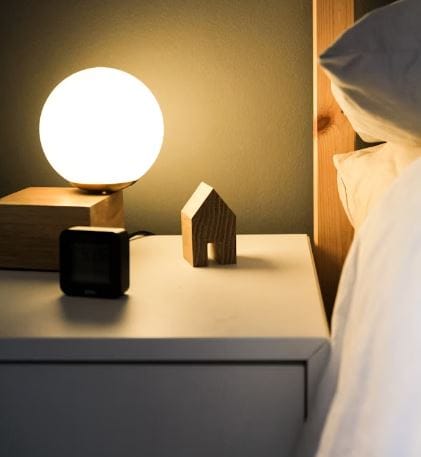
Daily performance depends on many factors, but sleep sits at the core of them all. Energy levels, decision-making, focus, and mood are directly tied to how well the body and mind recover during rest. When sleep is neglected or disrupted, productivity suffers, and even simple tasks feel overwhelming. Smart sleep solutions, from carefully designed bedding to technology that tracks rest cycles, can transform nightly recovery into a stronger foundation for the day ahead. With science and innovation shaping the way we approach rest, the conversation around sleep quality has shifted from luxury to necessity.
Choosing the Right Mattress for Restorative Sleep
The foundation of quality sleep begins with the surface where people spend nearly a third of their lives. Comfort, support, and alignment all depend on the mattress. Whether someone is searching for better back support or trying to reduce pressure on joints, the choice of mattress plays a major role. Many individuals find themselves looking for the best mattress not only for comfort but also for long-term health benefits. A well-constructed mattress can ease muscle strain, promote healthy posture, and reduce sleep interruptions caused by discomfort. Sleep scientists consistently point out that an unsuitable mattress can prolong the time it takes to fall asleep, cut into restorative sleep stages, and contribute to morning fatigue. Investing in the right surface is one of the simplest yet most impactful steps toward better daily performance.
Smart Pillows and Personalized Comfort
Beyond the mattress, pillows serve as vital partners in supporting the neck and aligning the spine. In recent years, technology has given rise to smart pillows that adjust firmness automatically, respond to snoring, and even provide gentle vibrations to prompt a change in sleeping position. By maintaining airway openness and reducing strain, these pillows contribute to uninterrupted sleep cycles. Personalized comfort has become more attainable, allowing individuals to tailor their rest environment to their unique body shape and sleeping style. The benefit extends into the day, as fewer disruptions during the night translate into sharper focus and sustained energy after waking.
Temperature Regulation for Restful Nights
Body temperature directly affects the ability to enter and sustain deep sleep stages. A room that feels too warm or too cold can trigger restless tossing and turning. Smart bedding and temperature-regulating devices help maintain an optimal climate throughout the night. From mattresses infused with cooling gel layers to blankets that adapt to body heat, these innovations tackle one of the most common sleep challenges. A stable sleep environment not only shortens the time it takes to drift off but also improves the duration of slow-wave sleep, which is key for physical restoration. Better thermoregulation at night leads to mornings with greater alertness, less grogginess, and improved performance in both mental and physical tasks.
Tracking Sleep with Wearable Technology
Awareness is a powerful tool in improving sleep quality. Wearable devices and smart rings now offer the ability to monitor sleep cycles, heart rate variability, and even breathing patterns. By providing insights into how long each sleep stage lasts, users can identify patterns that affect rest. For instance, late caffeine intake, irregular bedtimes, or stress may reveal themselves in disrupted data. With that information, adjustments become easier and more targeted. This level of feedback allows people to experiment with habits, compare outcomes, and fine-tune their routines. Better data creates a clearer picture of what supports or harms recovery, ultimately contributing to improved energy, stronger memory recall, and enhanced decision-making capacity during the day.
The Role of Light and Sound in Sleep Quality
External factors such as light and sound have a significant impact on rest. Exposure to artificial light at night can delay melatonin production, making it harder to fall asleep. Conversely, morning light exposure helps regulate circadian rhythm, aligning the body’s internal clock with natural cycles. Smart lighting systems now adjust brightness and color temperature to support these natural patterns. Sound also plays a role, with smart devices offering adaptive noise masking, soothing soundscapes, or white noise options to drown out disruptions. Creating a calm sensory environment reduces nighttime awakenings, leading to a smoother progression through sleep stages and better restoration of both mind and body.
Lifestyle Integration and Long-Term Benefits
Smart sleep solutions do more than just address immediate rest issues. They also encourage healthier lifestyle patterns that accumulate benefits over time. Consistent quality sleep strengthens the immune system, sharpens emotional regulation, and improves metabolic health. Better sleep routines integrate seamlessly into daily schedules, reinforcing the cycle of rest and productivity. When individuals wake feeling refreshed, they are more likely to maintain exercise routines, sustain concentration at work, and engage meaningfully in social interactions. Smart solutions not only improve nightly rest but also reinforce a lifestyle where peak daily performance becomes the standard rather than the exception.
The connection between sleep and daily performance is undeniable. Poor sleep creates a ripple effect across mood, focus, and physical energy, while quality rest builds a stronger, more resilient foundation for productivity and well-being. Sleep is no longer just about the hours spent in bed but about creating the right conditions that support recovery and performance each day.