The Homeowner’s Guide to Reliable Heating and Cooling All Year Long
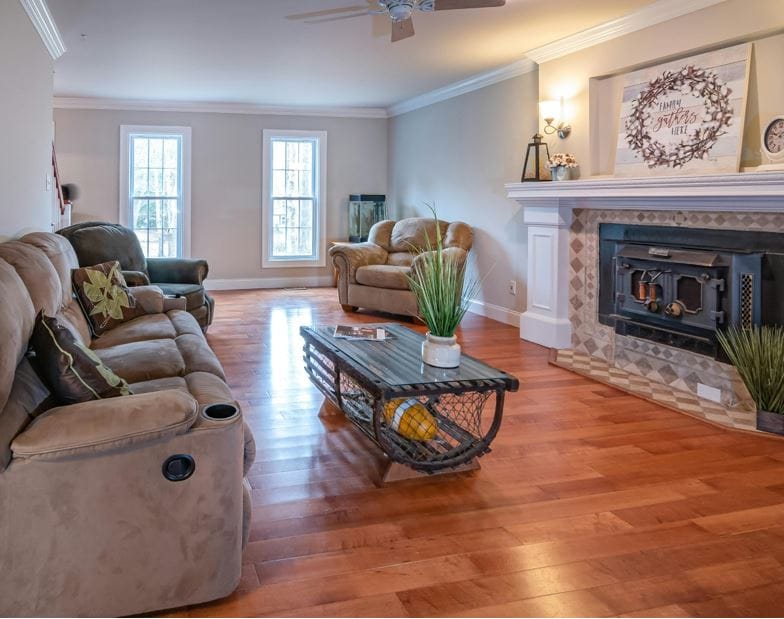
Have you ever stood in your kitchen, coffee cooling faster than the room, trying to figure out why one space feels fine and the next feels off for no clear reason? The system is on, vents are open, nothing looks broken, yet the house refuses to settle. These problems rarely arrive all at once. They build through small delays and quiet assumptions that things are still “good enough.”
That pattern shows up more clearly in places like North Shore, which experiences long, damp winters and summers that flip between mild and sticky without much notice. Home’s heating and cooling systems are often pushed back-to-back in such areas, and homes start feeling that strain before anyone puts words to it.
What Reliable Heating and Cooling Really Means at Home
Most people think a system is reliable if it turns on when you touch the thermostat. That is only the surface of it. Real reliability feels quieter. Rooms stay even. The air feels normal, not heavy or stale. You are not nudging the temperature up and down all day, waiting for the house to catch up. When that balance slips, people blame drafts or old windows, when the issue is usually buried deeper. Heating and cooling systems age slowly. Dust builds. Airflow shifts. Parts wear unevenly. Nothing breaks all at once, so it gets ignored, until comfort becomes something you manage instead of expect.
Why Professional Oversight Matters More Than People Admit
Sometimes, even after changing filters, vacuuming the vents, and adjusting the thermostat, the house still struggles to maintain the right temperature. That is when someone experienced in HVAC systems needs to look at the whole system, not just the obvious parts.
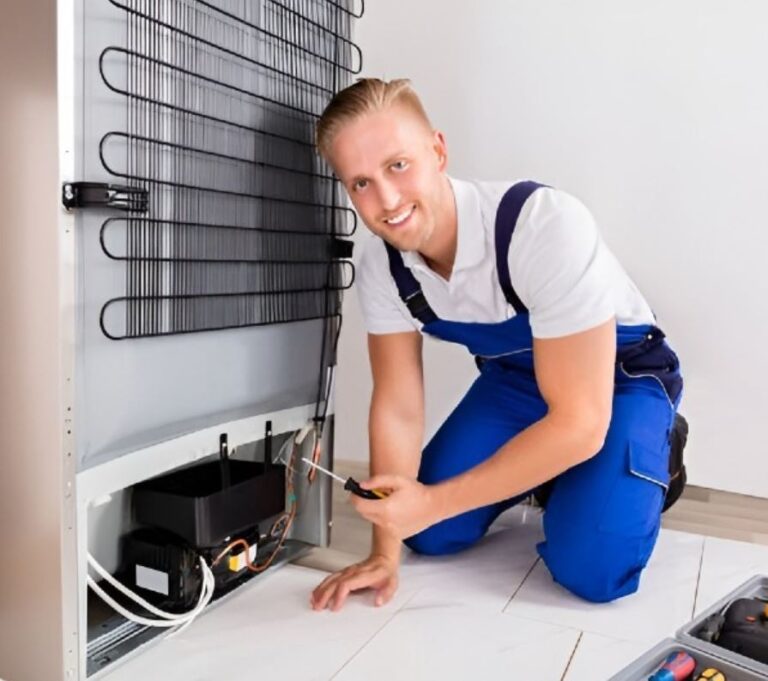
Professionals like One Hour Air Conditioning & Heating of North Shore inspect how the system behaves over time, not just whether it starts up. Airflow is measured. Heat output is checked. Cooling cycles are observed instead of being rushed. These checks catch problems before they turn into breakdowns, which is where stress and cost pile up fast.
Small Comfort Issues Are Usually Early Warnings
Heating and cooling systems almost never stop out of nowhere. They usually give plenty of signs, just not loud ones. A back bedroom never quite feels right anymore. The unit clicks on and off more than it used to. Sometimes there’s a light smell in the air that fades before you can place it. None of it feels serious enough to drop everything, so it gets pushed aside. Life fills the space, and the house adjusts around the problem.
The trouble is, these systems don’t fix themselves. When airflow weakens, the equipment works longer to make up for it. When parts start wearing down, the system keeps running instead of resting. Power use creeps up without much warning. By the time something finally breaks, it’s rarely sudden. The strain has been there for a while. Paying attention early keeps the house stable instead of constantly catching up.
Maintenance Is Not About Perfection
Maintenance gets misunderstood a lot. People picture it as tuning a system until it runs at some ideal level all the time, like a machine that never drifts. Real houses do not work that way. The aim is more practical. Components are kept reasonably clean. Air moves without fighting itself. Controls do what they are told without hesitation. When those basics hold, the system does not feel rushed or overworked, and the house settles into a steady rhythm.
There is also value in repetition. Seeing the same equipment over time creates context. A fan that takes longer to spin up, a unit that hums differently, a cycle that stretches a bit longer than last year, those details matter. Without that reference, every check becomes a best guess. Skipping maintenance feels harmless because nothing fails right away, but wear does not disappear. It waits, then shows up when timing is least forgiving.
Efficiency Is a Side Effect of Balance
People talk about efficiency like it is a feature you buy. In reality, it is usually a result of balance. When heating and cooling systems are clean, correctly sized, and allowed to operate within their design limits, efficiency follows naturally.
An unbalanced system wastes energy without looking broken. It runs longer cycles. It overshoots temperatures. It struggles during peak weather. Homeowners see this as higher bills with no clear cause. The fix is rarely one dramatic upgrade. It is usually a series of small corrections that bring the system back into alignment with the house it serves.
Technology Helps, But It Is Not the Fix
Smart thermostats and connected controls are everywhere now. They can be helpful, especially when you want to see how often a system runs or how temperatures drift during the day. But they only sit on top of the equipment. They do not move air, seal leaks, or ease worn parts. Sometimes they even make things worse. People start adjusting settings too often, chasing comfort minute by minute. That constant tinkering keeps the system from settling. Heating and cooling work best with steady habits. Technology should help you notice patterns, not turn the system into something you manage all day.
Living With a System You Can Trust
The real benefit of reliable heating and cooling is not comfort alone. It is mental space. You stop thinking about the thermostat. You stop wondering if today is the day something fails. The house fades back into the background, which is where it belongs.
That kind of reliability does not come from luck. It comes from paying attention early, getting the right eyes on the system, and accepting that steady care beats emergency fixes every time. Homes feel better when systems are treated as long-term infrastructure, not short-term problems to patch over. When heating and cooling systems work the way they should, you notice the house less. And honestly, that is the best outcome most homeowners never think to ask for.