The Hidden Mess After Home Improvements (And How to Fix It)
You think the hard part is over once the tools are packed up. The new cabinets shine. The floors look flawless. The paint dries to the perfect shade. It feels done.
It’s not.
The real mess usually starts after the visible work ends. I’ve walked into homes that looked photo ready at first glance. Then I ran a finger along the top of a door frame. Thick gray dust. Every time.
The Dust You Don’t See Still Counts
Drywall dust is sneaky. It settles into vents, behind outlet covers, inside light fixtures. It floats through the air for days after sanding stops. You won’t always notice it right away. But your lungs will.
I once saw a client struggle with constant sneezing after what should have been a dream kitchen upgrade. The surfaces looked clean. The countertops sparkled. But when we pulled the vent covers, a layer of fine powder coated the inside. That stuff circulates every time the HVAC kicks on.
Even the most careful construction contractors in Seattle can’t stop dust from traveling. It’s part of the process. Cutting, sanding, drilling. Microscopic particles go everywhere. That’s why post-project cleaning has to go deeper than a quick wipe-down.
Floors Take a Beating
New floors look perfect under bright lights. But look closer. Tiny scratches from leftover grit. Fine debris stuck in grout lines. Adhesive haze clinging to tile.
Standard mopping won’t fix that. In fact, it can make it worse. If dust remains on the surface, a damp mop turns it into a gritty paste. You grind it in. Now your brand-new flooring starts aging before you even move the furniture back.
Hardwood needs careful vacuuming with the right attachments. Tile needs detailed scrubbing along edges and corners. Carpet needs more than one slow pass. Not rushed. Slow. That’s where the difference shows.
Cabinets, Drawers, and the Inside Story
Most homeowners focus on what they can see. Countertops. Backsplash. Hardware. But open a drawer. Run your hand along the inside.
Saw that coming?
During a whole home renovation, dust and debris slip into every open cavity. Drawers sit open while workers install trim. Cabinet boxes stay exposed while painting happens nearby. The particles settle quietly and wait.
Weeks later, you line those drawers with fresh shelf paper and load them with dishes. Suddenly your plates feel gritty. That is not how a fresh start should feel.
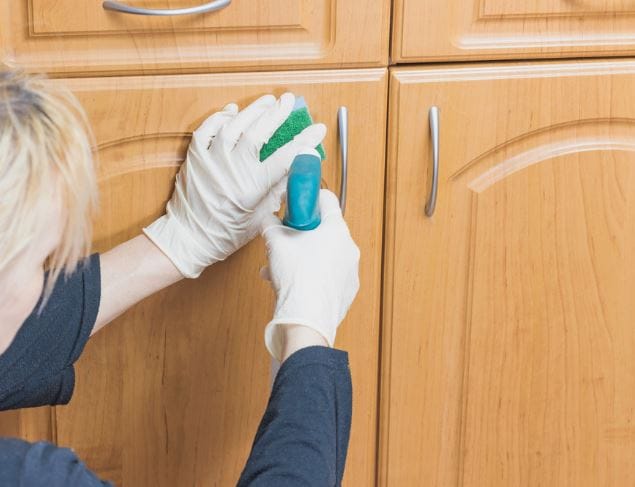
The fix is simple but time-consuming. Remove everything. Vacuum inside every cabinet. Wipe with a microfiber cloth that actually traps dust instead of spreading it around. Then wipe again. Yes, twice.
Windows and Fixtures Hold Onto More Than You Think
Paint overspray lands lightly on glass. It’s almost invisible until sunlight hits at the right angle. Then you see the speckles. Same with fine dust on light fixtures. It dulls the glow.
One time, after a bathroom remodel, a client told me the new vanity lights looked dim. They weren’t. The bulbs were coated in a thin film of construction residue. Five minutes of proper cleaning and the room looked brighter. Like someone turned up the wattage.
Details matter. Wipe down the tops of door frames. Clean the blades of ceiling fans. Remove vent covers and clean behind them. These aren’t glamorous tasks. They’re essential ones.
Air Quality Is the Real Test
Here’s the part most people ignore. Air.
You can vacuum floors all day long, but if your vents and returns are clogged with renovation dust, you’re breathing it in. That “new house smell” is often a mix of paint fumes and airborne debris. Not exactly comforting.
Replace air filters immediately after major work. Then check them again a few weeks later. You’ll be surprised how quickly they fill up. Consider a professional duct cleaning if the project was extensive. It’s not overkill. It’s smart.
I’ve seen families feel noticeably better after a thorough post-renovation clean. Fewer headaches. Less coughing. Better sleep. Clean air changes everything.
The Emotional Mess Is Real Too
No one talks about this part. Renovations are exciting. They’re also exhausting. Your routine gets disrupted. Rooms are off limits. There’s noise, clutter, decision fatigue.
By the time the project wraps up, most homeowners are done. They want to enjoy the space, not spend another weekend scrubbing baseboards.
That’s why the final clean matters so much. It’s the reset button. The shift from job site to home. From chaos to calm.
So How Do You Fix It Properly?
Start high and work down. Always. Dust falls, so tackle ceiling corners, light fixtures, and vents first. Use a vacuum with a HEPA filter. Not just any vacuum. One that traps fine particles instead of blowing them back into the room.
Use microfiber cloths and change them often. A dirty cloth just spreads residue. Clean in sections. Close the door when you finish a room so you’re not dragging dust back in.
And be patient. Post-construction cleaning takes longer than regular maintenance cleaning. Expect that. Plan for it.
The hidden mess after home improvements isn’t dramatic. It doesn’t shout. It lingers quietly in corners, inside vents, along baseboards. But once you deal with it properly, the difference is obvious.
The shine feels real. The air feels lighter. The space finally feels like yours.