Simple Steps To Care for Your Ears and Maintain Lasting Hearing Health
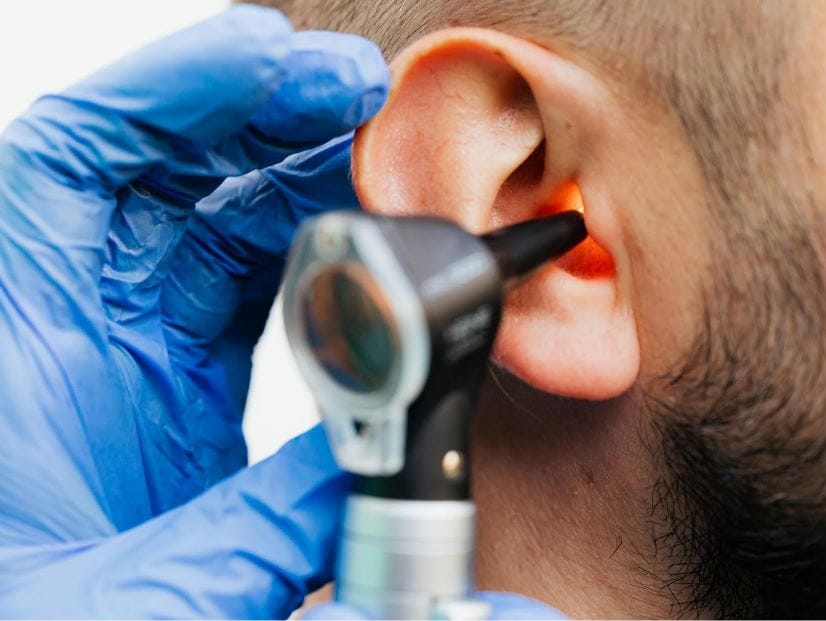
Hearing is one of our most vital senses, allowing us to connect, communicate, and experience the world around us. Ear and hearing health are often overlooked until problems arise. From listening to loud music through headphones to neglecting regular check-ups, small habits can lead to long-term hearing damage. Maintaining healthy ears doesn’t have to be complicated. With consistent care and mindful practices, you can preserve your hearing and reduce the risk of future issues. Here are some simple but effective steps you can take to care for your ears and ensure lasting hearing health.
Keep Your Ears Clean, But Avoid Overcleaning
Proper ear hygiene is critical for preventing infections and blockages, but many people make the mistake of cleaning their ears too aggressively. Earwax, or cerumen, plays a natural protective role. It traps dust and debris while preventing harmful bacteria from entering the ear canal. Inserting cotton swabs or other objects can push wax deeper inside, leading to impaction or even injury to the eardrum. As per Owl Hearing professionals, let your ears clean themselves naturally or use a gentle earwax removal solution recommended by a healthcare provider. If you notice persistent buildup or discomfort, visit a doctor rather than attempting to handle it at home.
Protect Your Ears from Excessive Noise
One of the most common causes of hearing loss is prolonged exposure to loud noise. Whether you attend concerts, work in noisy environments, or frequently use headphones, your ears may be subjected to harmful sound levels without you realizing it. The general rule is simple: if you have to shout to be heard by someone close to you, the noise is too loud. Use ear protection such as foam earplugs, custom-molded plugs, or noise-canceling headphones in high-volume settings. When using personal audio devices, keep the volume below 60% and limit listening time to no more than an hour at a stretch.
Be Mindful of Ear Health When Swimming or Showering
Moisture in the ear can lead to bacterial or fungal infections, commonly known as swimmer’s ear. This condition occurs when trapped water softens the skin inside the ear canal, creating an environment where germs thrive. To prevent this, always dry your ears thoroughly after swimming or bathing. Tilt your head to each side to let excess water drain out naturally, and consider using earplugs specifically designed for water activities. Avoid inserting foreign objects, such as cotton swabs, to dry your ears, as this can irritate them. If you frequently swim, using an over-the-counter drying solution after water exposure can help maintain a healthy ear canal environment.
Schedule Regular Hearing Check-Ups
Just as you would schedule annual eye exams or dental visits, regular hearing tests are an important part of preventive healthcare. Many people delay hearing evaluations until they notice significant loss, but by then, some damage may already be irreversible. Early detection allows healthcare professionals to identify issues before they worsen and offer appropriate treatments or hearing aids if necessary. Adults should ideally have a baseline hearing test by their mid-twenties and then continue with periodic check-ups every few years, depending on their risk factors. If you work in a noisy industry or frequently experience ringing in your ears (tinnitus), more frequent testing may be advised.
Maintain a Healthy Lifestyle for Better Ear Function
Your ears are affected by your health, meaning that diet, exercise, and lifestyle habits all play a role in hearing preservation. A balanced diet rich in vitamins A, C, E, and minerals like magnesium and zinc supports the delicate cells of the inner ear. Regular cardiovascular exercise promotes good blood circulation, which is crucial for keeping the auditory system supplied with oxygen and nutrients. Avoid smoking, as it restricts blood flow and can contribute to hearing loss. Managing chronic conditions like diabetes or high blood pressure is crucial since they can affect the tiny blood vessels that feed the inner ear.
Recognize Early Warning Signs and Take Action
Hearing loss can develop gradually, making it easy to overlook in its early stages. You might find yourself turning up the TV volume, asking people to repeat themselves, or feeling that conversations sound muffled. These subtle signs shouldn’t be ignored, as early intervention can significantly improve outcomes. If you notice ringing, buzzing, or pain in your ears, seek medical advice promptly. Some hearing problems, such as those caused by infections, earwax buildup, or temporary blockages, can be treated effectively if caught early. Taking proactive action protects your hearing and helps maintain your quality of life, communication, and confidence in social situations.
Your hearing health deserves the same level of care and attention as any other aspect of your well-being. By keeping your ears clean, protecting them from loud noise and moisture, scheduling regular check-ups, maintaining a healthy lifestyle, and addressing early symptoms promptly, you can ensure your hearing remains strong and clear for years to come. Prevention and awareness are key. Start incorporating these simple steps into your routine today, and your future self will thank you for preserving one of your most valuable senses.