Key Factors Influencing Commercial Roofing Performance

Commercial roofs endure constant stress from environmental exposure, structural loads, and operational activity. Their performance depends on a combination of design choices, material quality, installation standards, and maintenance strategies. When property owners understand these factors clearly, they make smarter decisions that extend service life and protect their investments. A strategic approach reduces unexpected failures and supports efficient building operation.
Quality Materials Build Strong Foundations
Material selection sets the tone for a roof’s durability and performance. High-grade membranes, insulation, and sealants resist UV radiation, temperature fluctuations, and moisture better than lower-quality alternatives. Reflective coatings improve energy efficiency, while reinforced layers enhance resistance to punctures and tears. Green roofs add insulation and help manage stormwater, while metal roofing systems deliver long-term strength with minimal maintenance. Choosing the right materials for the building’s location, climate, and function prevents premature wear and lowers long-term costs.
Professional Installation Ensures Structural Integrity
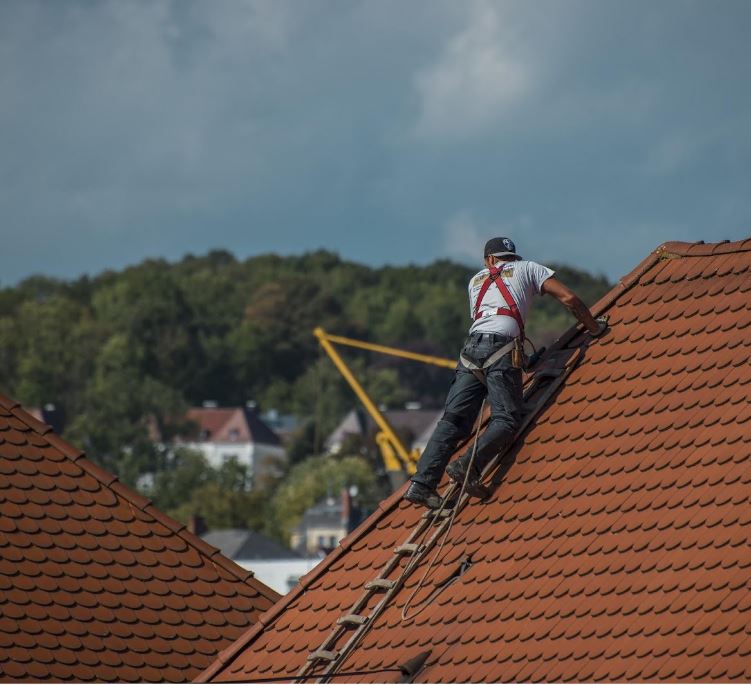
Even the best materials fail if installed poorly. Certified contractors bring the technical expertise needed to handle complex commercial roofing systems. They follow manufacturer specifications, ensure correct alignment, and use proper sealing techniques to eliminate weak points. Precision during installation prevents water intrusion, insulation gaps, and uneven loading that lead to early deterioration. Businesses that invest in professional roofing services secure not just materials but the workmanship that gives those materials their full potential. Consistent installation practices create reliable systems that stand up to harsh conditions.
Regular Inspections Catch Problems Early
Scheduled inspections form a critical part of long-term performance. Trained technicians identify early warning signs such as blistering, seam separation, or clogged drains before they develop into major issues. Thermal imaging reveals hidden moisture pockets that compromise insulation and structure. Addressing these issues early prevents costly repairs, protects interior spaces, and extends roof life significantly. A consistent inspection schedule aligns with seasonal changes and major weather events to maintain peak performance.
Preventive Maintenance Extends Service Life
Maintenance programs keep roofing systems in optimal condition. Cleaning debris from gutters and drains ensures proper water flow, while resealing flashings and penetrations keeps moisture out. Reapplying protective coatings when needed maintains energy efficiency and prevents surface degradation. Preventive maintenance costs far less than emergency repairs and protects warranties that require routine care. A well-maintained roof performs reliably and avoids disruptions that can affect business operations.
Climate And Environmental Conditions Matter
Local climate plays a major role in roof performance. Heavy rainfall, snow accumulation, high winds, and intense sunlight each create unique stress factors. Roofs in hot climates benefit from reflective coatings to reduce heat absorption, while cold-weather systems focus on insulation and ice dam prevention. Urban environments often require additional protection against pollutants and debris buildup. Matching roofing systems to environmental realities keeps structures resilient against predictable stressors.
Drainage Design Prevents Water Damage
Poor drainage accelerates roof deterioration. Standing water adds weight, encourages mold growth, and compromises structural components. Effective drainage designs include proper slopes, well-positioned drains, and overflow protection. Regular maintenance ensures these systems function as intended, preventing pooling after storms. A well-drained roof dries quickly, reducing the likelihood of leaks and preserving material integrity.
Planning For Longevity
Owners who view commercial roofing as a long-term investment make smarter decisions during each stage of the lifecycle. Upfront choices in design, material, and contractor selection influence decades of performance. Regular inspections and preventive maintenance sustain those early investments. Adjusting strategies based on environmental shifts or changing building use keeps the system aligned with real-world demands. A structured approach delivers reliability, energy savings, and reduced liability risks for property managers.
Commercial roofing performance depends on the interplay between materials, installation, inspections, and maintenance. Climate, drainage, and long-term planning reinforce that foundation. Businesses that prioritize quality and consistency build systems that protect assets and reduce operational costs. Smart decisions, early and steady attention through the lifecycle, keep commercial roofs performing at their best.