Is Your Company’s Waste Policy Costing You Money
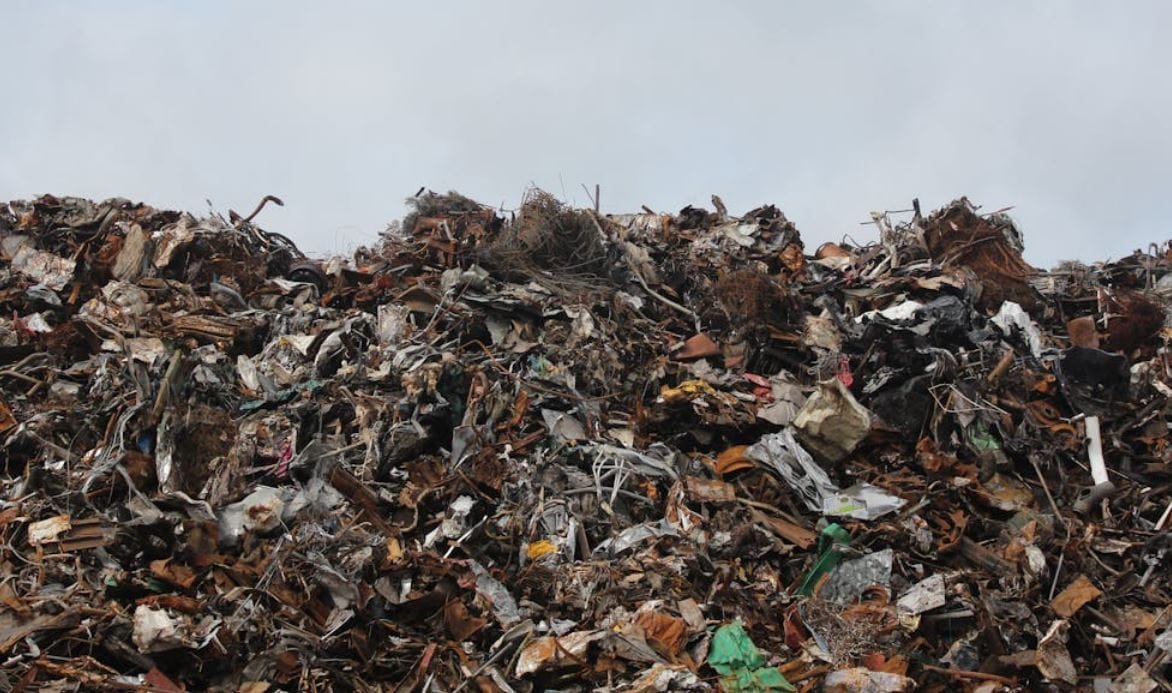
Every business generates waste. But here’s the thing most leaders miss: waste management isn’t just about compliance, it’s about cost. Too many companies stick with outdated disposal routines simply because “that’s how we’ve always done it”. And while bins get emptied and trucks keep rolling, money quietly slips through the cracks.
The question isn’t if your waste policy is costing you; it’s how much.
The Hidden Costs of Outdated Disposal Practices
Old-school waste policies often look simple on paper: one bin of trash, one for recyclables, and a contract with a local hauler. But simplicity can be deceiving.
When disposal systems aren’t optimized, companies end up paying more for landfill fees, extra pickups, and even contamination penalties. For example, if recyclables end up mixed with general waste, your provider might charge extra for sorting, or worse, send everything to landfill, inflating your cost and your cannon footprint.
And let’s not forget inefficiency. If your staff spends unnecessary time sorting materials, or if waste bins fill unevenly across locations, you’re not just wasting resources, you’re wasting wages and time. Multiply that across departments or branches, and the numbers start to sting.
Outdated waste systems also carry reputational costs. Customers, investors, and even potential employees are paying attention to sustainability practices. A sloppy waste policy doesn’t just hurt the planet; it can damage your credibility.
Modern Recycling Options That Save Time and Budget
Recycling technology has evolved fast, but many businesses haven’t caught up. From smart waste tracking to specialized collection programs, modern systems now focus on value recovery, finding profit in what was once tossed.
Partnering with certified recyclers who handle scrap metal, for instance, can turn what you used to pay to remove into a revenue stream. Construction firms, manufactures, and even retail operations generate valuable byproducts that can be sorted, weighed, and sold instead of dumped. The same goes for e-waste, pallets, and office equipment, items that hold resale or recycling potential when properly processed.
It’s not just about “being green.” It’s about being strategic. Companies that upgrade to smarter recycling programs often see measurable returns within months, reduced hauling costs, improved efficiency, and even tax incentives tied to sustainability initiatives.
Turning Sustainability Into a Business Advantage
For too long, sustainability was framed as an expense. In reality, it’s a competitive advantage hiding in plain sight.
A strong waste strategy signals efficiency, foresight, and accountability, all qualities that attract investors and customers alike. Plus, many procurement contracts now include environmental performance metrics. If your waste data is transparent and positive, you’re not just staying compliant, you’re staying competitive.
Here’s what sets top-performing companies apart: they treat waste as data. Every load collected tells a story of material flow, resource use, and missed opportunities. By measuring and managing that data, you can identify savings, negotiate better contracts, and even uncover new product streams.
Imagine pitching your next client with hard numbers showing how your operations cut waste by 30% while reducing disposal fees. That’s not just sustainability, it’s smart business.
Rethink Waste Before It Costs You More
The biggest mistake you can make is assuming your waste system is “good enough”. The reality is that the cost of standing still keeps rising; landfill fees, fuel surcharges, and environmental expectations all increase every year.
It’s time to treat waste management as a performance metric, not an afterthought. The companies that thrive in this new era aren’t just disposing of materials; they’re redefining what’s valuable.
And if you start looking closely, you might realize the biggest thing your waste policy is throwing away… is opportunity.