How to Remove Iron-On Patches from Clothing: A Complete Guide
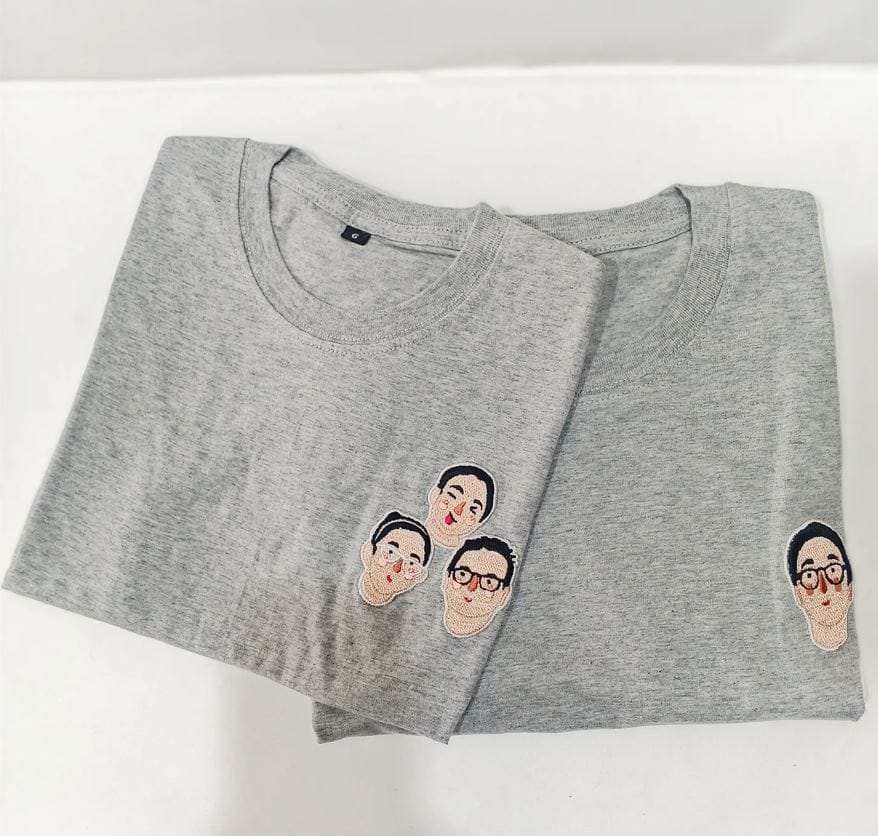
Iron-on patches are a fantastic way to mend tears, cover stains, or express personal style. But what happens when the patch gets damaged, you outgrow the design, or you simply want a change? Removing them can feel daunting, as you risk damaging the fabric underneath.
Fear not! With the right techniques, you can safely remove most iron-on patches and restore your garment. This comprehensive guide will walk you through multiple methods, from the simple application of heat to using common household products.
Understanding the Adhesive: Why It Sticks (And How to Un-Stick)
Before you begin, it’s helpful to know what you’re dealing with. Iron-on patches use a heat-activated adhesive, typically a thermoplastic polymer. As the name suggests, this adhesive melts with heat and bonds to the fabric fibers as it cools. To remove it, you need to reverse this process.
Expert Insight: “The key to successful patch removal is patience and the right application of heat. Rushing the process is the number one cause of fabric damage. You’re essentially re-melting the glue to break the bond, not tearing the patch away.” — Sarah Chen, Textile Restoration Specialist
Method 1: The Heat and Peel (Using an Iron)
This is the most common and often the first method to try, as it directly reverses the application process.
What You’ll Need:
- Iron
- Thin cloth (like a tea towel or pillowcase)
- Tweezers or a dull knife (like a butter knife)
- Parchment paper or a brown paper bag (optional)
Step-by-Step Instructions:
- Prepare Your Workspace: Lay the garment flat on an ironing board. If possible, turn it inside out.
- Apply Heat: Place the thin cloth over the patch to protect the fabric from direct heat. Set your iron to a medium-high heat setting (without steam) and press down firmly on the patch for 15-30 seconds.
- Test the Edge: Quickly lift the cloth and try to lift a corner of the patch with the tweezers or dull knife. Do not pull forcefully. If it doesn’t lift easily, apply more heat.
- Peel Slowly: Once the adhesive is soft, slowly and carefully peel the patch back. Apply heat to the next section as you go, reheating the adhesive as needed.
- Remove Residue: Any leftover glue residue can be tackled with the methods described later.
Method 2: The Steamy Solution (Using a Clothes Steamer)
A garment steamer is a gentler alternative to a direct iron, providing consistent, penetrating heat.
What You’ll Need:
- Garment steamer
- Tweezers or a dull knife
- Paper towels
Step-by-Step Instructions:
- Hang the Garment: Hang the item securely.
- Apply Steam: Hold the steamer head close to the patch and blast it with steam for 30-60 seconds, ensuring the adhesive gets thoroughly heated.
- Peel and Repeat: Use your tool to gently lift a corner. The patch should start to come away. If it resists, apply more steam until the glue releases.
Method 3: The Household Hero (Using a Hair Dryer)
No iron? No problem. A standard hair dryer can be an effective tool for this job.
What You’ll Need:
- Hair dryer
- Tweezers
- Oven mitt or cloth (to protect your hand from heat)
Step-by-Step Instructions:
- Concentrate Heat: Set the hair dryer to its highest heat setting. Hold it 2-3 inches from the patch and move it slowly back and forth to heat the adhesive evenly for 2-3 minutes.
- Check and Peel: Test a corner with the tweezers. If it lifts, continue peeling slowly while directing the heat at the area where the patch is still attached.
Dealing with Stubborn Glue Residue
Once the patch is off, you’ll often be left with a sticky, gummy residue. Here’s how to clean it up safely.
Effective Adhesive Removers:
- Rubbing Alcohol (Isopropyl Alcohol): Soak a cotton ball in rubbing alcohol and dab it onto the residue. Let it sit for a minute, then gently rub away the glue. Test on an inconspicuous area first, as alcohol can bleach some dyes.
- Commercial Adhesive Remover: Products like Goo Gone are highly effective. Follow the product instructions carefully, and always wash the garment afterward.
- Nail Polish Remover (Acetone): Use with extreme caution! Acetone is very strong and can damage synthetic fabrics like polyester or acetate. It is best used on 100% cotton or denim. Always test first.
- Vinegar Solution: A 1:1 mix of white vinegar and water can help break down milder residue. Soak the area and scrub with an old toothbrush.
Comparison of Removal Methods
Choosing the right method depends on the tools you have and the fabric you’re working with.
| Method | Best For | Pros | Cons |
|---|---|---|---|
| Iron & Cloth | Denim, canvas, thick cotton | Highly effective, uses common household tools | High risk of burns, can scorch delicate fabrics |
| Garment Steamer | Delicate fabrics, wool, silk | Gentle, less risk of scorching, even heat | Process can be slower, requires a steamer |
| Hair Dryer | Quick jobs, all fabric types | Accessible tool, good control | Can take longer, may not work on heavy-duty adhesive |
Comparison of Residue Removal Solutions
| Solution | Best For | Precautions | |
|---|---|---|---|
| Rubbing Alcohol | Most common fabrics (test first!) | Fast-acting, evaporates quickly | Can bleach dark colors; always do a spot test |
| Commercial Adhesive Remover | Heavy, stubborn glue residue | Very powerful and effective | Often contains strong chemicals; requires thorough washing |
| Vinegar Solution | Delicate fabrics, mild residue | Natural, non-toxic, and safe | May require multiple applications for tough glue |
Final Tips for Success
- Always Test First: Whatever method or cleaning solution you use, always test it on a hidden seam or inside label first.
- Patience is Key: Work slowly. If you force the patch, you risk tearing the fabric.
- Wash Afterwards: Once the patch and residue are gone, wash the garment according to its care label to remove any last traces of the cleaning agents.
By following this guide, you can confidently remove unwanted iron-on patches and give your favorite clothing a new lease on life.