How to Remove Iron-On Patch Glue From Fabric: A Complete Guide
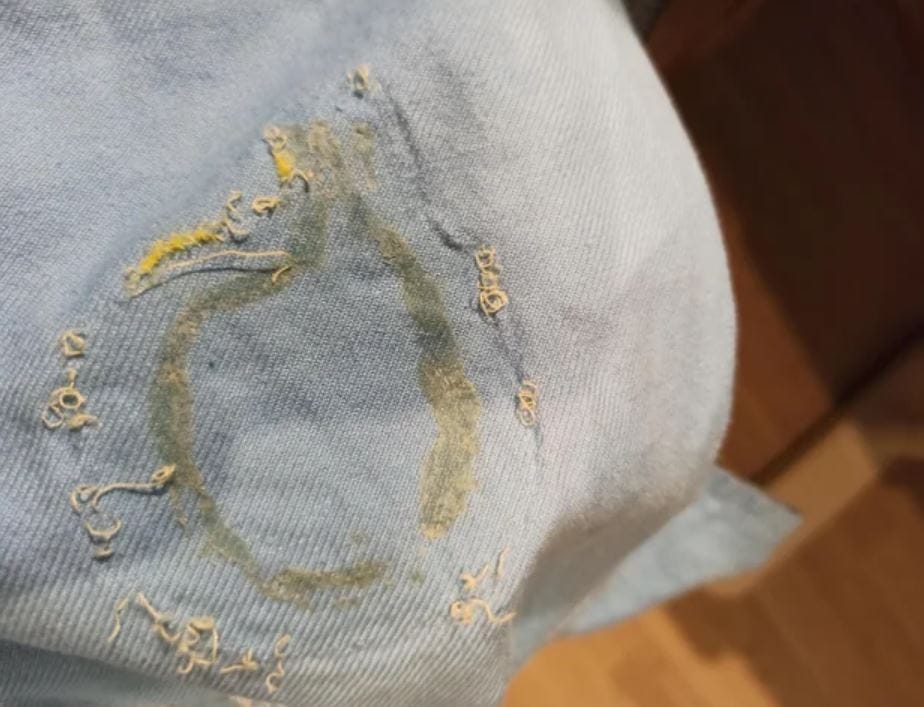
Iron-on patches are a fantastic way to personalize clothing, cover holes, or show off your style. But what happens when a patch is applied crookedly, starts to peel, or you simply want to change up your look? The stubborn residue left behind can be a sticky, frustrating problem.
Removing iron-on patch glue from fabric doesn’t have to be a nightmare. With the right techniques tailored to your fabric type, you can restore your garment to its former glory. This comprehensive guide will walk you through the most effective methods, from using simple heat to specialized commercial products.
“The key to successful glue removal is understanding the adhesive you’re dealing with. Most iron-on patches use a thermoplastic polyurethane (TPU) adhesive, which is designed to melt with heat and re-solidify when cool. This is why heat is your primary tool for both application and removal,” explains a textile care specialist.
Understanding the Adhesive and Your Fabric
Before you begin, always check the garment’s care label. The method you choose will heavily depend on the fabric type.
- Delicate Fabrics (Silk, Wool, Acetate): Require gentle, cold methods. Avoid high heat and harsh chemicals.
- Sturdy Fabrics (Denim, Canvas, Cotton): Can tolerate higher heat and stronger solvents like rubbing alcohol.
- Synthetic Fabrics (Polyester, Nylon): Be cautious with heat, as too much can melt the fabric itself. Test solvents on an inconspicuous area first.
Method 1: The Heat and Peel Technique (Ideal for Sturdy Fabrics)
This method re-melts the adhesive, making it easy to wipe away.
What You’ll Need:
- Iron
- Parchment paper or a thin cloth
- Tweezers or a blunt knife
- Paper towels
Step-by-Step Process:
- Prepare the Area: Place the garment on your ironing board. If possible, turn it inside out so you are working on the back of the glue residue.
- Apply Heat: Cover the glue residue with a piece of parchment paper. Set your iron to a medium-high heat setting (no steam) and press down firmly for 15-30 seconds. This will re-melt the adhesive.
- Scrape and Wipe: Quickly lift the parchment paper and, using a blunt knife or tweezers, gently scrape the softened glue. Use a clean paper towel to wipe away the melted residue. Be careful not to burn yourself.
- Repeat: You will likely need to repeat this process several times, moving to a clean section of the paper towel each time, until the glue is gone.
Method 2: The Rubbing Alcohol Solvent (Great for Most Fabrics)
Isopropyl alcohol (rubbing alcohol) is excellent for breaking down adhesive bonds without being overly harsh.
What You’ll Need:
- 70-99% Isopropyl Alcohol
- Cotton balls or a clean cloth
- Blunt knife or credit card
- Dish soap
Step-by-Step Process:
- Test First: Dab a small amount of rubbing alcohol on an unseen part of the garment (like an inside seam) to ensure it doesn’t cause discoloration.
- Scrape Excess: Gently scrape off any large, thick chunks of glue with a blunt knife.
- Soak and Dab: Soak a cotton ball in rubbing alcohol and press it onto the glue residue. Let it sit for a minute to dissolve the adhesive.
- Wipe Away: Use the cotton ball to wipe away the glue. You may need to apply fresh alcohol and repeat several times.
- Wash: Once the residue is gone, wash the area with a little dish soap and water to remove any remaining alcohol and adhesive, then launder the garment as usual.
Method 3: The Oil-Based Method (Safe for Delicates)
Oils can break down glue without the risks associated with heat or strong solvents.
What You’ll Need:
- Coconut oil, olive oil, or Goo Gone
- Dish soap (Dawn is highly recommended)
- Cotton ball or cloth
Step-by-Step Process:
- Apply Oil: Rub a small amount of your chosen oil directly onto the glue residue. Let it sit for 15-30 minutes to penetrate the adhesive.
- Scrub Gently: Use your fingers or a soft-bristled toothbrush to gently work the oil into the glue. You should see it start to ball up.
- Emulsify and Wash: The crucial step here is to remove the oil. Apply a generous amount of dish soap directly to the oily area and scrub. The soap will bind with the oil and glue, allowing it to be washed away with water.
- Launder: Wash the garment as you normally would. You may need to repeat the process for heavy residue.
Comparison of Glue Removal Methods
The best method for you depends on your fabric and what tools you have on hand. Use this table for a quick comparison.
| Method | Best For | Pros | Cons |
|---|---|---|---|
| Heat & Peel | Denim, Canvas, Cotton | Uses common household tools; effective for large areas. | Risk of burning fabric or yourself; not for synthetics or delicates. |
| Rubbing Alcohol | Cotton, Polyester, Blends | Fast-acting; evaporates quickly; very effective. | Can bleach or damage some fabrics; strong smell; requires testing. |
| Oil-Based | Silk, Wool, Delicate Synthetics | Very gentle on fabrics; uses kitchen ingredients. | Can leave an oily stain if not properly washed out; slower process. |
| Commercial Adhesive Removers | Heavy-duty jobs on sturdy fabrics | Powerful and specifically designed for the task. | Often contain harsh chemicals; can be expensive; requires ventilation. |
What to Avoid
- Nail Polish Remover (Acetone): This is far too harsh for most fabrics and will likely dissolve dyes or damage synthetic fibers.
- Scraping Aggressively: Using a sharp blade or excessive force can tear the fabric threads.
- Using the Iron Without a Barrier: You will melt glue directly onto your iron’s soleplate, creating a bigger mess.
Final Tips for Success
- Patience is Key: Rushing the process can lead to permanent damage.
- Always Test First: No matter the method, always test it on a hidden area of the garment.
- Wash Afterwards: Always launder the garment after treatment to remove any lingering residue from the glue or cleaning agents.
By following these tailored methods, you can confidently tackle that sticky iron-on patch glue and give your favorite garments a fresh start.