How To Pet-Proof Your Home Without Sacrificing Style
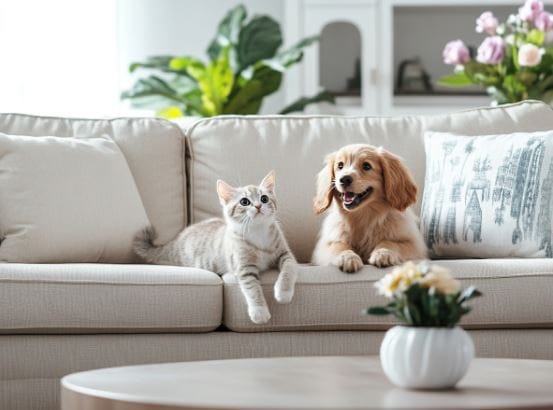
Living with pets doesn’t mean your home has to look like a mess. You can still have a space that feels clean, comfortable, and well put together. The key is making smart choices that protect your home without giving up the style you like. You don’t need to cover your furniture in sheets or pack away every breakable item. You just need a setup that works for real life.
Start With What Gets the Most Use
Pets don’t care how much something costs. If it’s soft or smells interesting, they’ll use it. That’s why you should start with what they touch the most. Floors, rugs, and low furniture take the brunt of the wear, so those are good places to begin.
Choose materials that are easy to clean and hard to damage. Flat-weave rugs in dark colors or patterns hide dirt and shed hair better than plush ones. Skip shag rugs entirely. They trap everything and are harder to vacuum. When choosing a sofa, go for tightly woven or coated fabrics that won’t snag or stain easily.
If you’re planning to get a dog soon, preparing ahead of time makes things easier. Many people begin their search online, and it helps to look into where to buy a dog online while also planning for the space they’ll live in. Breed and energy level matter, especially when you’re setting up a home that has to stay both functional and clean. If it’s your first time, it also helps to learn what responsible dog ownership really looks like so you can avoid common mistakes.
Keep Pet Gear Out of Sight
Every pet comes with stuff that piles up fast. Without a place to put everything, it ends up scattered across the house. Instead of stuffing it all into a drawer, give it a dedicated spot that makes sense for your space. You can stay organized without giving up your style.
A storage bench near the door is a good start. You can stash towels, bags, and spare leashes where they’re easy to grab but out of view. In living areas, baskets are a smart option for toys and small items. Choose ones that match your room so they don’t stand out. Adding covered trash cans nearby also helps prevent curious pets from getting into things they shouldn’t.
Feeding areas should stay clean, too. Raised bowls with sealed storage underneath keep things neat. They also help avoid spills and make it easier to keep track of supplies. For those using pee pads or managing a litter box, keeping both in a low-traffic, easy-to-clean corner makes daily maintenance a lot simpler. The less cluttered your space feels, the more relaxed the home environment becomes for you and your pet.
Make a Spot That’s Just Theirs
Every pet needs a place to relax. Giving them a set space helps with behavior and keeps the rest of the house in order. It doesn’t have to be hidden or tucked away. With the right setup, it can fit right into your home.
Pick a quiet spot in a room you use often. Pets like being near people, but they also need space. Choose a bed that matches your style. Avoid bright patterns and loud colors. Go for something neutral and simple. Some brands offer designs that blend in with your furniture.
If you’re crate training, treat the crate like a real part of the room. Covered crates or wooden frames can double as side tables or fit neatly into a corner. Pets settle faster when they know where their space is, especially in busy homes with noise and movement. You can also use pet gates to limit access to certain areas or protect rooms with household plants, fragile decor, or hazardous items.
Protect What Matters Without Hiding It
You don’t need to pack up your house, but it makes sense to move anything fragile or valuable out of reach. Some things just aren’t worth risking while your pet is still adjusting. It’s better to protect them now than regret it later.
Move breakables to higher shelves. If you have house plants, double-check that they’re safe for animals. Many popular varieties are actually toxic plants, even in small amounts. Hanging pots and tall stands work well. Also, keep an eye on electrical cords, dangling wires, and any exposed electric cords, especially in rooms where your pet spends a lot of time.
If your furniture needs extra protection, use fitted covers that match your space. Some are made to look like part of the design, not just a quick fix. And if you have something that really matters to you, like a handmade rug or antique furniture, it’s fine to store it for now and bring it back later.
Decorate for Real Life
Style still matters, but now your choices need to handle a little more wear. Look for pieces that hold up to daily mess without looking worn out. Low-pile rugs, sealed wood, and metal furniture legs tend to last longer. Loose fabric or anything too delicate will show wear faster.
Throw pillow covers and blankets should be machine washable. If they’re not, skip them. Use wall hooks to keep leashes and gear off the floor. Storage ottomans work well in small spaces. They hide supplies and add extra seating. This is a good time to consider small home upgrades that make cleaning faster, like stain-resistant finishes or built-in storage.
Keep decor solid and simple. Avoid anything that tips easily or falls apart. Heavier pieces stay put, even when your dog decides to do laps around the living room. Store household cleaners and cleaning supplies in locked cabinets or up high to avoid accidents. Many of these products are toxic items that can harm pets, even in small doses.
Final Words
Pet-proofing doesn’t mean you have to settle for less. It means making smart changes that let your home stay clean, calm, and yours. You can still have the look you want, even with a dog or cat in the mix. With the right setup, you’ll spend less time cleaning up and more time enjoying your space and your pet. These changes don’t just make life easier; they make you a more confident and prepared pet parent.