How to Grow and Care for Alocasia ‘Dragon Scale’
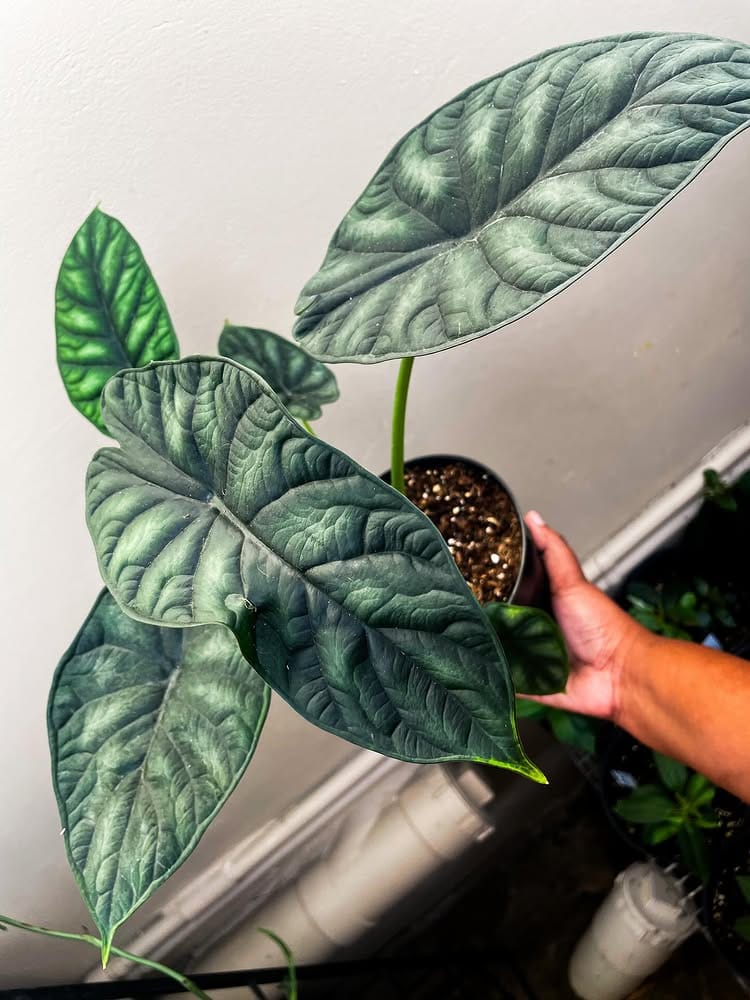
The Alocasia Dragon Scale (Alocasia baginda ‘Dragon Scale’) is more than just a houseplant; it’s a living work of art. With its mesmerizing, textured leaves that mimic the mythical scales of a dragon, this plant has captured the hearts of collectors worldwide. While it has a reputation for being fussy, with the right knowledge, you can successfully cultivate this stunning tropical jewel.
This ultimate guide will walk you through everything you need to know about Alocasia Dragon Scale care, from perfecting its environment to troubleshooting common problems.
Why the Alocasia Dragon Scale is So Coveted
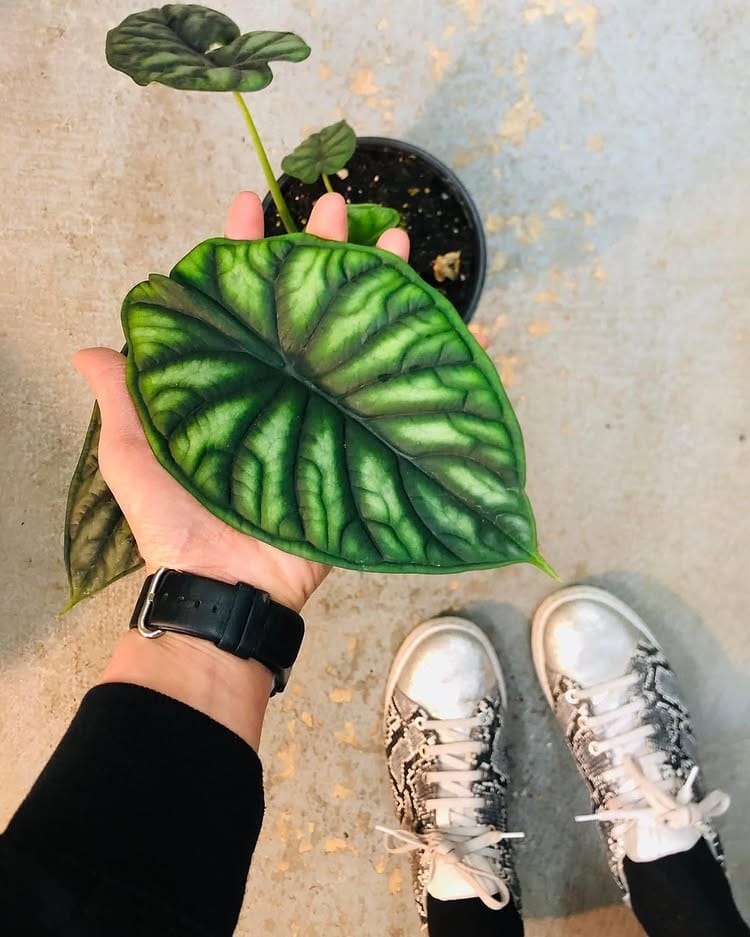
Native to the rainforests of Southeast Asia, the Dragon Scale is an understory plant, meaning it naturally grows in filtered light on the forest floor. Its most striking feature is its large, heart-shaped leaves. The top surface is a shimmering, silvery-green with dark green veins that create a deep, quilted texture. The underside is a contrasting maroon or purple, adding to its dramatic appeal.
As one horticulturist puts it:
“The Alocasia Dragon Scale isn’t just about foliage; it’s about texture and presence. It teaches a gardener patience and the art of observing subtle needs.”
The Complete Care Guide for Your Dragon Scale
Caring for this plant is about replicating its natural habitat as closely as possible. Focus on these five key pillars.
1. Light: The Key to Vibrant Leaves
Ideal Condition: Bright, indirect light. Think of the dappled sunlight under a jungle canopy.
- Too much direct sun will scorch and yellow the beautiful leaves, leaving permanent marks.
- Too little light will lead to leggy growth, small leaves, and loss of its vibrant coloration.
- Best Placement: An east-facing window is perfect. A south or west-facing window can work if the plant is placed several feet away or behind a sheer curtain.
2. Watering: Avoiding the Dreaded Soggy Feet
This is the most critical aspect of care and where most beginners go wrong. Your goal is consistently moist but never waterlogged soil.
- The Finger Test: Before watering, stick your finger 1-2 inches into the soil. If it feels dry, it’s time to water. If it’s still moist, wait a day or two.
- Water Thoroughly: When you water, do so thoroughly until water runs out of the drainage holes. Always empty the saucer or cache pot afterward to prevent root rot.
- Water Quality: Alocasias can be sensitive to chemicals in tap water. Using filtered, distilled, or rainwater can prevent brown leaf tips.
3. Humidity & Temperature: Creating a Tropical Microclimate
As a tropical plant, the Dragon Scale thrives in warm, humid conditions.
- Humidity: Aim for 60% humidity or higher.
- To Increase Humidity: Use a humidifier (most effective), place the plant on a pebble tray with water, or group it with other humidity-loving plants.
- Low humidity can lead to crispy, brown leaf edges.
- Temperature: Keep temperatures between 65°F – 80°F (18°C – 27°C). Avoid cold drafts, air conditioners, and heating vents, as sudden temperature drops can cause stress.
4. Soil & Potting: The Foundation of Health
A well-draining, airy potting mix is non-negotiable. A dense, moisture-retentive soil will suffocate the roots and cause rot.
Recommended DIY Soil Mix:
- 2 parts Regular Potting Mix
- 1 part Orchid Bark (for aeration)
- 1 part Perlite (for drainage)
- A handful of Horticultural Charcoal (to keep the soil fresh)
Ensure your pot has ample drainage holes. Terracotta pots are excellent because they are porous and help wick away excess moisture.
5. Feeding: Fueling Magnificent Growth
Feed your Alocasia during its active growing season (spring and summer).
- Fertilizer: Use a balanced, water-soluble fertilizer (e.g., 10-10-10 or 20-20-20) diluted to half-strength.
- Frequency: Feed every 3-4 weeks.
- Dormancy: Stop fertilizing in fall and winter when growth naturally slows down. Over-fertilizing can burn the sensitive roots.
Common Problems and Solutions: A Troubleshooting Guide
| Problem | Likely Cause | Solution |
|---|---|---|
| Yellowing Leaves | Overwatering, poor drainage, or natural senescence (older leaves). | Check soil moisture. Ensure pot has drainage. If it’s one old leaf, it’s likely normal. |
| Brown, Crispy Leaf Edges | Low humidity or underwatering. | Increase humidity with a humidifier. Check your watering schedule. |
| Drooping Leaves | Underwatering, overwatering, or shock from repotting. | Assess soil to determine if it’s too wet or too dry. If recently moved, give it time to acclimate. |
| Pests (Spider Mites, Mealybugs) | Dry, stagnant air. | Wipe leaves with a neem oil or insecticidal soap solution. Increase humidity and air circulation. |
Alocasia Dragon Scale vs. Similar Varieties
It’s easy to confuse the Dragon Scale with its cousins. Here’s a quick comparison:
| Feature | Alocasia Dragon Scale | Alocasia Silver Dragon | Alocasia Black Velvet |
|---|---|---|---|
| Leaf Color | Silvery-green with dark green, deeply textured veins. | More uniform silvery-gray with faint dark veins. | Jet black background with striking silvery-white veins. |
| Texture | Highly textured, scaly, and quilted. | Textured, but slightly less “puffy” than Dragon Scale. | Soft, velvety matte finish. |
| Leaf Underside | Maroon or purple. | Greenish or light maroon. | Solid green. |
| Care Level | Intermediate | Intermediate | Intermediate |
Propagation: How to Multiply Your Dragon
The most reliable way to propagate an Alocasia Dragon Scale is through division of its rhizomes (underground stems).
- Best Time: Do this when you repot your plant in the spring or early summer.
- The Process: Gently remove the plant from its pot and brush away the soil. You should see several corms or offsets connected to the main rhizome.
- Separate: Using a clean, sharp knife, carefully separate an offset that has at least one or two leaves and its own root system.
- Repot: Plant the new division in a small pot with your well-draining soil mix. Care for it as you would a mature plant, keeping it in a warm, humid spot.
Final Thoughts
The Alocasia Dragon Scale is a rewarding plant that offers an unparalleled aesthetic. While it demands attention to detail—particularly regarding water, light, and humidity—its care routine becomes intuitive with time. By providing a stable, tropical-like environment, you will be rewarded with a breathtaking specimen that is truly the dragon of your indoor jungle.