How to Deep Clean Your Futon Mattress
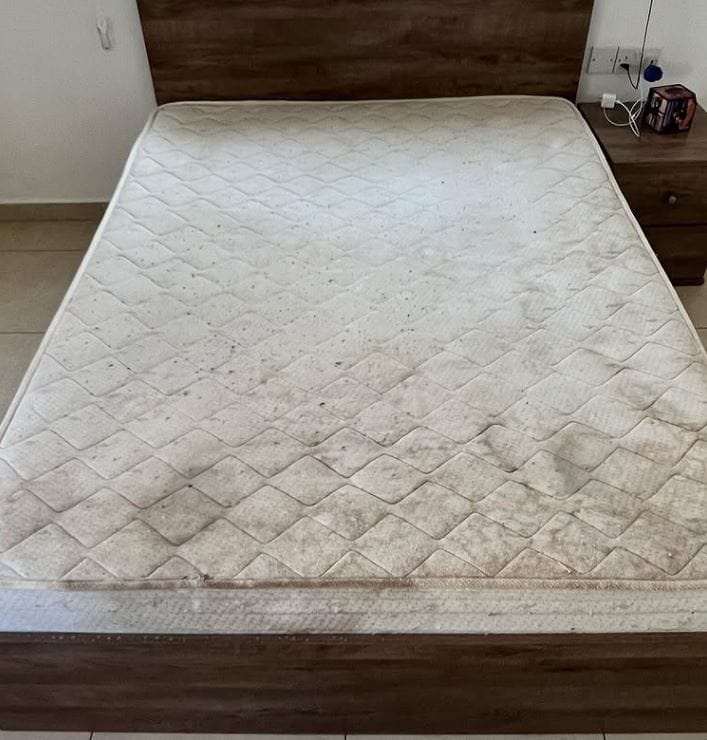
Futons are the unsung heroes of small-space living. They transform from couch to bed in seconds, accommodate guests, and provide a minimalist aesthetic. But here’s the problem: futon mattresses are notoriously difficult to clean.
Unlike traditional mattresses, futons are often thinner, made of layered cotton, polyester, or foam, and they cannot always be thrown into a washing machine. The result? Lingering odors, dust mites, and embarrassing stains.
In this guide, we’ll walk you through how to clean every type of futon mattress—from cotton to foam—using methods that actually work. Whether you are dealing with coffee spills, pet accidents, or general wear, this is the only resource you will need.
Why Futon Mattresses Need Special Care
Futon mattresses absorb moisture and odors faster than standard innerspring mattresses. Because they are frequently folded, crumbs and debris settle deep into the creases. Regular vacuuming helps, but deep cleaning is essential every 3–6 months depending on usage.
Step 1: Identify Your Futon Type
Before cleaning, check the tag. Different materials require different approaches.
| Mattress Type | Material | Water Safe? | Best Cleaning Method |
|---|---|---|---|
| Cotton Futon | 100% layered cotton | No | Spot clean + sun drying |
| Polyester Blend | Synthetic fibers | Moderate | Upholstery shampoo + steam |
| Foam Futon | Memory foam / polyfoam | No | Baking soda + vacuum |
| Removable Cover Futon | Zip-off outer shell | Yes | Machine wash cover separately |
| Waterproof/Water-Resistant | Coated fabric | Yes | Mild soap + damp cloth |
⚠️ Never submerge foam or cotton futons in water. It causes mildew, clumping, and permanent damage.
Step 2: Daily and Weekly Maintenance
Consistency is the secret to a fresh futon.
- Vacuum weekly: Use an upholstery attachment. Focus on seams, folds, and corners.
- Fluff daily: After waking up, flip or fold the futon to release moisture.
- Air out: Once a week, unfold the futon completely and let it breathe for a few hours.
- Rotate: Flip the mattress every 2 weeks to prevent uneven sagging.
Step 3: Deep Cleaning Methods (By Futon Type)
A. Cotton and Polyester Blend Futons
Cotton is absorbent—this is both a strength and a weakness.
What you need:
- Upholstery cleaner or mild dish soap
- White vinegar
- Spray bottle
- Microfiber cloths
- Soft brush
Instructions:
- Vacuum thoroughly on both sides.
- Mix cleaning solution: 1 cup warm water + 1 tablespoon dish soap + 1 tablespoon white vinegar.
- Spot test in a hidden area.
- Spray lightly onto stains. Do not soak.
- Blot with a cloth—never rub.
- Use a soft brush for embedded dirt.
- Air dry completely before folding. Use a fan or place in direct sunlight (UV kills bacteria).
B. Foam Futons
Foam acts like a sponge. Liquid cleaning will destroy it.
What you need:
- Baking soda
- Vacuum with upholstery tool
- Enzyme cleaner (for organic stains like urine)
Instructions:
- Remove all bedding.
- Sprinkle baking soda generously over the entire surface.
- Let sit for 4–6 hours (overnight is better).
- Vacuum thoroughly.
- For stains: Use enzyme cleaner sparingly. Spray, blot, repeat. Dry immediately with hair dryer on cool setting.
C. Futons with Removable Covers
This is the easiest scenario.
Instructions:
- Unzip and remove cover.
- Machine wash cold on gentle cycle.
- Air dry or tumble dry low. High heat shrinks cotton covers.
- While cover is off, vacuum the inner mattress and sprinkle with baking soda.
Step 4: Tackling Specific Stains
| Stain Type | Solution | Method |
|---|---|---|
| Coffee / Tea | White vinegar + dish soap | Blot, spray, blot. Repeat. |
| Red Wine | Salt + club soda | Blot wine, cover with salt, scrape, blot. |
| Urine / Pet | Enzymatic cleaner | Saturate stain, wait 15 min, blot. |
| Blood | Cold water + hydrogen peroxide | Dab, do not rub. |
| Grease / Oil | Cornstarch or baking soda | Sprinkle, wait 30 min, vacuum. |
| Mold / Mildew | Rubbing alcohol + water (1:1) | Dab, dry in sun. |
Step 5: Deodorizing and Sanitizing
Even if there are no visible stains, futons trap odors.
Natural deodorizer recipe:
- 1 cup baking soda
- 10 drops lavender or tea tree essential oil
Mix, sprinkle, let sit for 2 hours, vacuum.
Steam cleaning (polyester blends only):
Use a handheld steamer. Keep nozzle 3–4 inches away. Do not saturate. Steam kills dust mites and refreshes fibers.
Step 6: Drying—The Most Important Step
A damp futon is a breeding ground for mold.
Drying methods ranked:
| Method | Time | Effectiveness | Risk |
|---|---|---|---|
| Sunlight | 2–4 hours | ⭐⭐⭐⭐⭐ | None |
| Fan + open window | 4–6 hours | ⭐⭐⭐⭐ | Low |
| Hair dryer | 15–30 min | ⭐⭐⭐ | Overheating |
| Dehumidifier | 2–3 hours | ⭐⭐⭐⭐⭐ | None |
| Enclosed drying | >12 hours | ⭐ | High (mildew) |
Rule: If it feels cool to the touch, it is still damp. Wait longer.
Step 7: When to Replace Your Futon Mattress
Deep cleaning extends life, but it is not permanent.
Replace your futon if:
- The mattress has a permanent sag or lump.
- You smell mustiness even after cleaning.
- Stains have penetrated through to the core.
- It is over 7–10 years old (cotton futons degrade faster than foam).
Comparison: Professional Cleaning vs. DIY
| Factor | DIY | Professional |
|---|---|---|
| Cost | $10–$30 (supplies) | $80–$150 per session |
| Time | 4–8 hours (includes drying) | 2–3 hours (they bring equipment) |
| Effectiveness | Good for maintenance | Excellent for deep sanitation |
| Risk of damage | Low if instructions followed | Very low |
| Best for | Spot cleaning, regular upkeep | Heavy soiling, allergies |
Verdict: DIY every 3 months. Hire a professional once a year if you have pets, children, or allergies.
Frequently Asked Questions
Q: Can I put my futon mattress in a washing machine?
A: Only if the tag explicitly says machine washable. Most futons are too bulky and will damage the machine or the mattress.
Q: How do I clean a futon after bed bugs?
A: This requires professional heat treatment. DIY methods rarely eradicate bed bugs completely.
Q: Does baking soda actually remove odors?
A: Yes. It absorbs moisture and neutralizes acids that cause smells. It does not disinfect, but it refreshes.
Q: How often should I clean my futon?
A: Vacuum weekly. Deep clean every 3 months. Immediate stain treatment always.
Final Checklist for Futon Cleaning
✅ Identify mattress material
✅ Vacuum all surfaces and crevices
✅ Spot clean stains immediately
✅ Use baking soda for deodorizing
✅ Dry completely before use
✅ Rotate and air out weekly
✅ Consider professional cleaning annually
Conclusion
A clean futon mattress means better sleep, fewer allergies, and a longer-lasting piece of furniture. Whether you own a traditional cotton shikibuton or a modern foam tri-fold, the principles remain the same: gentle cleaning, no soaking, and thorough drying.
Bookmark this guide. Share it with guests who crash on your futon. And remember—your futon works hard for you. Return the favor with proper care.