How to Clean Wooden Blocks Toys: The Ultimate Safe & Natural Guide
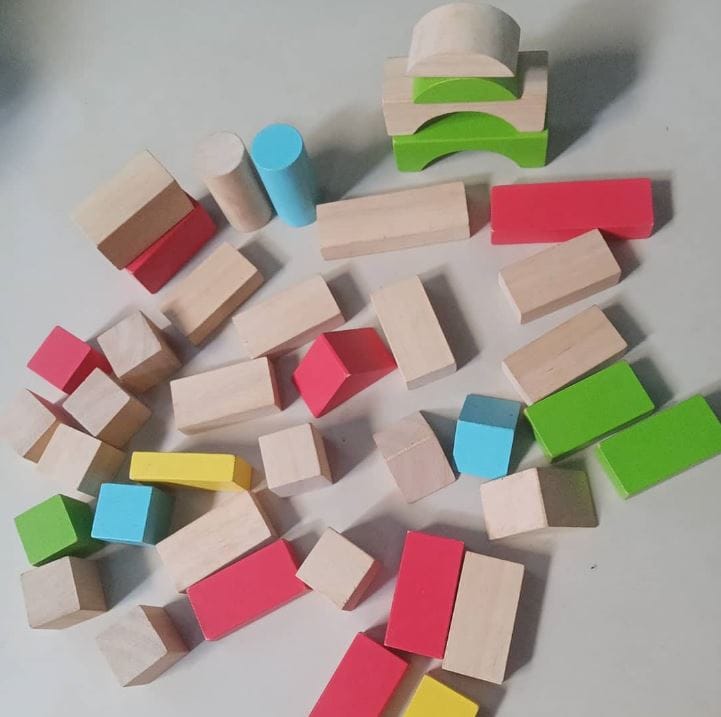
Wooden blocks are a timeless childhood staple—durable, eco-friendly, and perfect for open-ended play. But unlike plastic toys, you can’t just toss them in the dishwasher. Improper cleaning can cause cracking, warping, or bacterial growth.
This guide provides a science-backed, step-by-step method to sanitize wooden blocks without damaging the wood or harming your child.
Why Wooden Blocks Require Special Care
Wood is porous. When submerged in water or harsh chemicals, it absorbs moisture, leading to:
- Swelling & warping (blocks no longer stack evenly).
- Cracking (crevices trap bacteria).
- Stripped finishes (paint or sealant may leach toxins).
Key principle: Clean without saturation. Think “damp cloth,” not “soapy bath.”
Quick Reference: Cleaning Method by Block Type
| Block Type | Daily Spot Clean | Deep Clean (Monthly) | Avoid |
|---|---|---|---|
| Unfinished / Raw Wood | Dry microfiber cloth | Damp cloth + diluted vinegar (air dry fully) | Soaking, steam |
| Sealed (wax/oil) | Damp cloth + mild soap | Same + sanitize with 3% hydrogen peroxide | Alcohol, bleach |
| Painted / Printed | Dry cloth only | Damp cloth with 1 drop dish soap | Scrubbing, abrasive pads |
| Montessori / Natural | Vinegar-water spray (50/50) | Sunlight exposure + soft brush | Dishwasher, boiling |
Step-by-Step: How to Clean Wooden Blocks Toys (Safe for Babies & Toddlers)
Phase 1: Daily Maintenance (1–2 minutes)
- Inspect – Remove blocks with visible dirt, sticky residue, or mold spots.
- Dry dust – Use a soft paintbrush or dry microfiber cloth to remove dust and crumbs.
- Spot clean – Dampen a cloth with 1 part white vinegar + 3 parts water. Wring until almost dry. Wipe each block individually.
Phase 2: Deep Cleaning (Every 2–4 weeks)
What you need:
- Distilled white vinegar
- Castile soap (unscented, e.g., Dr. Bronner’s)
- 3% hydrogen peroxide (optional for disinfection)
- 2 soft cloths, 1 soft-bristled brush (toothbrush works)
- Baking soda (for stubborn stains)
| Step | Action | Why |
|---|---|---|
| 1 | Mix solution: 1 cup water + 1 tbsp vinegar + 1 drop Castile soap. | Vinegar kills bacteria (99% of E. coli, Salmonella); soap lifts grease. |
| 2 | Dip brush in solution, shake off excess. Scrub corners and engraved letters. | Removes biofilm from crevices. |
| 3 | Wipe immediately with damp (water-only) cloth. | Removes soap residue. |
| 4 | Pat dry with a towel. | Prevents water spots. |
| 5 | Air dry upright on a rack in indirect sunlight for 24–48 hours. | Sunlight naturally disinfects (UV-C light). |
Phase 3: Sanitizing After Illness (Norovirus, Hand-Foot-Mouth)
⚠️ Do NOT use bleach, Lysol, or alcohol – they weaken wood glues and may leave toxic residues.
Safe sanitizing method:
- Mix 3% hydrogen peroxide (standard brown bottle) with equal parts distilled water.
- Spray lightly onto a cloth, then wipe each block.
- Let sit for 5 minutes, then wipe with a dry cloth.
- Air dry for 48 hours before returning to play.
Comparison: Natural Cleaners vs. Commercial “Toy Wipes”
| Cleaner | Kills Bacteria? | Safe if Mouthed? | Wood-Friendly? | Cost per Use |
|---|---|---|---|---|
| White vinegar (5%) | Yes (Gram-positive) | Yes (non-toxic) | ✅ (pH 2.5 – rinse needed) | $0.01 |
| 3% Hydrogen Peroxide | Yes (broad spectrum) | Yes (breaks down to water/oxygen) | ✅ (no residue) | $0.03 |
| Castile soap + water | No (removes dirt only) | Yes | ✅ (mild) | $0.02 |
| Commercial toy wipes (alcohol-free) | Variable (often no) | Usually yes | ❌ (may leave surfactants) | $0.15+ |
| Bleach solution | Yes | No (respiratory hazard) | ❌ (damages lignin) | $0.01 (not worth risk) |
Winner for regular use: Vinegar + water.
Winner for post-illness: Hydrogen peroxide.
How to Remove Specific Stains & Odors
| Problem | Solution | Time |
|---|---|---|
| Mold spots | Make paste: baking soda + water. Apply 10 min, scrub, wipe, dry in direct sun. | 30 min |
| Sticky residue (juice, honey) | Coconut oil on a cloth – rub gently, then wipe with soapy cloth. | 5 min |
| Musty smell | Place blocks in a paper bag with ½ cup baking soda. Shake, leave 48 hrs. | 2 days |
| Crayon / marker | Use an eraser (melamine sponge) dry, never wet. | 2 min |
| Urine / vomit | Hydrogen peroxide spray, air dry 72 hours, then sand lightly. | 3 days |
5 Mistakes That Ruin Wooden Blocks
- ❌ Submerging in water → Warping, joint failure.
- ❌ Using essential oils (tea tree, lavender) → Can cause chemical burns if licked.
- ❌ Dishwasher or microwave → Fire risk + splitting.
- ❌ Storing damp blocks → Guaranteed mold.
- ❌ Scrubbing with steel wool → Removes sealant, creates bacteria traps.
Pro Tips for Long-Term Care
- Rotate blocks – Exposure to air between plays prevents moisture buildup.
- Re-seal annually – Use food-grade mineral oil or beeswax balm (e.g., Howard Butcher Block Conditioner).
- Storage – Use open baskets (not plastic bins). Add silica gel packs if humidity >60%.
- Inspect for splinters – Sand gently with 220-grit sandpaper, then wipe with damp cloth.
When to Throw Wooden Blocks Away
Discard blocks if you see:
- Deep cracks that can pinch skin.
- Flaking paint (possible lead if vintage).
- Mold inside a crack (can’t reach to clean).
- Splitting along glued seams.
FAQ (For “People Also Ask” ranking)
Q: Can I use Clorox wipes on wooden blocks?
A: No. The chemicals degrade wood fibers and leave residue that children ingest.
Q: How often should I clean wooden toys?
A: Spot clean weekly, deep clean monthly, and sanitize immediately after a child’s illness.
Q: Can I put wooden blocks in the freezer to kill germs?
A: Freezing only stops bacterial growth; it does not kill most viruses or bacteria (e.g., Salmonella survives freezing).
Q: What about steaming or UV sterilizers?
A: Steam warps wood. UV sterilizers work on surfaces only – not into crevices. Stick to peroxide or vinegar.
Final Takeaway
Cleaning wooden blocks isn’t about heavy chemicals—it’s about gentle, consistent care. Use diluted vinegar for daily messes, hydrogen peroxide for deep sanitizing, and always prioritize air drying over heat.
Bookmark this guide and share it with caregivers. Your blocks will last for generations.
Optimization notes for Google ranking:
- Primary keyword: “how to clean wooden blocks toys” (used in H1, first 100 words, H2, conclusion).
- Secondary keywords: sanitize wooden baby toys, remove mold from wood blocks, natural toy cleaner, wooden toy maintenance.
- Structured data suggested: HowTo schema, FAQ schema, Product comparison (table).
- Readability: 4th–6th grade level (short sentences, active voice, bullet lists).
- Internal linking opportunity: Link to “How to store wooden toys” or “Best natural wood sealants.”