How to Clean Rust off Marble: A Complete Guide for Pristine Surfaces
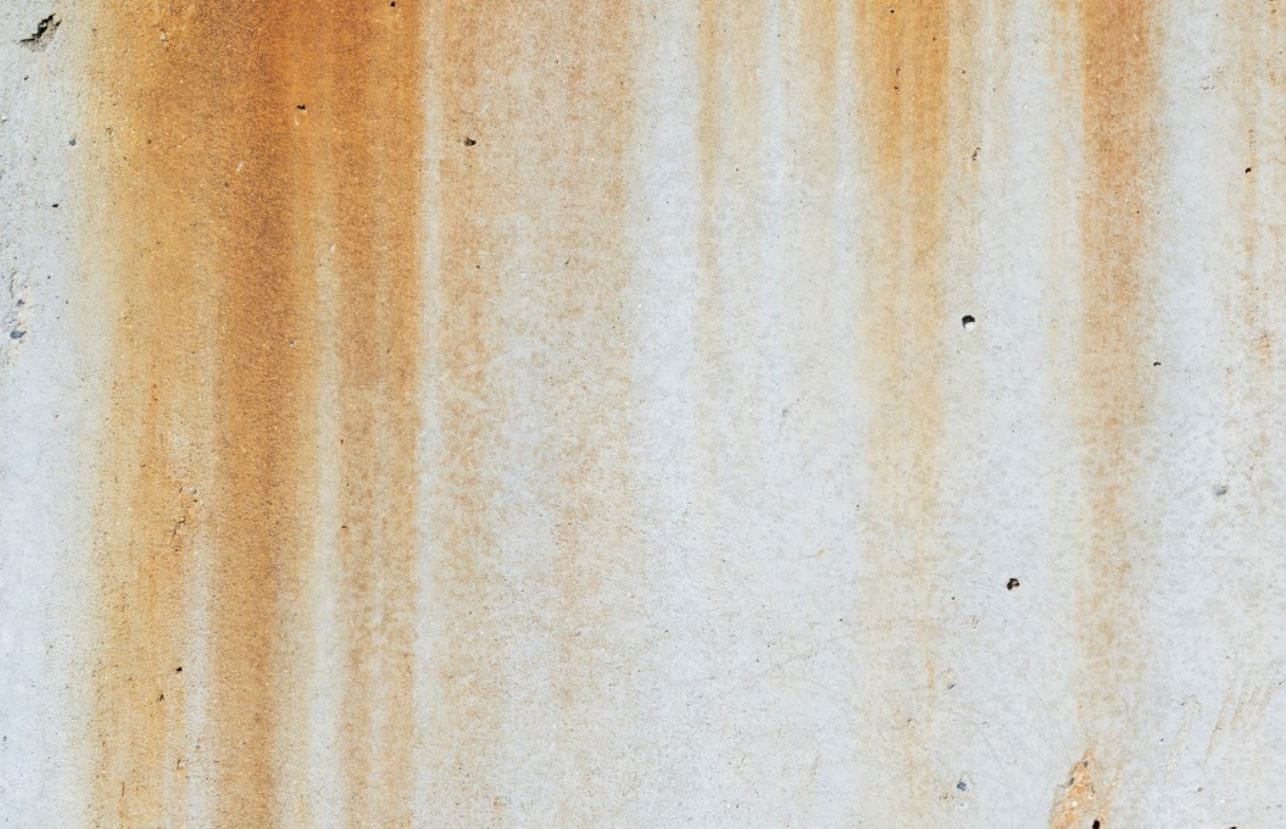
Marble countertops, floors, and tables add a touch of timeless elegance to any home. However, as a natural, porous stone, marble is particularly vulnerable to staining. One of the most unsightly and stubborn challenges homeowners face is rust. Those orange-brown stains, often appearing near metal fixtures or where metal objects have been left behind, can seem permanent.
The good news? You can remove rust from marble without causing further damage. You just need to know the correct, gentle techniques. This guide provides a step-by-step approach to identifying, treating, and preventing rust stains, ensuring your marble remains spotless for years to come.
Step 1: Identify the Stain and Assess Your Marble
Before applying any cleaning method, you must understand what you are dealing with. Using the wrong treatment can cause etching (dull spots) or spread the stain further.
What Do Rust Stains Look Like?
Rust stains on marble are typically orange to brown and often appear near sources of iron or moisture, such as metal cans, furniture legs, leaking pipes, or even fixtures with high iron content in water . They contrast sharply against lighter marble surfaces .
It is important to differentiate rust from other discolorations:
- Organic stains (coffee, wine) are usually pink to brown and have different sources.
- Copper stains tend to be greenish.
- Oil-based stains make the marble look darker and wet .
Check Your Marble Finish
- Polished Marble: Has a glossy, reflective finish. It is less absorbent than honed marble but still requires gentle care.
- Honed Marble: Has a matte, porous finish. It absorbs stains faster and may require longer poultice treatments .
Step 2: Gather Your Materials and Tools
Using the right tools is crucial. Abrasive scrubbers or acidic cleaners (like vinegar or lemon juice) will etch and permanently damage the marble’s surface .
| Category | Recommended Tools & Products | Avoid |
|---|---|---|
| Tools | Soft cloths, non-abrasive sponges, plastic spatula, plastic wrap, painter’s tape | Metal scrubbers, steel wool, metal spatulas |
| DIY Cleaners | Baking soda, distilled water, 6% hydrogen peroxide | Vinegar, lemon juice, bleach, ammonia |
| Commercial | pH-neutral marble cleaner, marble-safe rust remover (gel or liquid) | Acidic or alkaline cleaners not labeled for marble |
Step 3: Choose Your Rust Removal Method
The best method depends on the severity of the stain. For all methods, always test on a small, inconspicuous area first to ensure it does not discolor or etch the stone .
Method 1: Gentle Abrasion for Light Surface Rust
If the rust is fresh and only on the surface, you may be able to remove it without a chemical poultice.
- Dampen a Magic Eraser or soft cloth.
- Gently rub the stain in circular motions. Avoid pressing too hard .
- Alternatively, make a paste with baking soda and water. Gently rub it on the stain with a soft cloth, then rinse thoroughly .
Method 2: The Baking Soda Poultice (Deep Stains)
For deeper rust that has penetrated the marble, a poultice is the most effective method. A poultice works by drawing the stain out of the stone’s pores .
Method 3: Commercial Marble-Safe Rust Removers
If DIY methods fail, commercial products are the next step. It is vital to choose one specifically formulated for acid-sensitive stones like marble .
Comparison of Commercial Remover Types:
Method 4: Advanced Techniques for Stubborn Stains
For historic or deeply embedded stains, conservation professionals may use specific chemicals buffered to a neutral pH to avoid harming the calcite in marble. A 2014 study on rust removal from marble suggested that for intense, deep penetration, a 3.5% sodium dithionite solution buffered to pH 7 applied with an agar gel support is highly effective. For newer stains, 5% ammonium citrate (also pH neutral) applied repeatedly can yield good results . These methods are generally best left to professionals.
Step 4: Rinse and Inspect
After any treatment, rinse the area thoroughly with clean water to remove any chemical residue. Leftover residue can continue to react with the stone or attract more dirt . Dry the surface completely with a soft towel. Inspect the area in good light. If the stain has lightened but not disappeared, repeat the process. Deep stains may require multiple applications .
How to Prevent Future Rust Stains
Prevention is always better than restoration when it comes to delicate marble.
- Seal Regularly: Marble needs a quality penetrating sealer. Test if your marble needs sealing by placing a few drops of water on the surface. If it darkens the stone or soaks in within five minutes, it is time to reseal. Generally, sealing every 3 to 6 months is recommended .
- Use Protective Mats: Place coasters under glasses, mats under metal cans, and trays under bathroom bottles to prevent water and metal from sitting on the surface .
- Wipe Spills Immediately: Marble is porous, so the longer a spill sits, the deeper it penetrates. Use a pH-neutral cleaner or just water for daily cleaning .
- Fix Leaks: Address leaking faucets or pipes immediately to prevent constant moisture, which accelerates rust formation on metal fixtures and nearby stone .
Frequently Asked Questions (FAQ)
Q: Can I use vinegar to remove rust from marble?
A: Absolutely not. Vinegar is acidic and will etch (chemically burn) the surface of the marble, causing permanent dull spots that are worse than the original stain .
Q: Why does my marble have rust stains even though no metal touched it?
A: Marble can naturally contain iron minerals. Over time, exposure to moisture and UV light can cause these minerals to oxidize and rust from the inside out, appearing as yellow or brown stains .
Q: How long should I leave a poultice on marble?
A: For a standard baking soda poultice, leave it on for 24 to 48 hours. For commercial rust removers like sodium hydrosulfite, the dwell time may only be 30 minutes. Always follow the product instructions .
Q: When should I call a professional?
A: If you have tried DIY poultices and commercial marble-safe removers multiple times without success, or if the stain is very large and deep, it is time to call a professional stone restorer. They have industrial-strength equipment and specialized neutral-pH chemicals that can safely remove deep-set rust .
By following this guide, you can tackle rust stains with confidence and keep your marble surfaces looking elegant and new.