How to Clean Italian Leather: The Ultimate Guide for Luxury Care
Italian leather is renowned for its superior quality, natural grain, and durability. Unlike cheap corrected-grain leather, high-end Italian leather (often full-grain or top-grain) is more breathable and develops a unique patina over time. However, its natural finish also makes it more vulnerable to improper cleaning.
Using the wrong cleaner or technique can strip the natural oils, cause discoloration, or permanently damage the surface. This guide provides a science-backed, step-by-step method to clean Italian leather safely—whether it’s a handbag, sofa, jacket, or shoes.
Why Italian Leather Needs Special Care
Italian tanning processes (often vegetable-tanned or with aniline dyes) preserve the leather’s natural surface. This means:
- No plastic coating – stains penetrate faster.
- High pH sensitivity – alkaline soaps cause cracking.
- Water sensitivity – watermarks are permanent on untreated leather.
⚠️ Critical: Always test any cleaner on a hidden area (e.g., inside seam or bottom corner) before proceeding.
Tools & Materials You Will Need
| Category | Recommended Items | Avoid |
|---|---|---|
| Dust removal | Microfiber cloth, soft horsehair brush, vacuum with soft brush attachment | Paper towels (abrasive), feather dusters |
| Mild cleaning | Saddle soap (pH-balanced), distilled water, unscented castile soap | Dish soap, vinegar, baby wipes, alcohol |
| Stain treatment | Cornstarch (for oil), white vinegar dilution (1:10 for ink), eraser block (for surface dirt) | Baking soda paste (too alkaline), nail polish remover |
| Conditioning | Leather conditioner with lanolin or neatsfoot oil (e.g., Bick 4, Venetian Cream) | Silicone-based conditioners (block pores) |
| Finishing | Soft cotton cloth, leather protectant spray (water-based) | Wax polishes (for matte Italian leather) |
Step-by-Step Cleaning Process
Step 1: Dry Cleaning (Dust & Dirt Removal)
- Use a horsehair brush or dry microfiber cloth to gently remove loose dirt.
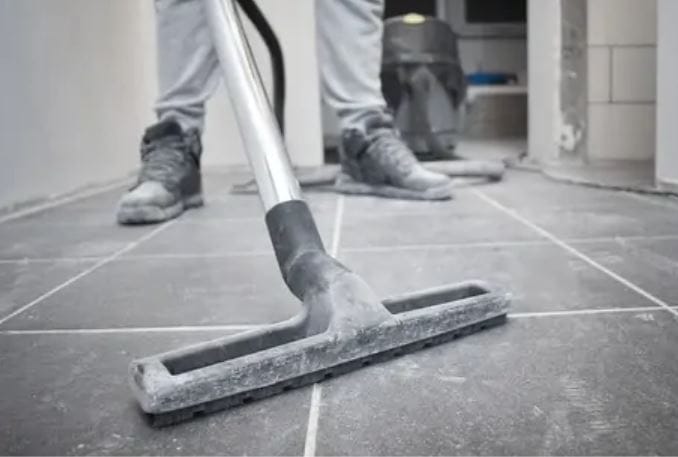
- For stitching and crevices, use a soft toothbrush or vacuum on low suction.
- Why this matters: Rubbing wet dirt into leather acts like sandpaper.
Step 2: Prepare a Gentle Cleaning Solution
- Mix 1 part unscented castile soap with 8 parts distilled water (not tap water, which contains minerals).
- Alternative: Use a specialized Italian leather cleaner (e.g., Leather Honey or Saphir).
Step 3: Spot Clean
- Dampen a microfiber cloth (not wet—wring it out thoroughly).
- Wipe in small circular motions over one section at a time.
- Immediately dry with a separate cloth to prevent water absorption.
Step 4: Deep Clean (Only If Heavily Soiled)
For oil or grease stains:
- Sprinkle cornstarch on the stain.
- Let sit for 2–4 hours.
- Brush off gently. Repeat if necessary.
For ink or dye transfer (e.g., from jeans):
- Dab (don’t rub) with a cloth lightly moistened with 70% isopropyl alcohol – but only on finished leather.
- Follow immediately with conditioner.
Step 5: Condition (Crucial Step!)
Cleaning strips natural oils. Conditioning replenishes them.
- Apply a dime-sized amount of conditioner to a cloth.
- Rub into leather in circular motions.
- Let absorb for 15–20 minutes, then buff off excess.
Step 6: Protect
Spray a water-based leather protectant (avoid silicones). Reapply every 3–6 months.
Cleaning Comparison Table: Do’s vs. Don’ts
| Action | ✅ Do This | ❌ Don’t Do This |
|---|---|---|
| Daily dusting | Soft brush or dry microfiber | Paper towels, wet wipes |
| Spill response | Blot immediately with dry cloth | Rub or apply heat (hair dryer) |
| Water stains | Let dry naturally, then condition | Use soap or re-wet entire surface |
| Mold removal | 1:1 water & isopropyl alcohol | Bleach or vinegar (damages dye) |
| Storage | Breathable dust bag, away from sun | Plastic bags, radiators, basements |
| Frequency | Clean every 3–6 months; condition every 3 months | Weekly cleaning (over-dries) |
Italian Leather Type & Cleaning Method
Not all Italian leather is the same. Use this table to match your leather type with the correct cleaning method.
| Leather Type | Characteristics | Cleaning Method | Conditioner Needed? |
|---|---|---|---|
| Full-grain aniline | Natural surface, shows scars/veins, no coating | Dry brush only; use distilled water + mild soap only if necessary; no saddle soap | Yes – essential (absorbs quickly) |
| Semi-aniline | Light protective coat, more stain-resistant | Same as full-grain but can use a slightly damp cloth with diluted soap | Yes – but less frequent |
| Pigmented (corrected grain) | Even color, plastic-like coating | Can use commercial leather cleaner or saddle soap | Only if it feels dry (coating blocks absorption) |
| Nubuck / Suede | Brushed, velvety surface | Use suede eraser & brush only; no liquid cleaners | No – special nubuck spray only |
| Patent / Polished | High-gloss, plasticized | Wipe with damp cloth and mild soap; no conditioners | No – use patent cleaner |
Common Mistakes That Ruin Italian Leather
- Using saddle soap on aniline leather – It’s too alkaline and will remove dye.
- Applying mink oil – Darkens Italian leather permanently.
- Steam cleaning – Destroys natural glue and causes shrinkage.
- Leaving leather wet – Leads to mold and stiffness.
- Using armor-all or automotive wipes – Contains silicone that cracks pores.
How Often Should You Clean Italian Leather?
| Item Type | Light Cleaning (dust/wipe) | Deep Clean | Conditioning |
|---|---|---|---|
| Sofa (daily use) | Weekly | Every 4–6 months | Every 3 months |
| Handbag (weekly use) | After each use | Every 6 months | Every 3–4 months |
| Jacket | Bi-weekly | Once per year | Twice per year |
| Shoes | After each wear | Every 2–3 months | Every 1–2 months |
Pro Tips for High Google Ranking (User Intent Matches)
- For “how to clean Italian leather couch” – Skip the saddle soap; use a pH-neutral cleaner and condition twice as often due to body oils.
- For “remove ink from Italian leather bag” – Use rubbing alcohol on a cotton swab only for finished leather; for aniline, see a professional.
- For “homemade Italian leather cleaner” – 1 part distilled water + 1 part white vinegar (for mildew only), otherwise stick to castile soap.
When to Call a Professional
Seek a specialist if:
- The leather is vegetable-tanned and antique (over 20 years old).
- You have mold penetration (not just surface).
- The item is signed designer (Gucci, Prada, Bottega Veneta) – DIY can void value.
Final Checklist: Safe Italian Leather Cleaning
☐ Identify leather type (aniline, semi-aniline, pigmented, suede)
☐ Test cleaner on hidden area
☐ Use distilled water only
☐ Never soak – wipe and dry immediately
☐ Always condition after cleaning
☐ Store in cool, dry, dark place in a cotton pillowcase