How to Clean Enamel Paint Off Brushes: The Complete Guide to Restoring Your Tools Like New
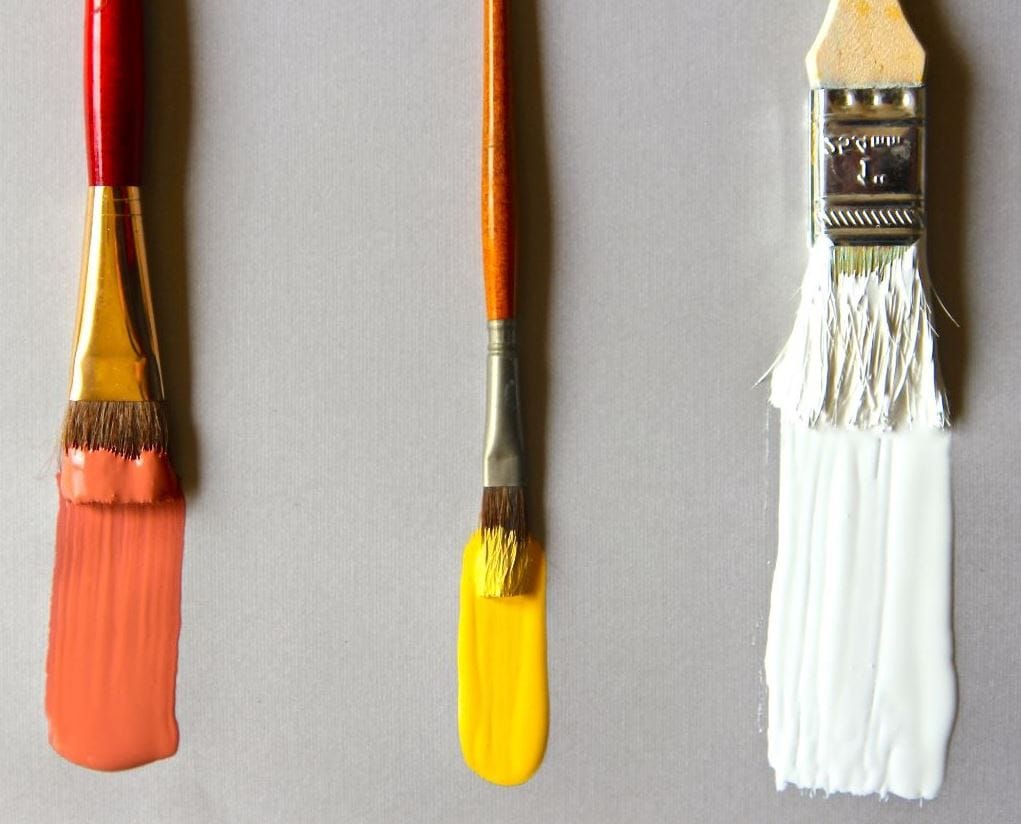
Enamel paint delivers that glossy, durable finish everyone loves—until you realize you’ve forgotten to clean your brushes. Unlike water-based paints, enamel is oil-based or alkyd-based, meaning soap and water won’t touch it. Let your brushes harden, and you’re looking at replacing a $20 brush.
But here’s the good news: you can restore enamel-crusted brushes to near-new condition if you use the right solvent and technique. This guide compares every method—from mineral spirits to vinegar—so you can choose what works for your specific situation.
Why Enamel Paint Is So Difficult to Clean
Enamel paint cures through oxidation, creating a cross-linked plastic-like film. Once this film forms, the paint becomes insoluble. That’s why timing matters:
| Paint State | Cleanability | Method Required |
|---|---|---|
| Wet (within 2 hours) | Easy | Solvent rinse |
| Tacky/dry (2-24 hours) | Moderate | Soak + manual cleaning |
| Hard/cured (24+ hours) | Difficult | Stripper + mechanical removal |
Method 1: Solvent-Based Cleaning (Fastest for Wet Paint)
Best for: Brushes used within the last 2 hours, or brushes that are still flexible.
Step-by-Step:
- Remove excess paint – Wipe brush on newspaper or cardboard.
- Choose your solvent – Pour 2-3 inches into a glass or metal container.
- Swirl and soak – Agitate the brush for 30 seconds, let sit 5-10 minutes.
- Comb and repeat – Use a wire brush comb to remove softened paint. Move to clean solvent if needed.
- Wash and condition – Rinse with warm soapy water, then apply brush conditioner.
Solvent Comparison Table:
| Solvent | Effectiveness | Speed | Odor | Flammability | Best For |
|---|---|---|---|---|---|
| Mineral Spirits | Excellent | Fast | Strong | High | Most enamel paints |
| Paint Thinner | Excellent | Very Fast | Very Strong | High | Heavy buildup |
| Turpentine | Excellent | Fast | Strong (natural) | High | Traditionalists |
| Denatured Alcohol | Good (alkyds) | Moderate | Strong | High | Fresh alkyd enamels |
| Lacquer Thinner | Superior | Instant | Extreme | Extreme | Fully hardened paint |
Method 2: The Vinegar Soak (Eco-Friendly)
Best for: Synthetic bristles, light to moderate buildup, low-odor requirements.
This method relies on heat and acetic acid to soften the paint film.
- Heat white vinegar to near-boiling (not in your good cookware).
- Submerge bristles completely for 20-30 minutes.
- Scrub with a stiff nylon brush or comb.
- Rinse with soapy water.
Limitations:
- Less effective on fully cured enamel.
- Can damage natural bristles over time.
Method 3: Fabric Softener Soak (Controversial but Common)
Some DIYers swear by this. The science? Fabric softener contains surfactants that may penetrate the paint film.
- Mix 1 part fabric softener : 2 parts warm water.
- Soak brush for 1-4 hours.
- Rinse and comb.
Verdict: Works better on latex than cured enamel. Try only as a last resort before throwing the brush away.
Method 4: Commercial Brush Cleaner & Restorer
Best for: Rock-hard brushes that haven’t been cleaned in weeks or months.
Products like Klean-Strip Brush Cleaner or Savogran Brush Cleaner are designed to dissolve dried paint without destroying bristles.
Process:
- Submerge bristles in cleaner for 1-24 hours (varies by product).
- Scrape residue with a wire brush.
- Rinse thoroughly.
| Product | Soak Time | Reusable? | Toxicity |
|---|---|---|---|
| Klean-Strip KS-3 | 1-2 hours | Yes (filtered) | High |
| Savogran | 8-24 hours | Yes | High |
| Citristrip | 3-6 hours | No | Low |
Step-by-Step: Deep Cleaning a Fully Cured Enamel Brush
If you’ve found a brush with bristles like plastic, here’s the most reliable recovery method:
- Scrape – Remove as much dried paint as possible with a putty knife.
- Soak – Submerge in lacquer thinner or commercial brush restorer for 24 hours.
- Mechanical removal – Use a wire brush or coarse steel wool to break up softened paint.
- Comb – Work from ferrule to tip.
- Repeat – Dried enamel often requires 2-3 soak/scrub cycles.
- Final wash – Dawn dish soap + warm water.
- Condition – Massage in mineral oil or brush conditioner.
5 Mistakes That Ruin Enamel Brushes
| Mistake | Why It’s Bad | Fix |
|---|---|---|
| Soaking in water | Swells wooden handles, loosens ferrule | Never submerge past ferrule |
| Using hot water on fresh paint | Heat sets enamel faster | Use cold water for rinsing |
| Spinning brush in drill | Destroys bristle tips | Always comb manually |
| Skipping conditioner | Bristles stay dry, splay permanently | Always condition after solvent |
| Leaving brush on its side | Paint pools at ferrule | Store hanging or flat |
How to Clean Enamel Paint Brushes Without Solvent
If you absolutely cannot use mineral spirits or paint thinner, your options are limited but possible:
- Vegetable oil + dish soap – Oil loosens paint, soap removes oil. Less effective but safer.
- Nail polish remover (acetone) – Works in a pinch but evaporates quickly and can dry bristles.
- Brake cleaner – Aggressive solvent, use outdoors only.
Prevention: Keep Brushes from Hardening in 10 Seconds
Between coats, don’t let the brush sit. Instead:
- Wrap wet brush tightly in plastic wrap or aluminum foil.
- Store in freezer for up to 24 hours (prevents curing).
- Suspend bristles in solvent without letting tips touch bottom.
Final Verdict: Which Method Should You Use?
| Situation | Recommended Method | Time |
|---|---|---|
| Paint still wet | Mineral spirits + comb | 5 minutes |
| Paint tacky but movable | Soak in mineral spirits | 20 minutes |
| Paint hard, brush splayed | Lacquer thinner + wire brush | 1-24 hours |
| Natural bristles (expensive) | Dedicated brush restorer | Overnight |
| No chemical solvents | Hot vinegar soak | 30 minutes |
Cleaning enamel paint off brushes isn’t difficult—it’s just chemistry. Match your solvent to the paint’s cure state, and you can bring back brushes you thought were destined for the trash. Keep mineral spirits on hand, clean immediately when possible, and always condition your bristles.