How To Clean & Deodorize A Football Helmet Properly
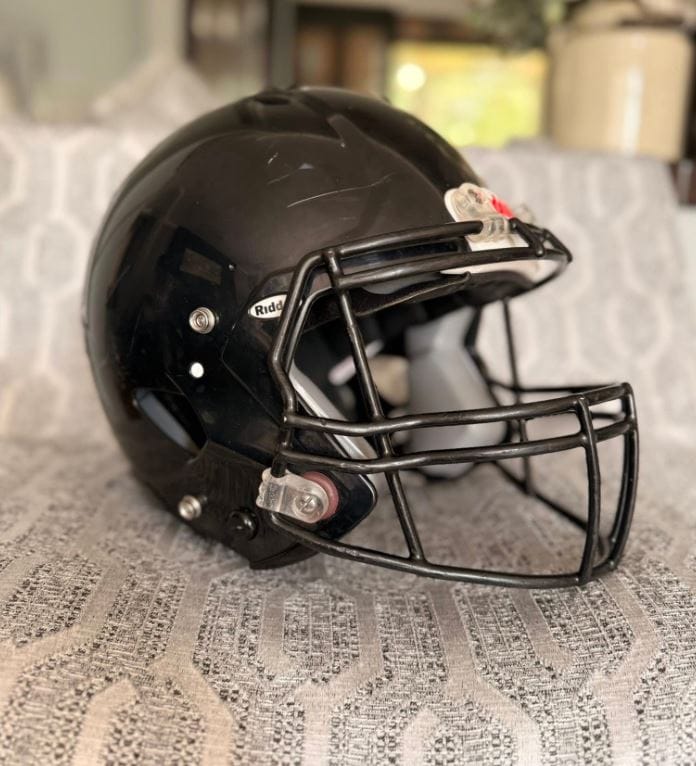
A football helmet is more than just protective gear; it’s a second skin on the field. But with every practice and game, it absorbs sweat, grime, and bacteria, leading to unpleasant odors and potential hygiene issues. A clean helmet is crucial for both player safety and comfort.
This definitive guide will walk you through the steps to properly clean and deodorize your football helmet, ensuring it remains fresh, functional, and long-lasting.
Why Cleaning Your Football Helmet is Non-Negotiable
Regular helmet maintenance isn’t just about eliminating a bad smell. It’s a critical part of your sports equipment care routine for several key reasons:
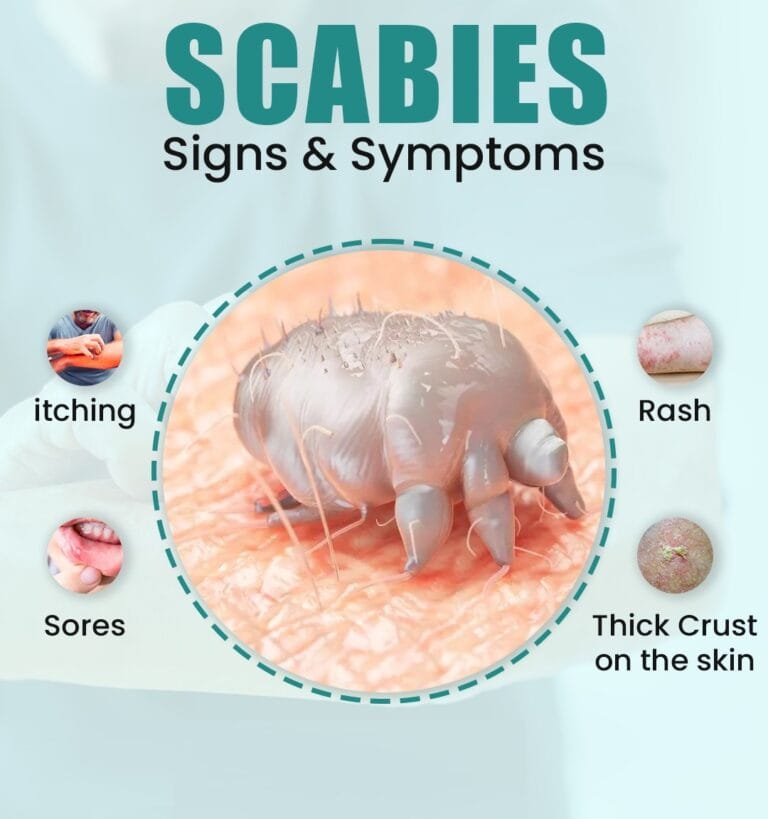
- Hygiene & Health: A dirty helmet is a breeding ground for bacteria, which can lead to skin infections, acne, and rashes on your scalp and face.
- Durability: Sweat is corrosive. Over time, it can degrade the helmet’s padding, shell, and internal components, compromising its structural integrity.
- Performance & Comfort: A fresh, clean helmet is simply more comfortable to wear, allowing you to focus entirely on your game without distraction.

As Coach Mike Thompson, a former high school athletic director, puts it: “A player’s helmet is their most personal piece of equipment. Teaching them to care for it is teaching them responsibility and self-respect. A clean helmet is a sign of a prepared athlete.”
Step-by-Step Guide to a Deep Clean
Before you begin, always check the manufacturer’s cleaning guidelines. When in doubt, gentler is better.
What You’ll Need: Your Cleaning Arsenal
Gather these supplies before you start:
- Mild dish soap or a dedicated sports equipment cleaner
- Warm water
- Clean, soft cloths or sponges (microfiber is ideal)
- Soft-bristled brush (an old toothbrush works perfectly)
- A small basin or sink
- Towels for drying
What to AVOID: Harsh chemicals, bleach, ammonia, abrasive scrubbers, and high-pressure water streams. These can damage the helmet’s shell, degrade the padding, and remove protective coatings.
Step 1: Disassemble the Helmet
Carefully remove all detachable parts. This typically includes:
- The jaw pads and cheek pads
- The chin strap
- Any removable liner systems or crown pads
This allows you to clean every nook and cranny effectively.
Step 2: Clean the Shell & Hardware
- Dip a soft cloth in a mixture of warm water and a few drops of mild soap.
- Gently wipe down the entire outer shell, face mask, and chin strap buckle. Pay special attention to the hard-to-reach areas around the face mask bolts.
- For stubborn dirt or grass stains on the shell, use the soft-bristled brush with your soapy water.
- Wipe everything down with a clean, water-dampened cloth to remove any soapy residue.
- Dry thoroughly with a clean towel.
Step 3: Wash the Removable Padding & Chin Strap
This is where most of the sweat and odor live.
- Fill a basin with warm, soapy water.
- Submerge the pads and chin strap and gently agitate them. Let them soak for 10-15 minutes to loosen deep-seated grime.
- Gently scrub the pads with your hands or the soft-bristled brush.
- Rinse them thoroughly under cool, running water until all soap is gone. Squeeze—do not wring—to remove excess water.
- Air Dry Completely. Never use a clothes dryer, hair dryer, or direct heat source, as this will warp and ruin the padding.
Banishing the Stink: How to Deodorize Effectively
After a deep clean, it’s time to tackle any lingering odors and prevent new ones from forming.
The Power of Air Drying
The single most important step in odor prevention is thorough air drying. After every use or cleaning, let the helmet and all its parts air dry in a well-ventilated area, out of direct sunlight.
Top Deodorizing Solutions
| Method | How To Use | Pros | Cons |
|---|---|---|---|
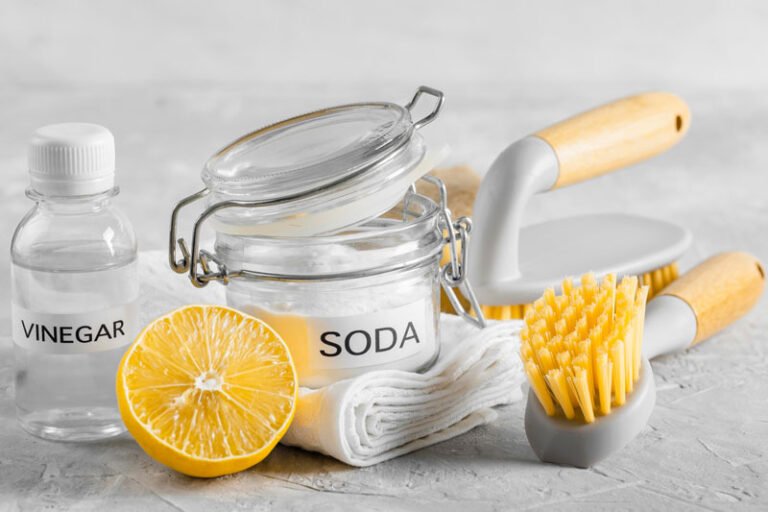
| Baking Soda | Sprinkle a light layer inside the helmet and pads. Let sit for several hours or overnight, then vacuum out. | Natural, non-toxic, very effective at absorbing odors. | Can be messy; requires thorough vacuuming. |
| Rubbing Alcohol | Mix with equal parts water in a spray bottle. Lightly mist the interior and let air dry. | Kills bacteria on contact, dries quickly, no residue. | Strong smell; can be drying to certain materials with prolonged use. |
| Specialized Sports Sprays | Follow product instructions—typically spray directly onto dry padding and let air dry. | Formulated specifically for equipment, often contains antimicrobial agents. | More expensive than DIY options. |
Helmet Deodorizer Spray Comparison Table
For those looking for a ready-made solution, here’s a quick comparison of popular product types:
| Product Type | Key Feature | Best For |
|---|---|---|
| Enzymatic Sprays | Uses enzymes to break down odor-causing bacteria at the source. | Eliminating persistent, deep-set biological odors. |
| Antimicrobial Sprays | Kills mold, mildew, and bacteria to prevent future growth. | Athletes prone to sweat-related skin issues; humid climates. |
| Odor-Neutralizing Sprays | Uses compounds to trap and neutralize odor molecules. | Quick freshening up between deep cleans; mild odors. |
Creating a Routine: Maintenance is Key
A one-time deep clean is great, but consistency is what keeps your helmet in top condition.
- After Every Use: Wipe down the interior with a dry cloth and leave it in a well-ventilated area to air dry.
- Weekly (During Season): Perform a light cleaning with a disinfectant spray and a cloth. Check for any loose parts or wear.
- Monthly (During Season): Do a full disassembly and clean as outlined in the deep clean section above.
- Off-Season: Give the helmet a final deep clean before storage. Store it disassembled in a cool, dry place.
Final Whistle
Cleaning and deodorizing your football helmet is a simple yet vital process. By incorporating these steps into your regular routine, you protect your investment, safeguard your health, and step onto the field with the confidence that comes from well-maintained gear. A clean helmet is a high-performance helmet.