How to Clean an Artificial Eye: A Complete Step-by-Step Guide for Safety and Comfort
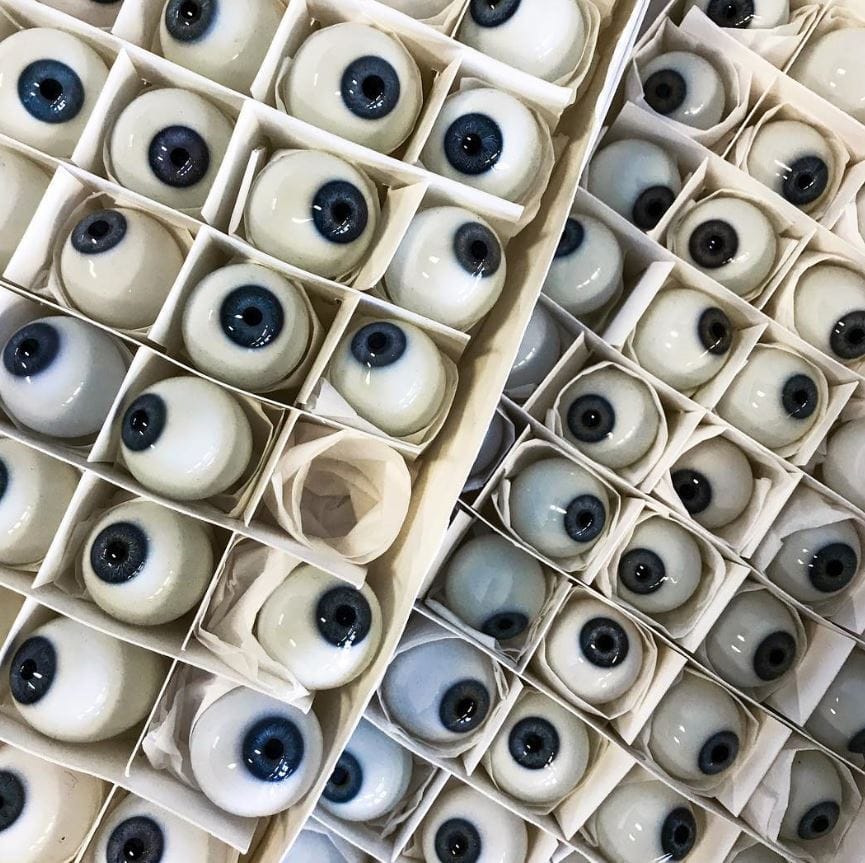
Keeping your prosthetic eye (ocular prosthesis) clean is essential for comfort, eye health, and the longevity of the prosthesis. Whether you’re a new user or a seasoned wearer, proper cleaning prevents infection, reduces irritation, and maintains a natural appearance. This comprehensive, SEO-optimized guide will walk you through safe, effective methods to clean your artificial eye, ensuring it ranks highly for those searching for this vital information.
Why Regular Cleaning is Non-Negotiable
An artificial eye, typically made of medical-grade acrylic, sits in the eye socket. It naturally accumulates secretions (mucus), proteins, and environmental debris. Without a consistent cleaning routine, you risk:
- Infection: Bacterial buildup can lead to conjunctivitis or socket inflammation.
- Discomfort: Gritty deposits cause irritation against sensitive socket tissues.
- Damage: Improper handling or harsh chemicals can scratch or cloud the prosthesis.
- Unpleasant Odors: Proteins break down over time, leading to noticeable smells.
Step-by-Step: How to Clean Your Artificial Eye Daily
Follow this safe, recommended daily cleaning routine. Always wash your hands thoroughly with soap and water before beginning.
Step 1: Removal
Gently pull down your lower eyelid. Using a clean, silicone-tipped plunger (provided by your ocularist), create slight suction on the prosthesis and lift it out. Alternatively, wash your hands and use a finger to gently break the suction and slide it out. Never use tweezers or sharp objects.
Step 2: Rinse & Initial Clean
Rinse the prosthesis under lukewarm (not hot) running water. Gently rub it with your clean fingertips to remove loose film.
Step 3: Deep Clean
Apply 1-2 drops of mild, non-abrasive soap (like baby shampoo or a dedicated prosthetic eye cleaner) to your fingertip. Gently rub all surfaces of the prosthesis for 30 seconds. Avoid harsh soaps, alcohol, or bleach.
Step 4: Final Rinse
Rinse thoroughly under lukewarm running water for at least 60 seconds to remove all soap residue. Soap left on the prosthesis will cause significant irritation.
Step 5: Reinsertion or Storage
You can either reinsert the clean, wet prosthesis immediately or store it. To store, place it in a clean, hard case filled with fresh saline solution or purified water. Never let it dry out.
Weekly or Bi-Weekly Deep Cleaning
For a more thorough cleaning to remove stubborn protein deposits:
- Use a commercial prosthetic eye cleaning tablet (e.g., Optimed, Boston) dissolved in water as per instructions.
- Soak the prosthesis in this solution in its sealed case for the recommended time (usually 15-30 minutes).
- Remove, rinse thoroughly with water, and proceed with the daily cleaning steps above.
What to Use & What to Avoid: A Comparison Table
Choosing the right cleaning agents is critical. This comparison table clarifies safe products versus harmful ones.
| Recommended & SAFE to Use | Purpose | AVOID & WHY |
|---|---|---|
| Lukewarm Running Water | Primary rinsing agent. | Hot Water: Can warp acrylic. |
| Mild, Moisturizing-Free Baby Shampoo | Gently breaks down oils & proteins. | Rubbing Alcohol/Acetone: Extremely damaging; will craze and cloud acrylic. |
| Specialized Prosthetic Eye Cleaner | Formulated specifically for safe, effective cleaning. | Bleach/Vinegar: Too acidic/alkaline; degrades material. |
| Saline Solution (Preservative-Free) | Ideal storage liquid. | Tap Water for Storage: Contains microbes; can cause biofilm. |
| Soft, Lint-Free Microfiber Cloth | For gentle drying if needed (patting only). | Paper Towels/Tissues: Can scratch; leave lint. |
Common Cleaning Mistakes to Avoid
- Over-Cleaning or Scrubbing: This can create microscopic scratches where bacteria hide. Clean gently.
- Using Spit to Moisturize: Introduces oral bacteria into the eye socket. Never do this.
- Neglecting the Eyelids: Gently clean your eyelids and socket with a warm washcloth after removal.
- Skipping Professional Polishing: Even with perfect home care, your prosthesis needs professional polishing by your ocularist every 6-12 months to restore its glass-like finish.
Frequently Asked Questions (FAQ)
Q: How often should I clean my artificial eye?
A: Clean it daily upon removal. A quick rinse and reinsertion is not sufficient; a gentle soap clean is needed daily.
Q: Can I use contact lens solution?
A: No. Most multi-purpose contact solutions contain disinfectants unsuitable for acrylic and can cause clouding.
Q: My eye is scratched. Can I polish it myself?
A: Absolutely not. DIY polishing kits are dangerous and will ruin the prosthesis. See your ocularist.
Q: How do I handle and store my prosthesis while traveling?
A: Always carry your hard storage case filled with saline. Never wrap it in tissue, as it can be easily lost or damaged.
Q: What are signs my prosthesis needs professional attention?
A: Persistent irritation despite cleaning, visible scratches/cloudiness, a changed fit, or excessive discharge.
Conclusion: Consistency is Key
Properly cleaning your artificial eye is a simple yet vital routine that safeguards your ocular health and investment. By following these steps—using the right products, avoiding harmful chemicals, and maintaining regular check-ups with your ocularist—you ensure maximum comfort, a natural appearance, and long-term durability of your prosthesis. Remember, when in doubt, always consult your ocularist, the medical professional who crafted your eye, for personalized advice.