How to Clean a Softball Bat for Maximum Performance and Longevity
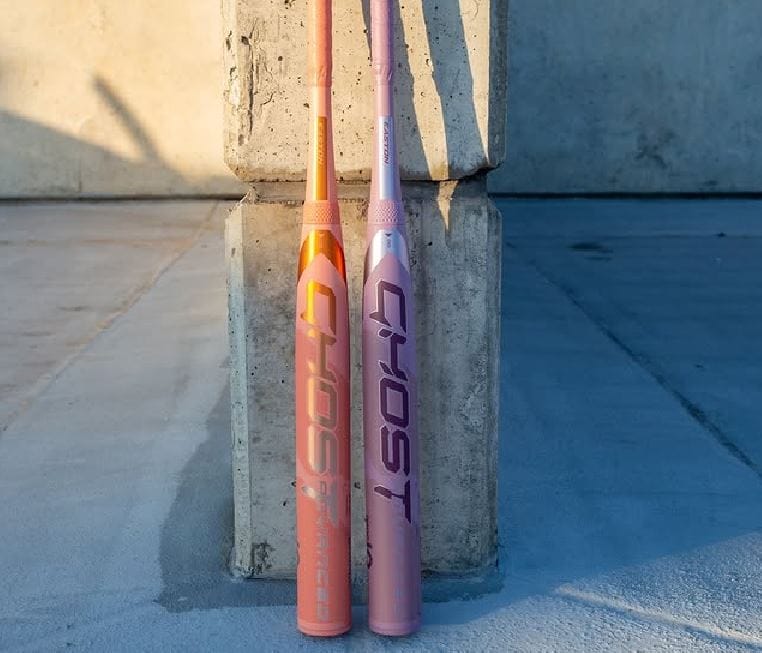
Your softball bat is your most valuable weapon on the diamond. It endures repeated impacts, collects dirt and grime, and is exposed to sweat and moisture. Regularly cleaning your bat isn’t just about keeping it looking good; it’s essential for maintaining its structural integrity and ensuring optimal performance. A clean bat also provides a better grip and allows you to inspect it for damage that could lead to catastrophic failure during a game .
In this comprehensive guide, we’ll walk you through the best methods to clean your softball bat, whether it’s made of composite, alloy, or wood. We’ll also cover what products to use, what to avoid, and how to properly maintain your bat for the long haul.
Why Cleaning Your Softball Bat Matters
Before diving into the “how,” it’s important to understand the “why.” Proper bat care, including regular cleaning, offers several key benefits:
- Extends Lifespan: Dirt and debris can act like sandpaper, slowly wearing down the bat’s surface and clear coat. For composite bats, embedded particles can lead to micro-tears and delamination over time .
- Maintains Performance: A clean barrel ensures consistent performance. Built-up residue can affect the bat’s trampoline effect (its “pop”) .
- Improves Safety: Regularly cleaning your bat allows you to closely inspect it for hidden cracks, dents, or rattles. Using a damaged bat can be dangerous and lead to breakage .
- Preserves Grip and Tack: Some modern bats have a “tacky” surface for better handling. Proper cleaning can restore this tackiness, while dirt and sweat can destroy it .
- Hygiene: Bats are shared and handled by many hands, becoming a breeding ground for bacteria. Disinfecting your bat is a simple step for better hygiene .
Preparation: What You’ll Need
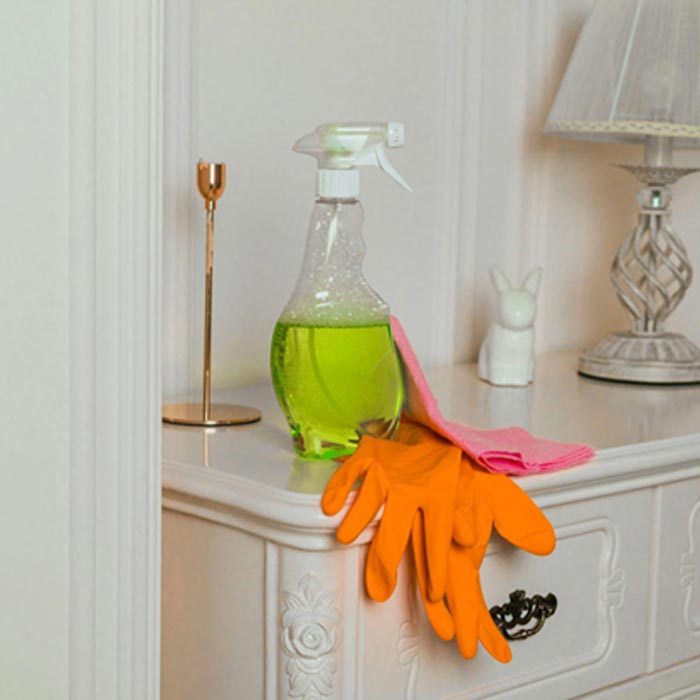
Gathering the right supplies is the first step to a successful clean. Avoid harsh chemicals and abrasive tools that can damage the bat’s finish. Here’s a checklist of recommended items:
- Cleaning Agents:
- Tools & Cloths:
- Optional for Stubborn Stains:
Crucial Warning: Never use steel wool, wire brushes, or harsh chemicals like Goof Off on the barrel of your bat, as these will strip the paint, clear coat, and manufacturer’s stamps .
Step-by-Step Cleaning Methods by Bat Type
The best cleaning method depends on the material of your bat and the type of dirt you’re dealing with. Here are the most effective techniques.
Method 1: The Gentle Daily Clean (For All Bat Types)
This is the go-to method for removing light dirt, sweat, and ball marks after every game or practice .
- Mix Solution: In a small bucket or bowl, mix a few drops of mild dish soap with warm water .
- Wipe Down: Dip a soft cloth in the soapy water and wring it out well so it’s damp, not dripping. Wipe down the entire barrel of the bat, from the taper to the end cap. Avoid soaking the grip tape .
- Tackle Light Marks: For light ball marks, a standard disinfectant wipe (Lysol/Clorox) can be very effective. Simply wipe the area with moderate pressure .
- Rinse (Optional): If you used soap, wipe the bat again with a clean, damp cloth (using just water) to remove any soapy residue.
- Dry Immediately: Use a separate dry, soft cloth to thoroughly dry the bat. This is critical for aluminum/alloy bats to prevent water spots and potential oxidation .
Method 2: The Deep Clean for Stubborn Stains (Ideal for Alloy and Composite)
When water and soap aren’t enough to remove caked-on dirt or heavy scuff marks from the ball, it’s time for a deeper clean.
- Start with a Soapy Scrub: Apply your soapy water solution to the bat.
- Use a Gentle Abrasive: Dip a non-scratch scouring pad or a soft-bristled brush into the soapy water. Gently scrub the stained areas using a circular motion . Note: A Magic Eraser can be used here, but test on a small, inconspicious area first, as it is a micro-sander and can dull glossy finishes if used too aggressively .
- Apply Rubbing Alcohol for Tough Marks: If scouring doesn’t work, dampen a cloth with isopropyl alcohol and rub the marks. This is particularly effective for removing embedded ball marks and sticky residue .
- Rinse and Dry: Wipe the bat down with a clean, damp cloth to remove any cleaning agent, then dry it thoroughly.
Method 3: Restoring Tackiness (For “Tacky” Composite Bats)
Some composite bats are designed with a sticky or tacky surface to improve grip. This tackiness can fade as dirt and oils build up. Interestingly, the right cleaning method can restore it .
- Clean with Alcohol Wipes: Based on recommendations from players, using a standard Clorox or Lysol wipe (which contains alcohol) is highly effective .
- Wipe and Let Dry: Clean the barrel thoroughly with the wipe, removing all ball marks and grime.
- Wait for the Magic: As the alcohol evaporates and the bat dries completely, the original “Day 1” tackiness will return .
Method 4: Wood Bat Care and Maintenance
Wood bats require a different approach, as they are more susceptible to moisture and impact damage.
- Wipe After Every Use: Simply wipe the bat with a dry cloth to remove dirt and moisture immediately after your game or practice .
- Clean Stains: For light cleaning, a slightly damp cloth with mild soap can be used, but dry the bat immediately .
- Polish (Optional): To give it a nice shine, you can use a furniture polish like Pledge or a wood-specific polish. Be careful not to oversaturate the wood, as this can make it soft and more prone to breakage .
- Sand Down Minor Marks: For natural finish wood bats, you can use fine-grit sandpaper (200 grit or higher) to lightly sand away surface ball marks. Always sand in the direction of the wood grain .
Cleaning Method Comparison Table
To help you choose the right approach, here is a comparison of the most common cleaning methods.
What to Avoid: Common Cleaning Mistakes
Extending the life of your bat also means knowing what not to do.
- Avoid Extreme Temperatures: Never store your bat in a car trunk or garage where temperatures can swing wildly. Extreme cold (below 60°F) can make composite bats brittle and prone to cracking, while extreme heat can warp wood and break down the resins in composites .
- Don’t Submerge the Bat: Never soak your bat in water. This can damage the interior of the bat, cause wood to swell, and ruin the grip .
- Never Use on the Barrel: Avoid using harsh adhesive removers (like Goof Off), acetone, or gasoline on the barrel. These chemicals will destroy the paint, clear coat, and manufacturer’s stamps .
- Don’t Use Game Bats for Cage Practice: Hitting dimpled, rubber, or waterlogged practice balls can significantly damage a game-ready composite or alloy bat. Use a designated practice bat .
- Avoid Banging the Bat: Don’t bang your bat against your cleats to knock dirt loose. This can dent or damage the barrel. Use your hand or a cloth instead .
Proper Storage and Ongoing Care
Cleaning is only one part of the equation. How you store and handle your bat between games is just as important.
- Wipe Down After Every Use: This is the number one rule. A quick wipe with a dry cloth removes sweat and dirt before they have a chance to bake onto the bat .
- Store in a Cool, Dry Place: Keep your bat in your bat bag, indoors, at room temperature. Avoid humid areas that can promote mildew .
- Store Vertically or Horizontally: It’s fine to store your bat standing up or laying down, as long as it’s not under heavy weight. Some recommend hanging the bat handle-down to prevent dust from settling in the barrel .
- Use a Bat Sleeve: A protective bat sleeve can prevent your bat from getting scuffed and dented by other gear in your bag .
- Rotate Your Bat: During practice or even games, try to rotate the bat slightly in your hands with each hit. This ensures that the ball doesn’t constantly impact the exact same spot, leading to more even wear and a longer lifespan for the “sweet spot” .
- Re-Grip as Needed: The grip is your only connection to the bat. If it becomes worn, slick, or loose, replace it immediately. A fresh grip improves control and prevents the bat from flying out of your hands .
- Regular Inspections: Periodically check your bat for cracks, dents, or loose end caps. For composite bats, run your fingernail along any suspicious lines. If your nail catches, the crack is deep and the bat is likely finished .
Frequently Asked Questions (FAQ)
Q: Can I use a Magic Eraser on my softball bat?
A: Yes, but with caution. A Magic Eraser is a micro-abrasive, effectively a very fine sandpaper. It is excellent for removing tough, embedded marks, but it can also turn a glossy bat into a matte finish by removing the top layer of clear coat . Use it sparingly and only on stubborn spots.
Q: How do I get the sticky “tacky” feeling back on my composite bat?
A: Clean the bat thoroughly with an alcohol-based wipe (like Clorox or Lysol). As the bat dries, the original tackiness should return .
Q: My bat has a rattle inside. What does that mean?
A: A rattle usually indicates that something inside the bat has broken loose, such as a piece of the internal bonding material or a shattered fragment from the barrel. For alloy bats, it might be a sign of a significant dent. In most cases, a rattle means the bat is damaged and should be retired from game use .
Q: Is it bad to get the grip wet when cleaning the barrel?
A: Yes, you should try to avoid getting the grip soaking wet. Moisture can break down the adhesive and the material of the grip itself. If it does get wet, pat it dry with a towel as best you can .
Q: Can I use olive oil to clean my bat?
A: Olive oil can be used to remove adhesive residue or as a very gentle cleaner on some surfaces . However, for metal or composite bats, it will just sit on the surface and can make the bat slippery . It’s best reserved for emergency situations or as a pre-clean for wood bats before applying a proper wood conditioner.
Conclusion
Learning how to clean a softball bat is a simple yet crucial skill for any serious player. By following these methods—from a quick daily wipe-down with a damp cloth to a targeted deep clean for stubborn marks—you can keep your bat performing at its peak for many seasons to come. Remember, the goal is not just a shiny bat, but a safe, reliable, and high-performing piece of equipment that you can count on when you step up to the plate. Pair these cleaning habits with proper storage and regular inspections, and you’ll protect your investment and ensure you’re always game-ready.