
How to Clean a Polyester Tie Without Ruining It
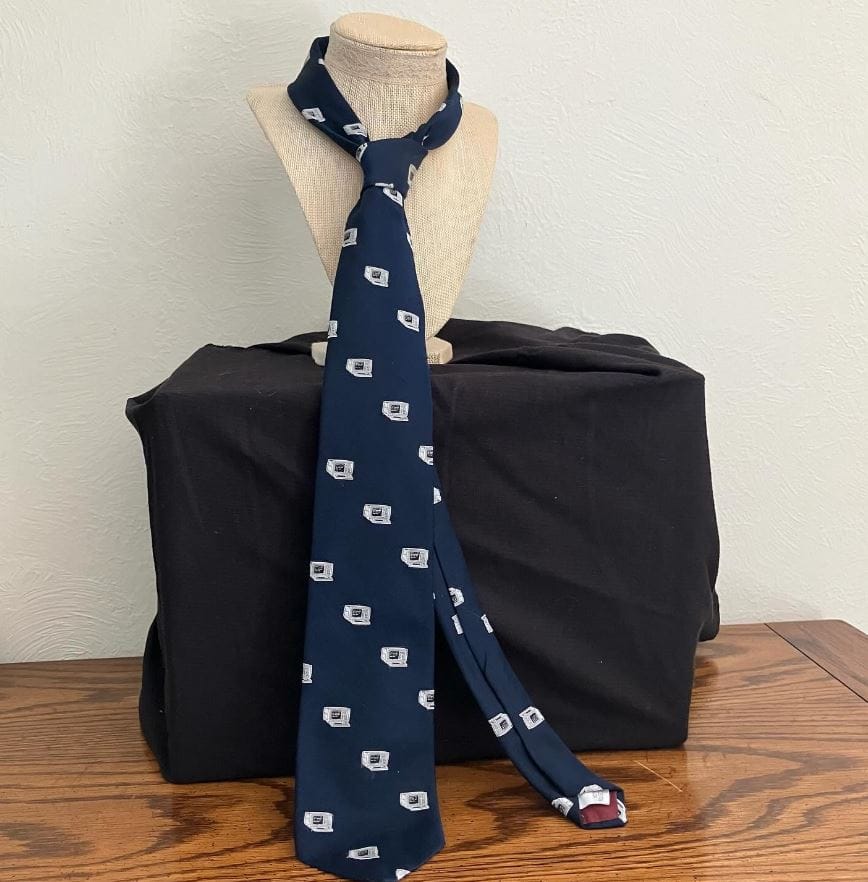
A necktie is often the centerpiece of a professional or formal ensemble. It adds a splash of color, a hint of personality, and a layer of sophistication to your look. However, its prominent position on your chest also makes it a magnet for life’s little accidents—from the stray drop of morning coffee to the splatter of lunchtime sauce. When disaster strikes, knowing how to clean a polyester tie is an essential skill that can save your wardrobe and your wallet.
Polyester is one of the most common materials for ties because it is durable, resists wrinkling, and holds color well . Unlike its delicate cousin silk, polyester is a synthetic fiber that can handle a bit more elbow grease. However, “more durable” does not mean “indestructible.” A tie’s internal structure—specifically the interlining that gives it shape—is highly susceptible to damage from rough handling . This guide will walk you through every step of the process, from emergency stain removal to proper drying, ensuring your tie stays in perfect shape for years to come.
Why Polyester is Different: Understanding Your Tie
Before diving into the cleaning process, it is crucial to understand the anatomy of your tie. Regardless of the outer fabric, most ties are constructed with three layers:
- The Shell: The outer fabric (in this case, polyester).
- The Interlining: An inner layer of material (often wool, cotton, or synthetic blends) that provides weight and shape.
- The Lining: A fabric that covers the backside and the interlining.
The interlining is the reason you must handle your tie with care. It is often held in place by loose stitching and is very sensitive to water and agitation. If the interlining shrinks or bunches up, the tie will become distorted and impossible to restore . Polyester fabric itself might be resilient, but the structure within is not.
Polyester vs. Other Fabrics: A Comparison
| Feature | Polyester Tie | Silk Tie | Wool Tie |
|---|---|---|---|
| Durability | High; resistant to stretching and shrinkage. | Low; very delicate and prone to water spots. | Medium; prone to felting and shrinkage. |
| Water Resistance | Good; dries quickly, minimal water spots. | Poor; water easily leaves permanent marks. | Poor; can shrink and distort when wet. |
| Stain Resistance | Naturally resistant to some stains, but oil-based stains still adhere. | Absorbs stains quickly; difficult to clean. | Absorbs liquids; prone to trapping odors. |
| Washability | Can be hand-washed; some can be gently machine-washed. | Dry clean only or professional spot treatment. | Dry clean only. |
| Ironing Temp | Low heat. | Low heat with a press cloth. | Medium heat with steam. |
As the table illustrates, polyester offers the most flexibility for home care, but it still requires a gentle touch .
Preparation: The Golden Rule and First Response
Before you attempt any cleaning method, there are two critical steps you must take.
1. Always Check the Care Label
This is the most important rule in garment care. The manufacturer’s tag is the final authority on how your tie should be cleaned . While most polyester ties can be hand-washed, some may have specific instructions or recommend dry cleaning due to their construction. If the label says “Dry Clean Only,” it is safest to follow that advice, especially if the tie has a complex lining or is part of an expensive suit set.
2. Immediate First Aid for Stains
Time is of the essence. The moment a spill happens, act fast. Do not rub the stain! Rubbing will push the foreign material deeper into the fibers and the interlining, making the stain permanent .
- For Solids (food): Gently scrape off any excess with a spoon or a dull knife .
- For Liquids: Immediately blot the area with a clean, white cloth or napkin to absorb as much liquid as possible . A white cloth is essential to prevent dye transfer from colored fabrics onto your tie.
How to Clean a Polyester Tie: Two Safe Methods
Once you have performed first aid, you can decide on the best cleaning method. For polyester ties, there are two primary approaches: spot cleaning and hand washing.
Method 1: Spot Cleaning (For Small, Localized Stains)
If the stain is small and recent, you don’t need to wash the entire tie. Spot cleaning is the safest method as it minimizes the exposure of the interlining to water .
What You’ll Need:
- Club soda or cold water
- Mild liquid detergent (pH neutral)
- Clean white cloths or sponges
- A soft-bristled brush (optional, for textured fabric)
Step-by-Step Instructions:
- Prepare the Solution: Mix a small amount of mild detergent with cold water or club soda. Club soda is often recommended because its carbonation can help lift stains .
- Dab, Don’t Rub: Dip a clean white cloth into the solution and wring it out so it is damp, not soaking wet. Gently dab the stained area, working from the outside of the stain inward to prevent it from spreading .
- Rinse the Area: Dampen another clean cloth with plain cold water and gently dab the area to remove any soap residue.
- Blot Dry: Use a dry towel to blot the moisture from the area. Lay the tie flat to air dry completely.
Special Case: Grease Stains
Polyester may be synthetic, but it still holds onto oil. For grease-based stains (like butter or gravy), do not use water initially, as it can spread the oil.
- Apply Absorbent: Cover the stain with talcum powder, cornstarch, or baking soda .
- Let it Sit: Leave the powder on the stain for several hours (or even overnight) to draw the oil out of the fibers.
- Brush Off: Gently brush the powder away. If a trace remains, follow the spot cleaning method above with a degreasing dish soap .
Method 2: Hand Washing (For Overall Cleaning)
If your entire tie is looking dull or has accumulated dirt over time, a full hand wash is the best approach .
What You’ll Need:
- A clean sink or basin
- Lukewarm or cold water
- Mild liquid laundry detergent or baby shampoo
- Clean, dry white towels
Step-by-Step Instructions:
- Prepare the Bath: Fill the sink with cool or lukewarm water (hot water can set stains and damage fibers). Add a teaspoon of mild detergent and swish it around to dissolve it .
- Submerge and Soak: Place the tie in the water. Gently push it down to ensure it is fully submerged. Do not scrub, rub, or wring the fabric. Let it soak for no more than 10 to 15 minutes . Aggressive agitation can dislodge the interlining.
- Gentle Rinse: Drain the soapy water and refill the sink with clean, cold water. Place the tie back in to rinse. You may need to repeat this process two or three times until all the soap bubbles are gone.
- The Towel Roll (Removing Water): This is the most critical step to prevent stretching and deformation. Lift the tie out of the water, supporting its full weight. Lay it flat on a dry towel. Place another towel on top of the tie. Gently roll the towels and tie together like a jelly roll . Press lightly on the roll to encourage the towels to absorb the water. Never twist or wring the tie .
The Risks of Machine Washing
You might be tempted to toss a polyester tie into the washing machine to save time. While some sources suggest it is possible if you use a garment bag and a gentle cycle, it is generally not recommended .
| Cleaning Method | Suitability for Polyester Tie | Risk Level | Why? |
|---|---|---|---|
| Spot Cleaning | Highly Recommended | Very Low | Targets only the stain; interlining stays dry. |
| Hand Washing | Recommended | Low | Gentle on fibers; you have full control. |
| Machine Washing | Not Recommended | High | Agitation can ruin the interlining and cause creasing. |
| Dry Cleaning | Safe / Optional | Low | Professional care; safe for all fabric types. |
| Tumble Drying | Never | Severe | Heat and movement will destroy the tie’s shape. |
Even on a delicate cycle, the spinning and tumbling can cause the interlining to bunch up or the outer fabric to crease in ways that are impossible to iron out .
Drying and Ironing: The Final Steps
How you dry and finish your tie is just as important as how you wash it.
How to Properly Dry a Polyester Tie
- Never use a tumble dryer: The heat is too intense and will shrink or warp the tie .
- Hang to Dry: After using the towel rolling technique, hang the tie over a padded hanger or a drying rack. Ensure it is hanging straight so the weight of the water doesn’t pull it into a twisted shape.
- Lay Flat (Alternative): You can also lay it flat on a dry towel on a countertop. This is ideal for preventing any stretching at all.
- Location: Dry the tie away from direct sunlight and heat sources, which can cause fading . Let it air dry completely, which may take several hours.
Removing Wrinkles
Polyester is wrinkle-resistant, but washing may cause some creases.
- Steam is Best: The safest way to remove wrinkles from a polyester tie is with steam. Hang the tie in the bathroom during a hot shower; the steam will relax the fibers . Alternatively, use a handheld garment steamer.
- Ironing (with Caution): If you must use an iron, set it to a low heat setting (synthetic) .
- Always use a press cloth: Place a thin, dry cotton cloth (like a handkerchief) between the iron and the tie to prevent the iron from melting or shining the polyester fibers .
- Iron on the reverse side: If possible.
- Never press the edges: The edges of a tie are supposed to be rolled, not flat. Avoid ironing over the folded edges.
Conclusion
Learning how to clean a polyester tie is a straightforward process that relies more on gentleness than on heavy scrubbing. The durability of the polyester fabric gives you a safety net that other materials don’t, but the internal structure of the tie remains delicate.
To keep your ties looking their best, remember these key takeaways:
- Always check the label first.
- Treat stains immediately by blotting, not rubbing.
- Spot clean when possible, and hand wash only when necessary.
- Never wring out the tie; roll it in a towel to remove water.
- Air dry flat or hanging, and use steam to remove wrinkles.
With this guide, you can confidently tackle any spill or spot, ensuring your polyester ties remain a crisp and stylish part of your wardrobe for years to come.


