How to Clean a Natural Sea Sponge: A Complete Guide for Longevity & Hygiene
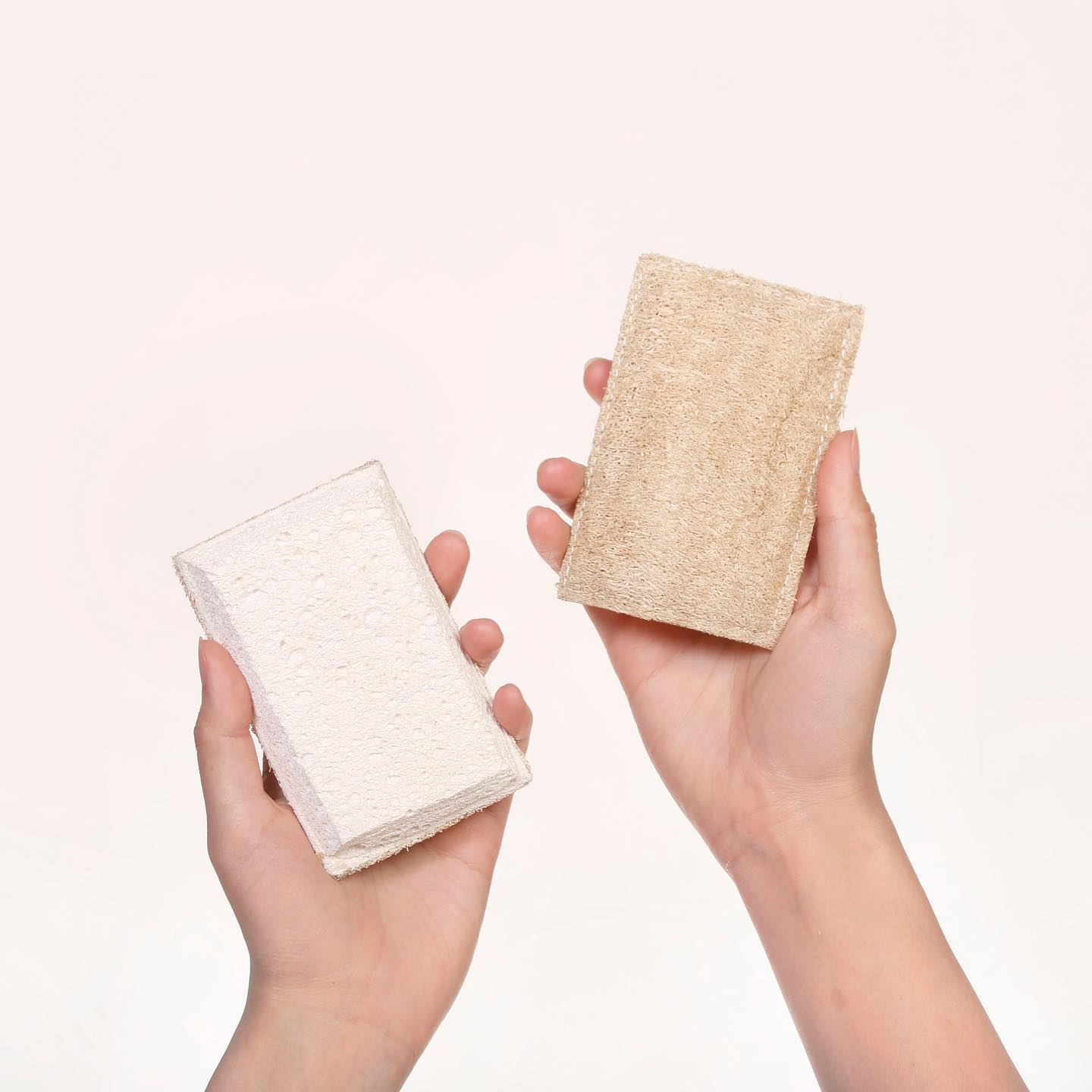
Natural sea sponges are luxurious, eco-friendly bath and skincare tools, prized for their gentle exfoliation and superior lather. However, their organic nature means they require proper care to prevent bacterial growth and extend their lifespan. This comprehensive, SEO-optimized guide will teach you how to clean a natural sponge effectively, ensuring it stays fresh, hygienic, and durable.
Why Regular Cleaning is Non-Negotiable
A natural sponge is a living skeleton of a marine organism, featuring a complex porous structure. This structure traps dead skin cells, soap residue, and moisture, creating an ideal environment for mold, mildew, and bacteria like Pseudomonas aeruginosa. Regular cleaning prevents odors, maintains sponge softness, and protects your skin from potential infections.
Step-by-Step: How to Clean Your Natural Sponge
Follow this routine after every few uses and for deep cleaning.
1. Immediate Rinse (After Each Use)
- Step: Rinse the sponge thoroughly under warm running water.
- Action: Squeeze it repeatedly until the water runs clear, ensuring all soap and debris are expelled.
- Key: Never wring or twist, as this can tear the fibers. Gently squeeze instead.
2. Weekly Deep Clean
Choose one of these effective methods:
Vinegar Soak (Best for Disinfection & Odor Removal):
- Mix one part white vinegar with four parts cool water in a bowl.
- Submerge the sponge fully and let it soak for 1 hour.
- Rinse thoroughly with cool water until the vinegar smell is gone.
Bleach Solution (For Heavy Disinfection):
- Mix 1 tablespoon of regular bleach with 1 quart of cool water.
- Soak the sponge for no more than 5 minutes to avoid fiber degradation.
- Rinse EXTENSIVELY under cool running water until no bleach scent remains.
Hydrogen Peroxide Soak (Gentler Alternative):
- Use a 3% hydrogen peroxide solution.
- Fully submerge the sponge for 15-30 minutes.
- Rinse thoroughly with cool water.
3. Drying Thoroughly (The Most Critical Step)
- After rinsing, squeeze out excess water.
- Pat with a dry towel to absorb moisture.
- Place the sponge in a well-ventilated, dry area away from direct sunlight and heat. Avoid dark, damp showers. Consider a sponge holder with drainage.
Comparison of Cleaning Methods
| Method | Solution Ratio | Soak Time | Best For | Pros | Cons |
|---|---|---|---|---|---|
| White Vinegar | 1:4 (vinegar:water) | 60 min | Weekly maintenance, odor removal | Natural, disinfects, deodorizes, safe for fibers | May retain slight scent if not rinsed well |
| Diluted Bleach | 1 tbsp bleach:1 qt water | 5 min | Severe mildew/disinfection | Powerful sanitizer, kills most pathogens | Harsh, can degrade fibers over time, must rinse thoroughly |
| Hydrogen Peroxide | 3% solution | 15-30 min | Gentle sanitization | Effective disinfectant, no strong odor, color-safe | Less effective on heavy mildew, slower acting |
| Salt Water | 2 tbsp sea salt:1 cup water | 30 min | Quick refresh, mineral buildup | Natural, can help harden sponges slightly | Less disinfecting power, not for deep cleans |
Dos and Don’ts of Natural Sponge Care
| Do’s | Don’ts |
|---|---|
| Rinse thoroughly after every use. | Never leave it sitting in a pool of water or soap dish. |
| Squeeze gently to remove water. | Wring, twist, or pull, as this causes tearing. |
| Dry completely in open air. | Store it in a sealed container or damp shower area. |
| Clean deeply at least once a week. | Use hot water, which can break down the fibers. |
| Replace every 3-6 months depending on use. | Use on broken or sensitive skin if the sponge is old. |
When to Replace Your Natural Sponge
Even with perfect care, natural sponges have a finite lifespan. Replace your sponge when you notice:
- A persistent foul odor that won’t wash out.
- The texture becomes slimy or excessively soft.
- It starts falling apart or shedding fragments.
- Discoloration that is deep-set and mold-like.
Typically, a well-cared-for natural sponge lasts 3 to 6 months.
SEO-Optimized FAQs: How to Clean a Natural Sponge
How often should I clean my natural sea sponge?
Rinse it thoroughly after every single use. Perform a deep cleaning soak (like with vinegar) at least once a week.
Can I boil a natural sponge to sterilize it?
No. Boiling water is too harsh and will cause the delicate natural fibers to break down and disintegrate, drastically shortening its life.
Why does my natural sponge smell?
A foul smell indicates trapped bacteria, mildew, or organic matter. A deep vinegar soak can often resolve this. If the smell persists, it’s time to replace the sponge.
Is it safe to use a natural sponge on my face?
Yes, its gentle exfoliation is excellent for facial use. Ensure it is dedicated to facial use only, cleaned meticulously, and completely dry between uses to maintain hygiene.
Can I use my natural sponge for makeup application?
It’s not recommended. Makeup is very difficult to fully clean out of the porous structure, leading to rapid bacterial growth.
Conclusion: Clean Sponge, Happy Skin
Properly learning how to clean a natural sponge is simple but essential. By incorporating a quick post-use rinse, a weekly vinegar soak, and, most importantly, ensuring it dries completely, you can enjoy the benefits of your natural sponge for months. This routine protects your investment, maximizes its performance, and, most critically, safeguards your skin’s health. Embrace these easy care steps to make your sustainable, luxurious bathing companion last.