How surface disinfectant wipes support fast, consistent hygiene in workplaces
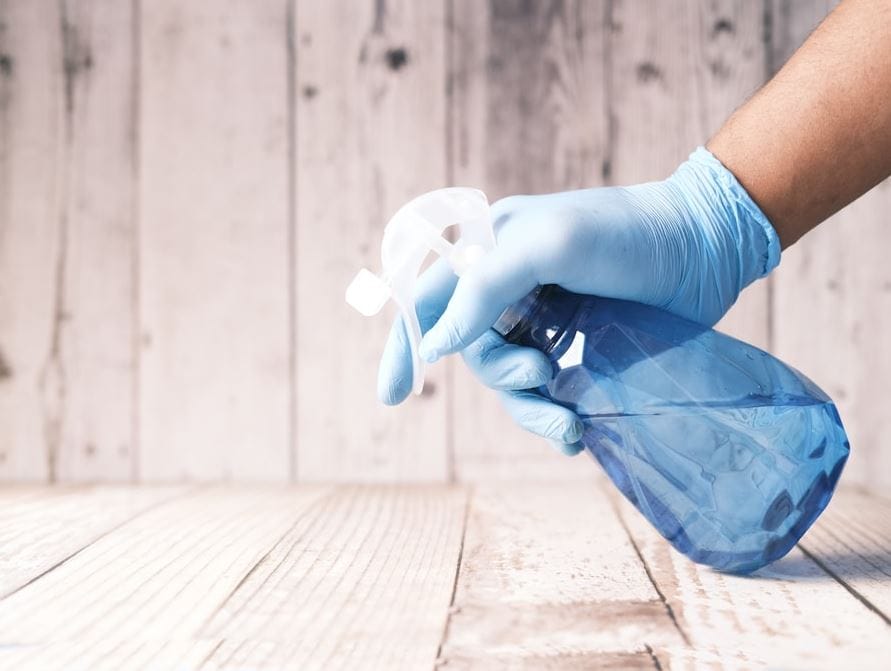
Fast-paced workplaces rely on simple, reliable hygiene tools that help teams maintain clean environments without slowing daily operations. Ready-to-use products have become essential, and surface disinfectant wipes are now widely adopted across offices, healthcare facilities, education, transport and food-adjacent settings. By reducing preparation steps and offering predictable performance, they support consistent routines that fit naturally into staff workflows.
Enabling quick, repeatable daily hygiene
Workplaces increasingly need hygiene measures that are easy to repeat throughout the day. Surface disinfectant wipes provide a controlled amount of liquid and a uniform wiping material, reducing the variability that can occur with sprays and cloths. This helps teams meet internal cleanliness standards, particularly in shared spaces such as meeting rooms, reception areas and production zones.
Read more about surface disinfectant wipes here: https://www.arxada.com/en/hygiene/hygiene-emea/hard-surface-disinfectant-cleaner—disinfectant-wipes-
Improving workflow efficiency for diverse teams
In many workplaces, hygiene responsibilities are shared between professional cleaning teams and general staff. Surface disinfectant wipes simplify this shared model: no dilution, minimal storage space, and easy distribution into satellite areas such as break rooms, vehicles or reception desks.
Wipes also support rapid response when spills, contamination events or peak visitor periods occur. Their grab-and-use format enables immediate action, reducing downtime and keeping workspaces continuously prepared for employees and customers. This is particularly valuable in multi-site organisations that depend on uniform processes across different buildings or countries.
Strengthening confidence in workplace standards
Visible hygiene efforts reassure employees and visitors that the organisation is committed to maintaining a clean environment. Placing wipe packs in strategic points—lobbies, meeting rooms, production lines—encourages proactive use. When combined with clear internal guidance, organisations build a culture of routine hygiene that complements broader cleaning strategies.