How Old Pipes Can Quietly Damage Your Home’s Foundation
How Old Pipes Can Quietly Damage Your Home’s Foundation
- Ageing pipes can quietly weaken the ground beneath a home’s foundation
- Leaks often go unnoticed because they occur in hidden spaces
- Signs of stress include wall cracks, uneven floors, and damp odours
- Preventative inspections and modern upgrades reduce costly risks
You do not really think much about the pipes that are under your floors and behind your walls. They are hidden, out of sight, and quietly work their job day in day out. But the same pipes can directly affect the health of your home. As they grow old and start to fail, the aftereffects are not always immediately apparent. Rather, water may slowly infiltrate the soil under your foundation, undermining the very foundation your house is built on. What begins as a leak in the wall can end up being an expensive structural problem when not addressed.
Why Old Pipes Are Not Noticed
Most domestic plumbing issues do not start in the open, but rather in concealed areas as opposed to a leaky tap or a burst pipe. Pipes are frequently buried in the ground or hidden in walls, and it is hard to notice trouble until it has been long-standing. Metal rusts, joints become loose, and tiny cracks develop over the years. It is a slow process and therefore hardly catches attention at the beginning.
Even when the warning signs are subtle, like a slight decrease in water pressure or a damp patch here and there, they can be easily ignored as trifles. The damage accumulates so gradually that homeowners do not always relate these indications to underlying problems until more pronounced problems emerge. This delay between when a leak begins and when the damage to the foundation is detected is what makes older plumbing such a silent threat.
The Connection Between Soil Movement and Leaks
When water comes out of pipes, it does not remain in one place. It leaks into the soil, gradually changing the conditions under your house. The wet soil is always unstable and with time, it can either swell up, shrink or be washed away completely. This motion causes an asymmetrical bearing on the foundation above. A leakage, however minor and consistent, can alter the composition of the soil to the extent that it imposes structural stress.
As the ground moves, the foundation starts to crack, letting in more moisture. The swelling and shrinking caused by the soil when it is wet and dry can also increase the damage in areas where the soil is heavy in clay. What might start as a small leak can be silently extended to a larger issue in the whole house.
Typical Foundation Stress Symptoms
When the ground under a home begins to be compromised by old pipes, the consequences usually manifest themselves in minor but noticeable forms. One of the first warning signs is cracks that creep along interior walls. Floors which previously seemed even might start to slope, and furniture lean or roll slightly. Doors and windows may become stiff or crooked, and get stuck in frames which were formerly fitted without difficulty.
Changes that are related to moisture are also evident. The damp odour of basements or crawl spaces can be an indicator of entrapment. Dark stains or patches of mould along skirting boards will tend to indicate water leaking in at the bottom. It is easy to confuse these symptoms with other unrelated problems such as humidity or wear and tear caused by old age but in most cases it is the leaks in the plumbing systems that cause the foundations to develop such symptoms.
The Professional Help
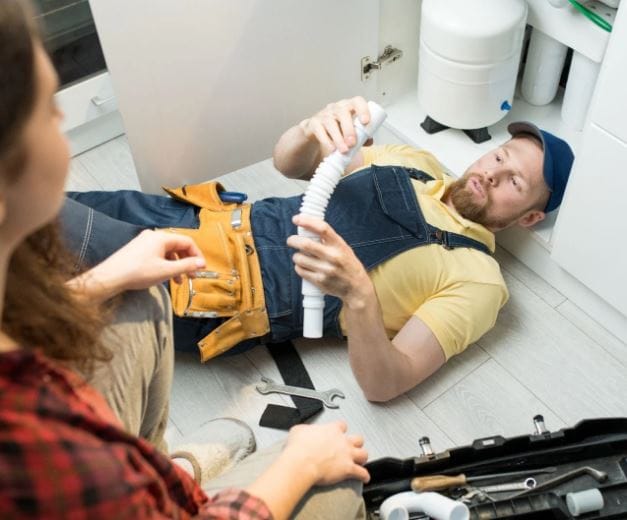
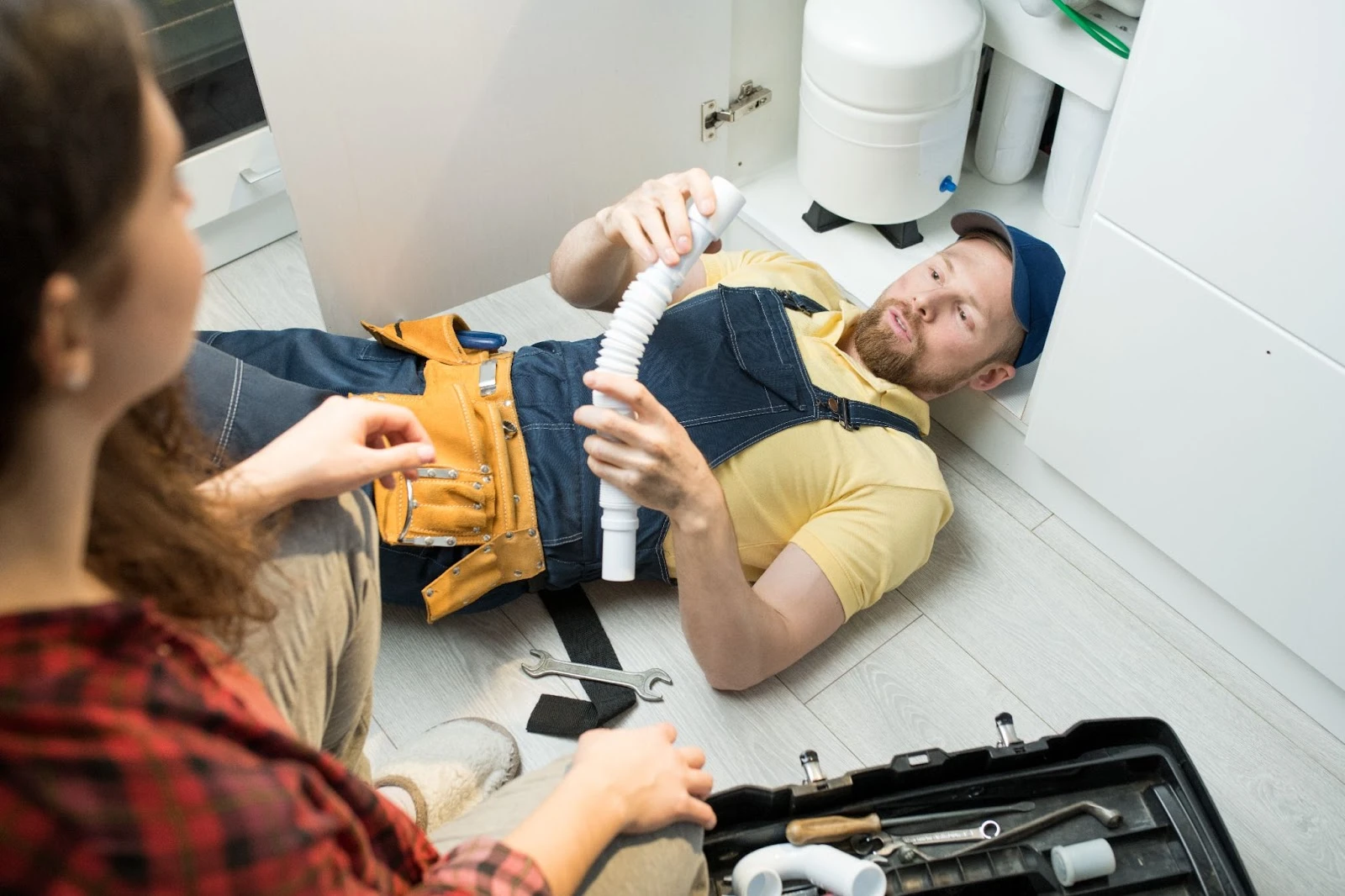
Since the initial symptoms of damage may be insidious or false, professional examination is frequently the sole method of identifying the actual cause. Experts employ equipment and test procedures to monitor invisible leaks. They are able to identify whether the movement of soil is related to the escaping water in the underground pipes or whether there is another structural problem at stake.
In many cases, plumbers are called in alongside engineers or building inspectors to provide a complete picture of what’s happening beneath a property. Their experience in identifying leaks and repairing damaged areas of piping can be the difference between a repair that is easily manageable and permanent foundation instability. In the case of homeowners, this kind of inspection is usually the most economical step that they can undertake before the cracks become larger or the floors become more displaced.
Preventing Future Damage
Repairs are costly and disruptive once foundation problems have started. This is why it is always better to prevent than cure. Periodic plumbing check-ups are useful in detecting weak areas in the old systems before they become weak enough to break down. The newer piping materials are expected to be more durable and resistant to corrosion, so they are a good upgrade in homes that have older fittings.
In addition to inspections, homeowners can mitigate risk by keeping track of water consumption and being mindful of water pressure, flow, or unexplainable rises in water bills. These daily indicators are usually the first sign that something is not functioning as it should in the underground. Early action on these small warnings can save a household a great deal of bigger structural trouble later.
Conclusion
A good base is the key to a safe and permanent house, but unknown water damage can weaken it without any noise. You can keep the framework that holds all the above in place intact by being vigilant to the initial signs of stress and investing in preventative care. Knowledge and early intervention ensure your home is stable and safe in decades to come.