How Can Glazed Sliding Doors Transform Your Home Interior?
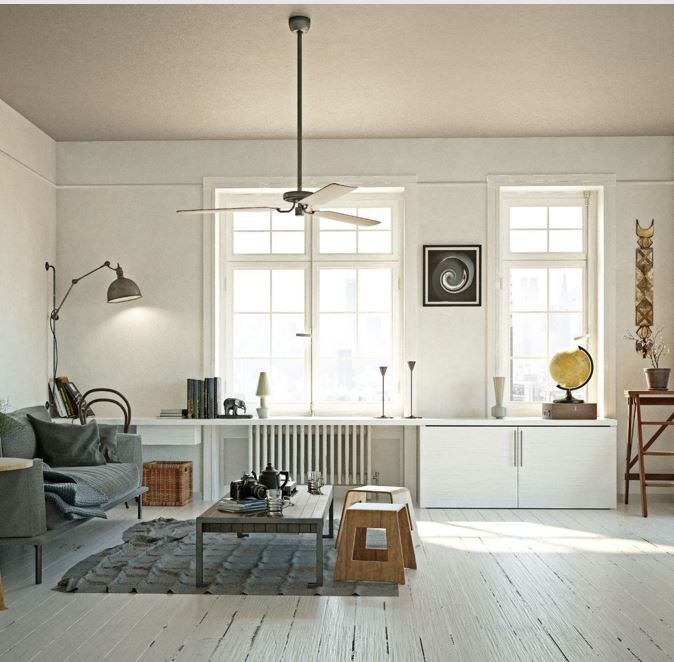
Double glazed sliding doors can shift the whole mood of a home interior almost straight away. The light changes first, then the way the room feels when you are standing in it. Sometimes it is only after a few days that you realise the space looks calmer and more open, simply because that solid wall has become glass.
How Do Modern Sliding Glass Doors Change the Feel of a Room?
A wide sliding opening makes a room feel less boxed in because your eyes keep moving past the frame. That extra visual depth can be noticeable in everyday spaces like a lounge where the furniture used to feel pressed up against the walls.
This is also where choosing the right wall colors starts to matter more than people expect. With stronger daylight coming through, paint can look warmer in the morning, then cooler later on, so the tone you pick ends up shaping the whole atmosphere.
Picture a living room that opens onto a small garden courtyard. Even when the door is closed, the room often feels more connected to the outside, almost like the interior has gained another layer.
What Practical Standards Matter When You Install Large Glass Doors?
Large sliding glass systems need to meet Australian safety requirements because they are part of the building structure, not just a decorative feature. Installers commonly work within Australian glazing safety standards for homes, which helps ensure the glass choice is suitable for human impact and long-term residential use.
That kind of compliance can come up early in a renovation, especially when the opening is wide and the panels are heavy. A developer working on multi-unit interiors may run into these checks during approvals, so it is worth being aware of them.
Why Does Double-Glazing Make Interiors Quieter and More Comfortable?
Insulated glazing often changes the way a room sounds. The outside world feels a little further away, which can be a relief if your home sits near traffic or a busy pedestrian area.
Temperature can feel steadier too. Low-e glass may reduce harsh heat coming through in summer, and on cooler evenings the room can hold warmth in a more even way. It is the kind of comfort you notice when you are sitting down with a book and the space does not feel drafty.
Think of a townhouse facing a main road, where the living area finally feels more serene once the door system is upgraded.
How Can Sliding Door Design Improve Space and Daily Living?
A sliding format frees up floor space because there is no swing path cutting into the room. That small change can affect how you place a sofa, where you walk through, and how the space works when people are moving in and out.
Some systems are also designed for wider multi-panel spans, so you get a broader opening without breaking the view into awkward sections. And features like low-threshold sill detailing can feel more natural underfoot, especially for young families or older residents.
Imagine a ground-floor dining area that leads straight to an outdoor table. That easy transition becomes part of daily life, not a special occasion feature.
What Style Details Make Sliding Doors Look More Architectural?
The door frame and hardware are what you end up seeing and touching every day, so the details really matter. Slim sightlines often feel cleaner in contemporary interiors, while stronger profiles can suit more substantial architectural homes.
Handle design adds another layer. A well-finished pull, smooth rollers, and a solid track can make the whole door feel intentional, not flimsy or temporary.
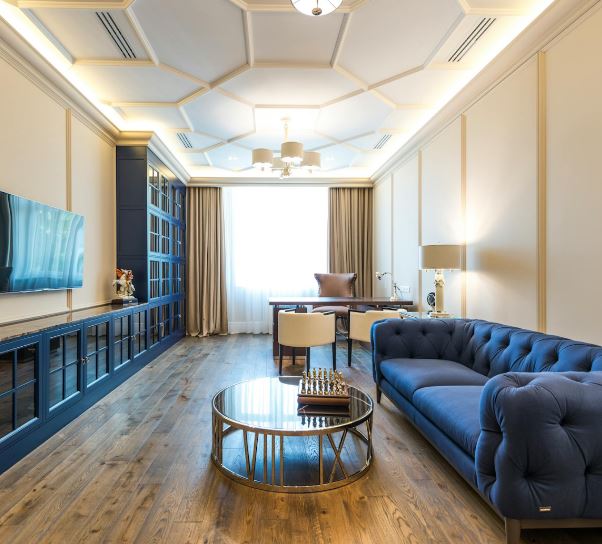
You can picture it in a renovated suburban home with timber floors and soft interior finishes. The sliding glass wall becomes part of the design language, not something that looks added on later.
How Do You Choose the Right Sliding Door Setup for Your Home?
The best configuration usually depends on how you actually use the space. Panel sizing, ventilation needs, and where the opening faces can all shape what will feel right once you are living with it.
It can also help to think about your daily routines. Do you step outside with a coffee in the morning, or do the doors mainly stay closed while you cook and relax inside? Small habits like that often influence whether a two-panel layout feels enough or whether a wider span suits the way your home flows.
In some Australian areas, extra considerations may come into play, such as bushfire-related BAL requirements or added screening where security and fall prevention are part of the build design.
For example, a coastal home may focus more on strong weather seals, while a backyard extension might prioritise that everyday connection between the kitchen and the garden.
If you want sliding door solutions that balance interior style, energy-aware glazing, and custom sizing, Rylock is a direct option to contact for your project.