Finding the Right Replacement Windows in Newtown, PA
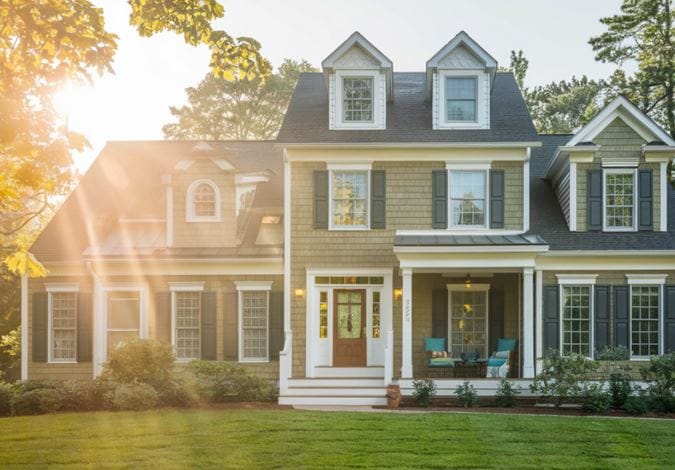
Window replacement ranks among the most impactful home improvements you can make. Beyond aesthetics, new windows fundamentally alter how your home performs—reducing energy waste, eliminating drafts, and often increasing resale value. For homeowners in Newtown, PA, where seasonal temperature swings test older windows year-round, understanding what separates quality replacements from mediocre ones matters more than ever.
Why Newtown’s Climate Demands Better Windows
Newtown experiences humid summers that push air conditioning systems hard, followed by winters cold enough to expose every gap in your home’s thermal envelope. Windows installed even 15 years ago often lack the insulation technology now standard in quality replacements.
The performance gap shows up in several ways:
- Energy efficiency: Modern multi-pane windows with low-emissivity coatings can cut heating and cooling costs by 15-30% compared to single-pane units.
- Comfort consistency: Advanced glazing and improved seals eliminate the cold zones near windows that make rooms uncomfortable in winter.
- Noise reduction: Better insulation doesn’t just block temperature transfer—it dampens street noise and creates quieter interior spaces.
- Property value: Updated windows signal to buyers that a home has been maintained, often returning 70-80% of installation costs at resale.
Replacing underperforming windows addresses these issues directly, transforming how your home feels and functions throughout the year.
What Defines High-Quality Window Replacement
Not all replacement windows deliver the same performance. Quality differences emerge in materials, construction methods, and energy specifications that aren’t always visible during showroom visits.
Key factors that separate superior products from budget alternatives:
- Frame materials: Vinyl offers low maintenance and solid insulation at moderate cost. Wood provides classic aesthetics and excellent thermal performance but requires periodic refinishing. Fiberglass delivers the best strength-to-weight ratio and handles temperature extremes without warping, though at premium prices.
- Glazing technology: Double-pane windows filled with argon or krypton gas outperform air-filled units. Low-E coatings reflect infrared light, keeping heat inside during winter and outside during summer. Triple-pane construction adds another performance tier for homes prioritizing maximum efficiency.
- Installation quality: Even premium windows fail when improperly installed. Gaps around frames, inadequate flashing, and poor sealing negate the benefits of advanced glazing technology.
- Manufacturer reputation: Companies with decades-long track records and comprehensive warranties typically produce more reliable products than newcomers offering suspiciously low prices.
Matching Window Styles to Your Home
Replacement windows come in configurations designed for different architectural needs and aesthetic preferences. Choosing the right style affects both function and curb appeal.
Common replacement window types include:
- Double-hung windows: Both sashes slide vertically, offering ventilation control and easy cleaning from inside. They suit traditional home styles and remain the most popular choice in the Northeast.
- Casement windows: Hinged at the side and operated with a crank, these windows seal tightly when closed and provide unobstructed views. They work well in contemporary designs and tight spaces where sliding sashes would be impractical.
- Sliding windows: Horizontal operation makes these ideal for wide openings with limited vertical clearance, such as above kitchen sinks or in basements.
- Bay and bow windows: These projecting designs create interior nooks while adding architectural interest to flat facades. They require structural support and professional installation but dramatically transform room character.
- Awning windows: Hinged at the top and opening outward, these allow ventilation even during light rain. They’re often paired with fixed picture windows in modern designs.
Material selection intersects with style choice. Vinyl suits most applications and budgets. Wood appeals to homeowners restoring historic properties or seeking traditional aesthetics. Fiberglass handles large window sizes without the structural reinforcement wood or vinyl require, making it popular for contemporary designs with expansive glass.
Recent Advances in Window Technology
Window engineering has progressed significantly in recent years, introducing features that would have seemed futuristic a decade ago. These innovations address both performance and convenience.
Notable developments reshaping the replacement window market:
- Electrochromic glass: Smart windows that tint automatically in response to sunlight reduce glare and heat gain without curtains or blinds. While still expensive, prices have dropped as commercial applications expand.
- Warm-edge spacers: The material separating glass panes in insulated units now uses low-conductivity composites instead of aluminum, reducing heat transfer at window edges where condensation typically forms.
- Improved gas fills: Krypton gas provides better insulation than argon in narrow gaps, enabling high-performance windows with slimmer profiles that suit renovation projects with size constraints.
- Acoustic lamination: Sound-dampening interlayers between glass panes can reduce noise transmission by 30-40% compared to standard insulated glass, valuable for homes near busy roads.
Selecting a Window Contractor in Newtown
Installation quality determines whether premium windows deliver their promised performance. Finding contractors who combine technical skill with business reliability requires more diligence than simply comparing quotes. In the Newtown area, a few established options worth evaluating include Tom Adams Windows & Carpets, Renewal by Andersen, and Window Nation — each with a footprint in the greater Bucks County market.
Steps for identifying qualified window installers:
- Verify credentials: Pennsylvania requires home improvement contractors to register with the Attorney General’s office. Confirm registration status and check for complaints or violations.
- Assess experience: Contractors specializing in window replacement typically produce better results than general remodelers who occasionally install windows. Ask how many projects they complete annually and request references from recent jobs.
- Review insurance coverage: Both general liability and workers’ compensation insurance protect you from financial exposure if accidents occur during installation. Request certificates and verify coverage directly with insurers.
- Compare detailed proposals: Quality contractors provide itemized estimates specifying window models, installation methods, warranty terms, and project timelines. Vague quotes often signal inexperience or intentional ambiguity.
- Examine past work: Photos show finished appearance, but visiting completed projects reveals installation details like trim work, flashing integration, and interior finishing that separate careful craftsmen from rushed installers.
The Value of Working with Local Window Companies
National chains dominate window replacement advertising, but local companies often provide advantages that offset any perceived convenience of larger operations.
Benefits of choosing locally-based window contractors:
- Regional expertise: Local companies understand Pennsylvania building codes, climate-specific performance requirements, and architectural styles common to Bucks County. This knowledge informs product recommendations and installation techniques.
- Accountability: Businesses dependent on community reputation respond more urgently to service issues than distant corporations managing thousands of installations across multiple states.
- Faster response: Proximity enables quicker scheduling for consultations, measurements, and warranty service compared to regional operations coordinating crews across large territories.
- Economic impact: Money spent with local contractors recirculates through the community rather than flowing to corporate headquarters in other states.
Local companies also tend to maintain relationships with regional suppliers, sometimes accessing product lines or pricing unavailable through national retail channels.
Understanding the Installation Process
Knowing what happens during window replacement helps homeowners prepare their homes and set realistic expectations for project timelines and disruption.
Typical installation sequence for replacement windows:
- Initial assessment: Contractors measure existing openings, evaluate structural conditions, and discuss style preferences and performance priorities. Accurate measurements at this stage prevent costly delays later.
- Product selection and ordering: After reviewing options and receiving detailed proposals, homeowners select specific window models. Custom sizes typically require 4-6 weeks for manufacturing and delivery.
- Pre-installation preparation: Contractors protect flooring and furniture near work areas. Homeowners should remove window treatments, clear access paths, and relocate fragile items from rooms where work will occur.
- Removal of existing windows: Installers carefully extract old windows and inspect framing for rot, insect damage, or structural issues requiring repair before new units can be installed.
- Installation and sealing: New windows are leveled, shimmed, and secured to framing. Proper flashing integration and sealant application prevent water infiltration that causes long-term damage.
- Interior and exterior finishing: Trim work, insulation, and paint touch-ups complete the installation. Quality contractors leave work areas cleaner than they found them.
- Final inspection and operation review: Installers demonstrate proper window operation, explain maintenance requirements, and review warranty coverage before considering the project complete.
Most single-family homes require 2-4 days for complete window replacement, depending on the number of units and complexity of installation conditions. Weather can extend timelines, particularly for exterior finishing work.
Making the Investment Decision
Window replacement represents a significant home improvement expense, typically ranging from $8,000 to $25,000 for an average Newtown residence, depending on window quantity, style, and performance specifications.
Several factors influence whether replacement makes financial sense:
- Current window condition: Rotted frames, broken seals causing condensation between panes, and difficult operation signal that replacement will deliver immediate quality-of-life improvements beyond energy savings.
- Energy costs: Homes with high heating and cooling bills see faster payback from efficient windows than properties with moderate energy consumption.
- Ownership timeline: Homeowners planning to stay 7-10+ years capture more value from window replacement than those expecting to sell within a few years, though updated windows do enhance marketability.
- Available incentives: Federal tax credits for energy-efficient windows can offset 30% of costs up to certain limits. Some utility companies offer additional rebates for high-performance installations.
Quality replacement windows transform how homes perform in Newtown’s demanding climate while updating appearance and increasing value. Homeowners who research products thoroughly, select experienced contractors, and prioritize proper installation over lowest price typically report high satisfaction with results that improve daily comfort for decades.