Essential Tips for Cleaning Your Coffeemaker Effectively
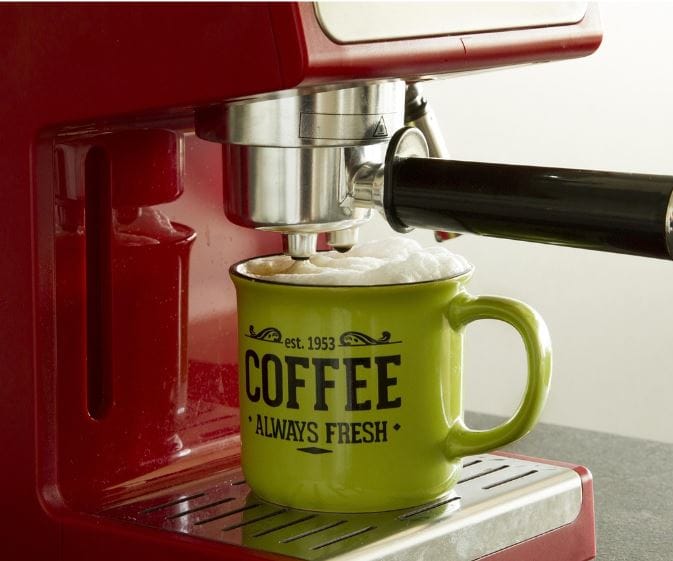
Are you ready for a coffee machine revelation?
That coffee machine you’re staring at right now could be one of the dirtiest places in your entire kitchen. In fact, 50% of coffee makers are found to have mold and yeast in them in a recent National Science Foundation study.
And here’s a little secret for you:
73% of Americans drink coffee every day. Yup, I said it. 73% of you are reading this. That’s over 240 million people that are potentially brewing their coffee with bacteria, mold and other nasties inside their machines.
The even better news? It’s easy to deep clean your coffee maker, and you’ll see an instant improvement both in the taste of your coffee and your health. Whether you’re brewing with premium bulk coffee or your everyday blend, a clean machine makes all the difference.
What you’ll learn:
- Why Your Coffee Maker Is A Bacteria Breeding Ground
- The Hidden Health Risks You’re Drinking
- Step-By-Step Deep Cleaning Methods That Actually Work
- Daily Maintenance Tips To Keep Your Machine Spotless
- When To Replace Parts (And When To Replace The Whole Thing)
Why Your Coffee Maker Is A Bacteria Breeding Ground
Stop and think about this for a second…
Your coffee maker has everything bacteria and mold need to grow and multiply. It’s dark, it’s warm and it’s constantly moist. You throw in coffee grounds and let the water sit in the reservoir. You are basically creating a five star hotel for microorganisms.
Here’s what’s actually going on inside your machine:
The worst part is the water reservoir. It sits between each use, so the environment is just perfect for yeast and mold to multiply. The carafe isn’t much better either — coffee oils and residue build up over time, creating a sticky film that bacteria love to feast on.
And those hard to reach internal parts? It’s even worse there because you can’t see what’s growing in there.
The majority of people assume that the hot water kills everything, but it’s wrong. The water in most coffee makers doesn’t even get hot enough to sterilize the system. It needs to reach the boiling point and stay there for at least one minute to kill harmful bacteria.
That is not happening in your average drip coffee maker.
The Hidden Health Risks You’re Drinking
I need to let you in on a little secret most coffee drinkers don’t know…
When you neglect to clean your coffee maker on a regular basis, you’re not just suffering from bad-tasting coffee. There’s the possibility of being exposed to some very serious health risks.
Researchers have found everything from E. coli to Salmonella in dirty coffee makers. About 9% of coffee reservoirs tested positive for coliform bacteria, which is the same kind you find in fecal matter.
Yep, that’s right. Gross.
But it gets even worse. Mold exposure has been linked to sneezing and sinus congestion, respiratory problems, headaches, digestive issues and skin irritation.
People with compromised immune systems or allergies can be even more at risk of these problems. And the thing that makes me the most mad about this is that it is 100% preventable by cleaning.
Step-By-Step Deep Cleaning Methods That Actually Work
You want to turn your coffeemaker from a bacteria breeding ground into a clean, happy brewing machine right?
Let’s get you clean.
The vinegar method (aka my personal favorite method)
Here is the method I’ve been using for the past few years because it works and it’s cheap.
Pour equal parts white vinegar and water into the water reservoir. If it’s super dirty, use 2 parts vinegar to 1 part water.
Turn it on and start a brew cycle like you normally would. Don’t put any coffee in there. Let it run until the carafe is about halfway full. Once it’s halfway full, turn the machine off.
Here’s the crucial step: Let that vinegar solution sit in your machine for 30-60 minutes. This gives the acid time to break down any mineral deposits and kill the bacteria.
Finish the brewing cycle then run 2-3 more cycles of plain water through the machine to flush out any of the vinegar taste. Trust me, you don’t want vinegar flavored coffee.
While the vinegar is working its magic, take apart the other removable parts and give them a scrub. Empty the carafe and wash it with warm, soapy water. Add a handful of uncooked rice to help scrub away those stubborn stains and oils.
Make sure you clean the filter basket as well. This thing gets nasty really fast. Scrub away any coffee oils and residue with a soft brush.
I know that sounds like a lot but you’ll feel so good about clean coffee once you do it for the first time!
Daily Maintenance Tips To Keep Your Machine Spotless
Are you ready for the secret of never dealing with a gross coffeemaker ever again?
Clean it as part of your daily routine.
It’s that simple. Rinse out the carafe and the filter basket with warm water after each use. That simple step will prevent coffee oils from building up and creating that sticky film bacteria love so much.
Empty the water reservoir every time as well. Leaving water in there is like throwing a welcome party for every microorganism in your kitchen.
And here’s a pro tip: Leave the reservoir lid open between uses as well. This will help everything dry out completely, making it much harder for mold and bacteria to set up shop.
You should even wipe down the outside each day. Those drips and fingerprints aren’t just ugly, they can harbor bacteria as well.
With your newly clean machine, you’ll be able to fully appreciate the quality and flavor of your coffee beans without any contamination from bacteria and old coffee residue.
When To Replace Parts (And When To Replace The Whole Thing)
Even with religious cleaning, some parts will eventually need to be replaced.
Replace your water filter every 2-3 months at the least. Most people completely forget this, but a dirty filter can re-introduce bacteria and off flavors back into your coffee.
If you notice any cracks in your carafe or reservoir, replace them as soon as possible. Cracks are great little nooks for bacteria to hide in that no amount of cleaning is going to help with.
Here is when to consider replacing your entire machine:
If the mineral buildup is so severe that nothing seems to help with the descaling process. If you can visibly see mold that won’t come off with any cleaning. If the machine is over 5 years old and beginning to show signs of wear.
There’s no point in fighting with an old, contaminated machine. A new one will provide you with better coffee, and more peace of mind as well.
Wrapping it all together
Cleaning your coffeemaker is not just about improving the taste of your coffee. It’s about keeping your family safe and healthy.
With over 73% of Americans drinking coffee every day, proper machine maintenance should be at the forefront of your mind. The combination of moisture, warmth, and organic material is a recipe for bacterial growth and replication.
The good news is that regular cleaning with simple household items like vinegar can completely eliminate these dangers. Set up a routine and stick to it and you will be brewing clean, delicious coffee every single day.
Remember: the best coffee starts with the cleanest equipment. Don’t let bacteria and mold ruin your daily brew.