Essential Lawn Tips for a Picture-Perfect Yard

Creating a stunning lawn that catches the eye of your neighbors involves much more than just mowing your grass every now and then. A well-maintained yard provides a serene outdoor environment for relaxation and entertainment. Knowing the essentials of lawn care can make all the difference. Whether you’re a seasoned gardener or a novice looking to impress, understanding key principles can lead to a lush, green landscape.
Understanding Your Lawn Type
Before embarking on your lawn care journey, it’s vital to identify your specific type of grass. Various grass types thrive in different climates and require varying levels of care. Cool-season grasses like Kentucky bluegrass and tall fescue flourish in the northern regions where the temperatures are more temperate. Conversely, warm-season grasses, such as Bermuda and Zoysia, are ideal for southern climates where the summer heat is intense. Understanding your lawn type is the first step toward tailoring your care techniques effectively.
Mowing Techniques
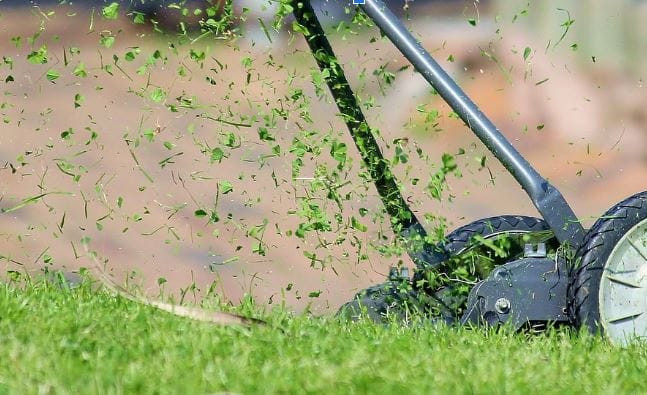
Mowing is often underestimated in the grand scheme of lawn care, yet it plays a significant role in maintaining a healthy yard. Aim to mow your lawn when the grass is dry; this helps in achieving a cleaner cut. You should never remove more than a third of the grass blade height in one mowing session. Cutting the grass too short can stress the plants and make them susceptible to disease and pests. It’s recommended to raise the mower blade height as the temperature increases, allowing the grass to grow thicker and shade out weeds. If you take a look at mowers from WORX, you’ll see how investing in advanced models can simplify upkeep by offering precision, automation, and smart features tailored for efficient lawn care. These tools help maintain consistent mowing height, which is crucial for long-term lawn health.
The Importance of Fertilization
Fertilization is a vital component of creating a vibrant lawn. Grass requires various nutrients to thrive, including nitrogen, phosphorus, and potassium. A balanced fertilizer can promote healthy root growth and lush foliage. It’s advisable to perform a soil test to determine the specific nutrient needs of your lawn. This practice ensures that you apply the right fertilizer at the right time. Most lawns benefit from fertilization in spring and fall, aligning with the growing seasons of the grass. Over-fertilizing can lead to a variety of issues, from burning the grass to attracting pests. Always follow the manufacturer’s instructions regarding application rates.
Irrigation: Timing is Everything
Proper irrigation is crucial for maintaining a healthy lawn, particularly in warmer months when moisture loss is rapid. It’s vital to water deeply and infrequently rather than applying light amounts daily. This practice encourages deeper root growth, thereby fostering a more resilient lawn. The best time to water is early morning when temperatures are cool, minimizing evaporation losses. An approximately one-inch layer of water each week is ideal for most grasses, and this can include rainfall. Utilizing automatic sprinklers with timers can help optimize your watering routine while preventing over-watering, which could drown the grass roots and cause fungal issues.
Pest and Weed Control
Maintaining a well-groomed lawn involves dealing with pesky weeds and pests. Weeds compete with your grass for resources, which can lead to poor health for your lawn. Regular mowing can help prevent weeds from seeding. Applying a pre-emergent herbicide in early spring can stop weed growth before it starts. For pest control, consider using integrated pest management techniques. These methods include physical removal, biological control, and chemical treatments. Always aim for the least toxic option first, ensuring the safety of beneficial insects and pets that may frequent your yard.
Enhancing Aesthetic Appeal
Beyond basic care, there are several techniques to enhance the aesthetic appeal of your lawn. Incorporating flower beds, borders, and pathways can significantly contribute to the beauty of your yard. Adding mulch around trees and shrubs can suppress weeds and conserve moisture. Consider planting perennials that bloom at various times of the year to ensure your lawn remains vibrant across seasons. Decorative elements such as garden statues or trellises can provide visual interest. By creatively arranging your plants and features, you transform your yard into a picturesque haven.
Year-Round Maintenance
Traditionally, caring for a lawn is viewed as a seasonal chore. Lawns require attention year-round. During the off-season, consider aerating the soil to alleviate compaction, ensuring nutrients and water penetrate deeply into the root zone. Overseeding in the fall can thicken grass stands and improve resilience. Preparing your lawn for winter, such as raking leaves and applying a winter fertilizer, can set the stage for robust growth when spring arrives. Establishing a year-round maintenance schedule will keep your lawn healthy and beautiful, regardless of season.
A picture-perfect yard is the result of consistent effort, informed choices, and timely care. By understanding your grass type, mastering mowing techniques, fertilizing appropriately, and managing water, pests, and weeds, you lay the groundwork for a thriving lawn. Enhancing visual appeal with thoughtful landscaping and maintaining your yard year-round ensures it remains lush and inviting through every season. With dedication and the right strategies, your lawn can become a standout feature that adds lasting value and beauty to your home.