Does Windex Freeze? The Cold, Hard Truth About Your Glass Cleaner
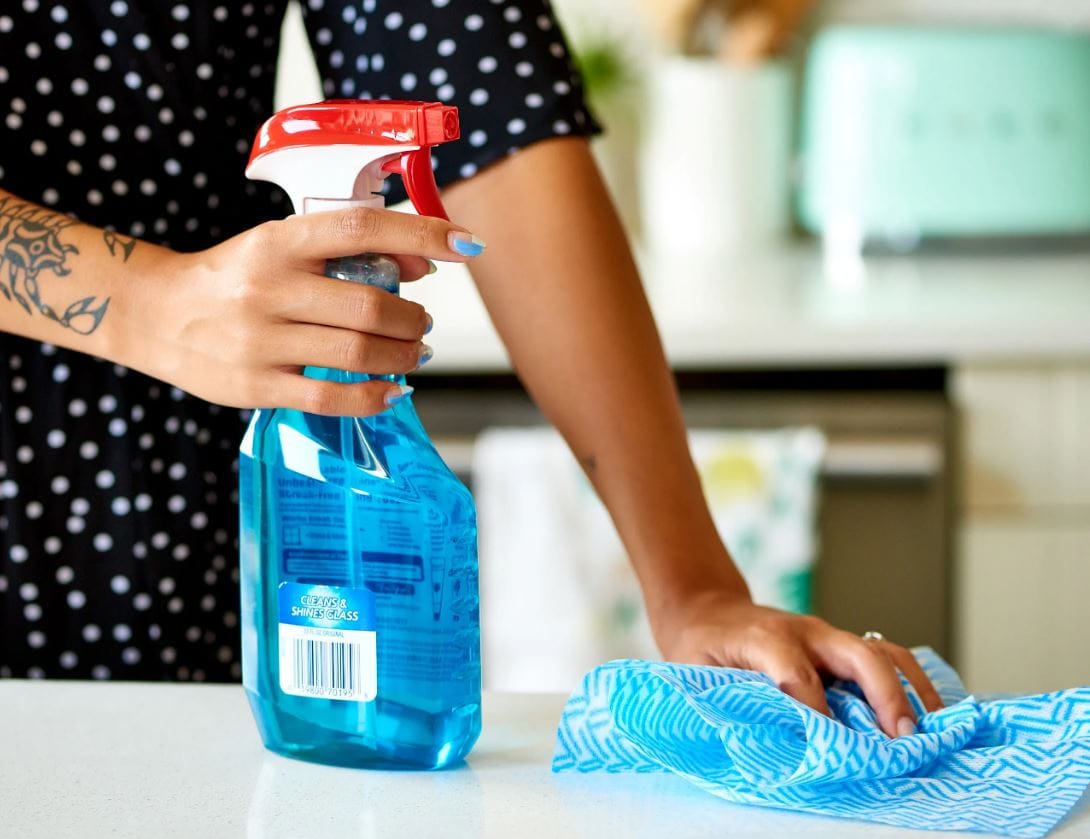
You’re doing some late-fall cleaning and storing your supplies in the garage, or maybe you’ve left your Windex in the car during a brutal winter night. A sudden thought strikes you: Does Windex freeze?
It’s a practical question for anyone who stores cleaning supplies in non-climate-controlled spaces. A frozen cleaner is not only inconvenient but could potentially ruin the bottle or the formula itself.
Let’s clear the air and break down the science behind Windex and freezing temperatures.
The Short Answer: Yes, Windex Can Freeze
Yes, standard blue Windex, and most other liquid cleaning products, will freeze if the temperature gets low enough. Windex is primarily composed of water, and water freezes at 32°F (0°C). However, the freezing point of Windex isn’t exactly the same as pure water due to its other chemical ingredients.
Why the Freezing Point of Windex Isn’t Straightforward
To understand why Windex freezes, we need to look at what’s inside the bottle. While formulas can vary, the classic blue Windex Original primarily contains:
- Water (Solvent): The main ingredient, making up the bulk of the solution.
- 2-Hexoxyethanol (Surfactant): Cuts through grease and grime.
- Isopropanolamine (Solvent and pH adjuster): Helps dissolve dirt.
- Ammonia: A powerful cleaning agent for cutting streaks.
- Fragrances and Dyes
The key players that affect the freezing point are water, isopropanolamine, and ammonia. These chemicals act as antifreeze agents, lowering the freezing point of the water in the mixture. This means Windex won’t turn into a solid block of ice at exactly 32°F (0°C); it will freeze at a slightly lower temperature.
At What Temperature Does Windex Freeze?
There isn’t a single, publicly listed freezing point from the manufacturer for every Windex variant. However, through user experiences and the principles of chemistry, we can estimate:
- Windex Original (Blue): Typically begins to slush or freeze completely in the range of 20°F to 25°F (-7°C to -4°C).
- Windex with Vinegar (or other formulas): May have a slightly different freezing point based on their specific chemical makeup.
As one HVAC technician noted on a forum discussing fluids in cold weather:
“Most water-based solutions with alcohol or ammonia will see their freezing point depressed. You’re not dealing with pure water, so you get a bit more leeway, but not an infinite amount. If it’s going to be a hard freeze below 20°F, you should bring it inside.”
What Happens When Windex Freezes?
The freezing process isn’t always an instant solid block. Here’s what you might observe:
- Slushing: The solution becomes a thick, slushy consistency.
- Separation: The water in the formula freezes first, which can cause the other chemicals to separate.
- Expansion: Like water, the solution will expand as it freezes. This can potentially warp the plastic bottle or, in rare cases, cause it to crack or leak.
- Complete Solidification: In sustained deep freeze conditions, the entire bottle will become a solid block of ice.
The Million-Dollar Question: Is It Still Usable After Thawing?
This is the most common concern. If your Windex has frozen, should you just throw it out?
Probably. While it might still clean, there are risks:
- Chemical Separation: The ingredients may not properly re-mix after thawing, leading to reduced cleaning effectiveness.
- Clogged Sprayer: Small ice crystals or separated solids can clog the delicate nozzle of the spray trigger, rendering it useless.
- Potential Formula Degradation: While unlikely for a one-time freeze, extreme temperature cycles can break down the active cleaning agents.
For the sake of a few dollars, it’s often safer and more effective to replace a bottle that has frozen and thawed.
Freezing Points of Common Household Liquids (Comparison Table)
To put Windex in context, here’s how it compares to other common household liquids:
| Liquid | Approximate Freezing Point | Notes |
|---|---|---|
| Pure Water | 32°F (0°C) | Baseline for comparison. |
| Windex Original | 20°F – 25°F (-7°C to -4°C) | Antifreeze agents lower the freezing point. |
| Rubbing Alcohol (70%) | -2.2°F (-19°C) | High alcohol content gives it a very low freezing point. |
| White Vinegar | ~28°F (-2°C) | Acetic acid lowers the freezing point slightly. |
| Bottled Soda | ~30°F (-1°C) | Sugar content depresses the freezing point. |
How to Prevent Your Cleaning Supplies from Freezing
An ounce of prevention is worth a pound of cure. Follow these simple tips to keep your Windex and other cleaners in perfect working order:
- Store Indoors: The simplest solution. Keep cleaners in a closet, under the sink, or in a basement that stays above freezing.
- Insulate Your Garage/Shed: If indoor storage isn’t an option, consider insulating the space where you store your supplies.
- Use a Thermal Container: For short-term storage in a cold car, placing the bottle in an insulated lunch bag can provide enough protection from overnight frost.
- Check the Forecast: Be proactive. If you know a deep freeze is coming, bring your garage-stored supplies inside for the night.
Final Verdict
So, does Windex freeze? Yes, it absolutely can and will if left in cold enough conditions. While its chemical formula gives it a bit of antifreeze protection, it’s not enough to withstand a typical winter in many climates.
To ensure your glass cleaner is always ready for a streak-free shine, the best practice is simple: store it at room temperature. If it does happen to freeze, it’s often best to play it safe and replace it. Your windows will thank you.