Does Windex Expire? A Clear-Cut Guide to Shelf Life and Safety
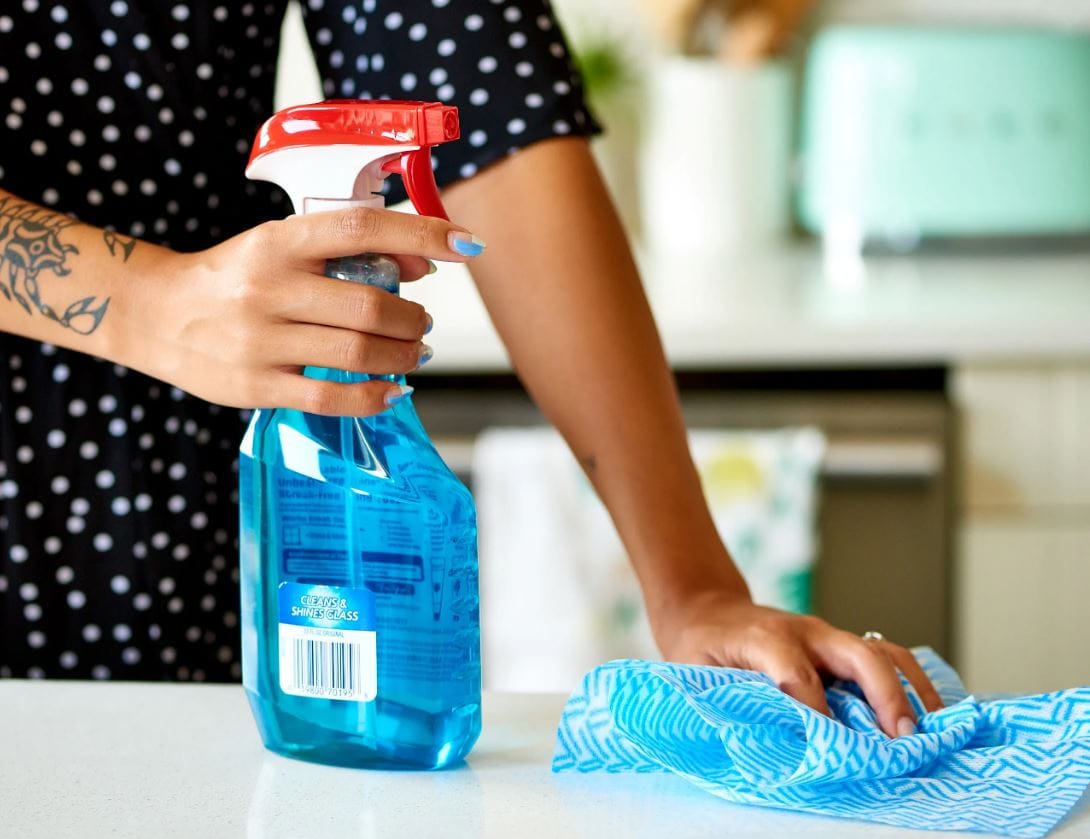
You rely on Windex for a streak-free shine on your windows and mirrors. But what happens when that bottle has been sitting in your cleaning closet for years? A common question we get is: does Windex expire?
The short answer is no, Windex does not have a formal expiration date. However, its effectiveness and safety can degrade over time. This guide will walk you through everything you need to know about the shelf life of your favorite glass cleaner.
The Official Word: Does Windex Have an Expiration Date?
If you scour a bottle of Windex from top to bottom, you will not find a printed “expiration date” or “best by” date. This is standard for many household cleaning products. Manufacturers, including S.C. Johnson & Son, the maker of Windex, design their products to be stable and effective for a considerable period when stored correctly.
Key Takeaway: “While Windex doesn’t technically expire, it is a chemical solution that can break down or become contaminated, leading to reduced cleaning power and potential safety concerns,”
Why “Unexpired” Windex Can Go Bad
Even without a set expiration date, several factors can cause your Windex to lose its efficacy or become unsafe. The main risks are evaporation, chemical separation, and bacterial growth.
1. Evaporation and Concentration
Many Windex formulas come in aerosol or trigger spray bottles. Over time, especially if not sealed tightly, the volatile solvents and water can slowly evaporate. This leaves the remaining liquid more concentrated, which can lead to streaking and a harder-to-rinse residue.
2. Chemical Breakdown and Separation
Windex is a mixture of surfactants, solvents, ammonia (in classic blue formulas), and water. Prolonged exposure to extreme temperatures (both hot and cold) or direct sunlight can cause these components to break down or separate. You might notice the solution becoming cloudy or layers forming.
3. Contamination: The Biggest Risk
The most significant issue with an old bottle of Windex is contamination. Each time you spray and then place the bottle down, you can introduce dirt, grime, and bacteria from the surface back into the nozzle or bottle. One expert notes:
“The primary concern with any ‘open-dated’ cleaning product is microbial contamination. Once you introduce external contaminants, you’re no longer just spraying a clean chemical solution onto your surfaces.”
How to Tell If Your Windex Has Gone Bad
Your senses are the best tool for determining if your Windex is past its prime. Look for these clear warning signs:
- Change in Color: Classic blue Windex should be a clear, bright blue. If it has turned cloudy, dark, or discolored, it’s time to discard it.
- Change in Smell: A strong, unusually foul, or “off” chemical smell is a red flag. Fresh Windex has a characteristic, clean ammonia scent (in classic formulas).
- Change in Consistency: If the liquid appears oily, has separated into layers, or feels thicker, the chemical formulation has been compromised.
- It Doesn’t Work: The most obvious sign? It simply doesn’t clean well anymore, leaving behind more streaks and smudges than it removes.
Windex Varieties and Their Longevity
Not all Windex is created equal. While the core reasons for degradation remain the same, different formulas may have varying stability.
Comparison Table: Windex Formula Shelf Life
| Windex Formula | Key Ingredient(s) | Stability & Common Issues |
|---|---|---|
| Classic Blue | Ammonia, Isopropanolamine | Very stable if sealed. Strong smell can intensify if concentrated. |
| Vinegar | Vinegar (Acetic Acid) | Acidic formula is naturally resistant to some bacteria. Smell can become more pungent. |
| Ammonia-Free | Surfactants & Solvents | Stable, but solvents can evaporate, reducing effectiveness. |
| Ready-to-Use Spray | Pre-mixed Solution | Same risks as all liquid formulas: evaporation, separation, contamination. |
| Concentrate Refills | Highly Concentated Formula | Most stable option. Unopened concentrates last for years. Once mixed with water, treat as a regular bottle. |
Best Practices for Storing Windex
To maximize the shelf life and effectiveness of your Windex, follow these simple storage tips:
- Keep it Sealed: Always secure the cap tightly after each use to prevent evaporation and contamination.
- Store in a Cool, Dry Place: Avoid garages or sheds where temperatures fluctuate wildly. Extreme heat accelerates chemical breakdown, and freezing can cause separation.
- Keep Away from Sunlight: UV rays can degrade the chemicals and dyes in the formula.
- Don’t Cross-Contaminate: Avoid touching the spray nozzle to dirty surfaces and never pour other chemicals or dirty water back into the bottle.
The Final Verdict
So, does Windex expire? No, not in the traditional sense. You won’t find an expiration date on the bottle. However, it does not last forever. For optimal performance and safety, it’s best to use most bottles within 2-3 years of purchase.
Trust your instincts. If your Windex looks, smells, or performs differently than it should, the safest and most effective choice is to recycle the old bottle and invest in a new one. Your windows will thank you for it with a perfect, streak-free shine.