Does Vinegar Disinfect Mouse Droppings? The Surprising Truth
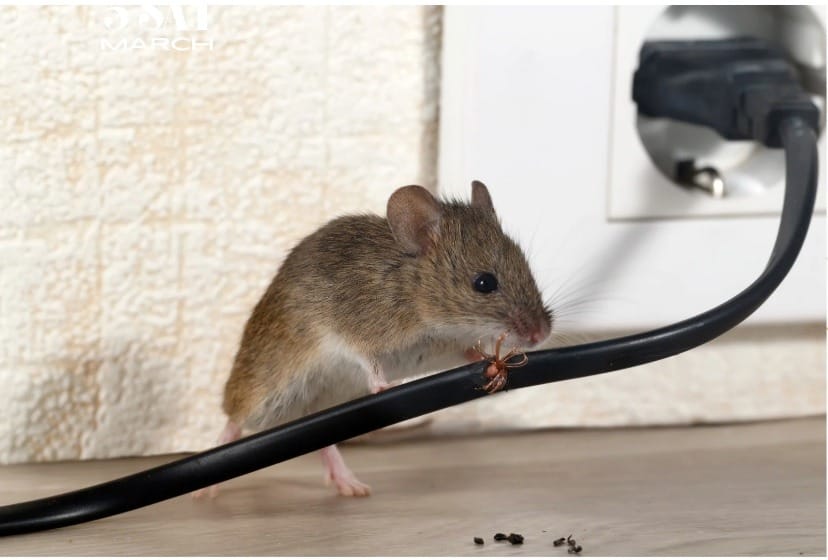
Discovering mouse droppings in your home can be an unsettling experience. Your first instinct is to clean and disinfect the area immediately. In the search for a natural, non-toxic cleaner, many people ask: does vinegar disinfect mouse droppings?
The short answer is yes, vinegar can clean mouse droppings, but it is not a reliable disinfectant for eliminating the dangerous pathogens they may carry. Relying on vinegar alone can leave you and your family at risk.
This article will break down why vinegar falls short, what the proven disinfection protocol is, and how to safely clean up mouse droppings.
Why Mouse Droppings Are a Serious Health Hazard
Before we discuss cleaning solutions, it’s crucial to understand what you’re dealing with. Mouse droppings are not just unsightly; they are a potential biohazard. They can carry and transmit harmful viruses and bacteria, including:
- Hantavirus: A potentially life-threatening respiratory disease spread through inhalation of aerosolized particles from dried droppings, urine, or saliva.
- Salmonella: A common cause of food poisoning, which can contaminate surfaces and food.
- Leptospirosis: A bacterial infection that can affect both humans and animals.
Dr. Emily Carter, a public health specialist, emphasizes the risk: “The primary danger from mouse droppings isn’t the droppings themselves, but the pathogens they may harbor. Hantavirus, in particular, is a serious concern because it becomes airborne during cleanup if not done properly. This is why the disinfection step is non-negotiable.”

The Power and Limits of Vinegar as a Cleaner
Vinegar, specifically white distilled vinegar, is a fantastic natural cleaning agent. Its acetic acid content (typically 5-8%) gives it powerful properties:
- Deodorizing: Effectively neutralizes odors.
- Grease-Cutting: Breaks down grime and residue.
- Mildly Antimicrobial: It can kill or inhibit some bacteria and mold, such as E. coli and Salmonella, but only with prolonged contact time.
However, this is where its limitations become critical in the context of mouse droppings.
Vinegar is not effective against viruses like Hantavirus. The EPA registers and regulates disinfectants specifically for their ability to kill proven pathogens. Vinegar does not have these registrations or the proven chemical strength to neutralize tough viruses.
The Correct Protocol for Cleaning Mouse Droppings
The Centers for Disease Control and Prevention (CDC) and the EPA recommend a specific, two-step process for safe cleanup. This process prioritizes killing pathogens before you even start cleaning.
Step 1: Disinfect with a Proven Solution
Do NOT sweep or vacuum. This can kick up dust and viral particles into the air. Instead, thoroughly spray the droppings and the surrounding area with one of these EPA-registered disinfectants:
- A bleach solution (1 part bleach to 10 parts water)
- Or a commercial disinfectant labeled as effective against viruses.
Let the solution soak for at least 5 minutes to fully saturate and neutralize any pathogens.
Step 2: Clean and Deodorize the Area
Once the area has been disinfected, you can now safely clean up. Wear gloves and a mask during this entire process.
- Wipe up the droppings with paper towels or disposable cloths.
- This is where vinegar can play a role. After the virulent pathogens have been neutralized by the bleach, you can use a vinegar solution to wipe down the surface. This will help remove any remaining residue and eliminate lingering odors, leaving the area clean and fresh.
- Dispose of all waste, including gloves and cloths, in a sealed plastic bag.
- Wash your hands thoroughly with soap and warm water.
Disinfectant Comparison Table
| Feature | Vinegar | Bleach Solution | Commercial Disinfectant |
|---|---|---|---|
| Kills Bacteria | Limited efficacy | Yes | Yes |
| Kills Viruses (e.g., Hantavirus) | No | Yes | Yes |
| EPA-Registered | No | Yes | Yes |
| Primary Role | Cleaner & Deodorizer | Disinfectant | Disinfectant |
| Safety Notes | Non-toxic, safe for most surfaces | Can damage some surfaces, fumes can be irritating | Follow label directions; can contain harsh chemicals |
| Best For | General cleaning & odor removal after disinfection | Initial disinfection of mouse droppings | Initial disinfection of mouse droppings |
Final Verdict: Clean vs. Disinfect
It’s essential to understand the difference between cleaning and disinfecting.
- Cleaning removes dirt, grime, and impurities from surfaces. Vinegar is an excellent cleaner.
- Disinfecting kills germs and pathogens on surfaces. This requires an EPA-registered agent like bleach.
As the table illustrates, vinegar is not a substitute for a proper disinfectant when dealing with high-risk biohazards like mouse droppings.
Conclusion: Safety First
While vinegar is a staple in any natural cleaning cabinet, it should not be your first line of defense against mouse droppings. The potential health risks are too severe to rely on an unproven method.
The safest and most effective approach is to first disinfect with a bleach solution or EPA-approved product to kill dangerous viruses, and then clean with vinegar or soapy water to remove residues and odors. By following this two-step, CDC-recommended protocol, you can ensure your home is not just clean, but truly safe.