Does Clorox Kill Scabies? A Clear-Cut Guide to Disinfection
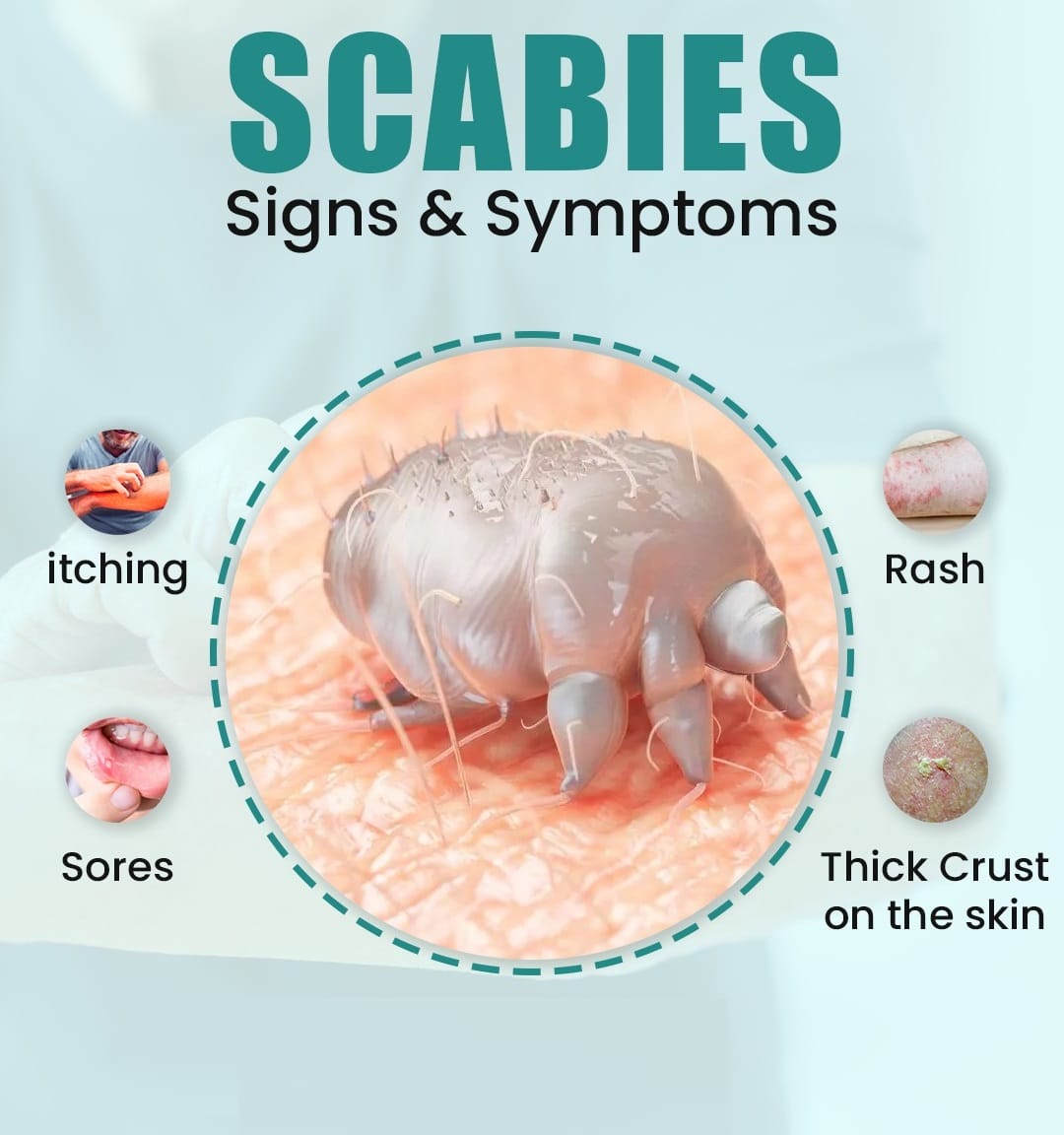
If you or a loved one is dealing with a scabies infestation, you’re likely in a frantic search for solutions. In your quest to purge your home of these microscopic mites, you’ve probably looked under the sink and asked: “Does Clorox kill scabies?”
It’s a logical question. We often turn to powerful disinfectants like Clorox bleach for serious germs. As a tech educator, I think of it like trying to use a powerful antivirus on a stubborn computer worm—you need to know if it’s the right tool for the job.
Let’s dive into the science, separate fact from fiction, and build a comprehensive battle plan to reclaim your home from scabies.
The Short Answer: Yes, But With a Major Caveat
Yes, Clorox bleach can kill scabies mites on hard, non-porous surfaces. The active ingredient in Clorox, sodium hypochlorite, is a potent biocide that can destroy the mites and their eggs when used in a concentrated solution and with proper contact time.
However—and this is a critical “however”—Clorox bleach is NOT a safe or effective treatment for scabies on the human body. Pouring or applying bleach to your skin is dangerous and can cause severe chemical burns, tissue damage, and poisoning.
As I often tell my students, using the right tool incorrectly can cause more harm than the original problem. Bleach is a surface disinfectant, not a personal medication.
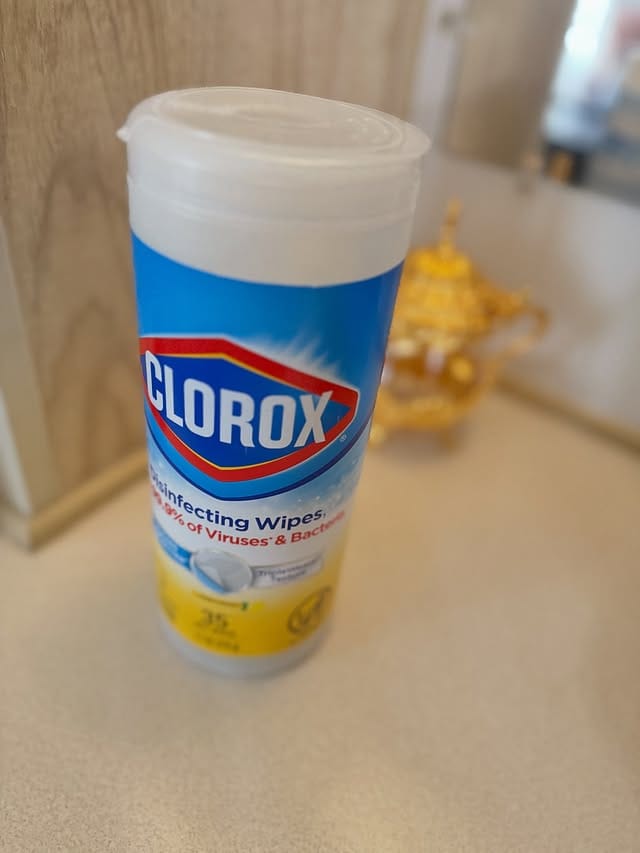
How to Use Clorox for Scabies in Your Home (The Right Way)
While your primary focus should be on prescribed medical treatments for your skin, decontaminating your environment is a crucial step to prevent re-infestation. Scabies mites can live for 48-72 hours on clothing, bedding, and furniture.
Here’s a safe and effective protocol for using Clorox to disinfect hard surfaces:
- Create the Solution: Mix a solution of 1 part Clorox bleach to 5 parts cold water. This creates a concentration strong enough to be effective.
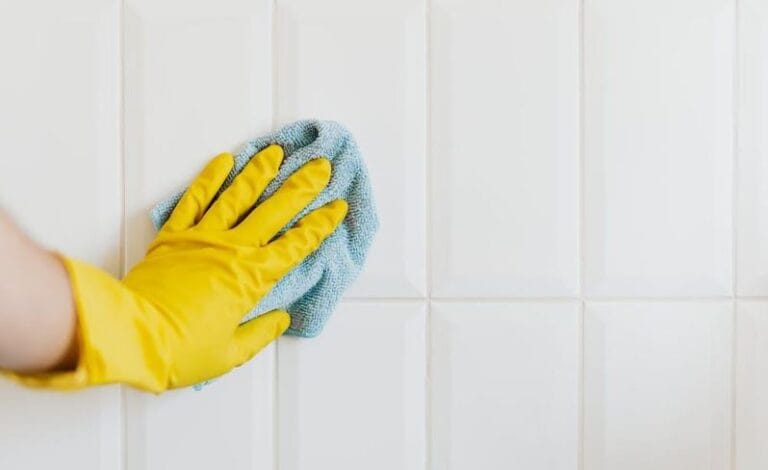
- Wear Protection: Always wear gloves and ensure the area is well-ventilated.
- Apply and Let Sit: Wipe down the surface thoroughly and allow the solution to remain wet for at least 5-10 minutes of contact time. This is crucial for killing both mites and their resilient eggs.
- Rinse (if needed): For food-contact surfaces like countertops or tables, rinse with clean water after the contact time.
Surfaces you should target:
- Bathroom and kitchen counters
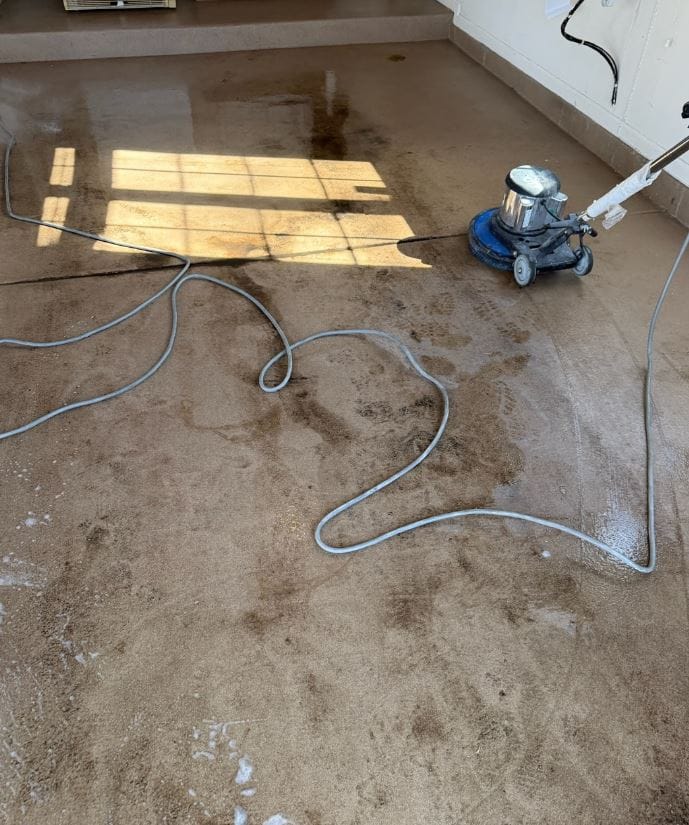
- Flooring (if sealant is in good condition)
- Doorknobs and light switches
- The plastic shell of toilet seats
- Hard plastic or metal furniture frames
Surfaces to avoid: Do not use bleach solutions on porous materials like wood, upholstery, or carpets, as it can damage them and may not penetrate deeply enough to kill all mites.
What Bleach Can’t Do: The Limitations
To understand why bleach isn’t a cure-all, it helps to think of your home as having different “file systems.” Bleach is great for wiping down the “hard drive” (non-porous surfaces), but it can’t scan and clean the “soft, fuzzy archives” (fabric and porous materials).
“Bleach is a surface-level solution for a problem that requires a full-system cleanse. Relying on it alone is like only running a virus scan on your desktop icons while ignoring the rest of your hard drive.” — Your Tech-Savvy Blogger
This is why a multi-pronged approach is non-negotiable.
The Complete Scabies Eradication Plan: A Comparative Table
Think of beating scabies like a tech project with three critical phases: Medical Treatment, Environmental Decontamination, and Personal Care. Here’s how the tools compare:
| Method | Best For | How It Works | Key Consideration |
|---|---|---|---|
| Prescription Creams (Permethrin) | Treating the Human Body | Neurotoxin that kills mites on contact. Applied from neck down. | The #1 medical treatment. Must be applied correctly to all skin surfaces. |
| Clorox Bleach Solution | Disinfecting Hard Surfaces | Powerful chemical oxidizer that destroys mites on non-porous materials. | DANGEROUS ON SKIN. Excellent for bathrooms, kitchens, and floors. |
| High-Heat Washing & Drying | Decontaminating Fabrics | Heat ( >50°C/122°F) denatures the proteins in mites, killing them. | The safest and most effective method for bedding, clothing, and towels. |
| Vacuuming | Removing Mites from Carpets & Upholstery | Physically removes mites and eggs from fibers. | Dispose of the vacuum bag/canister contents immediately in a sealed bag. |
| Sealing in Plastic Bags | Items That Can’t Be Washed | Isolates items for 3-7 days, starving the mites of a human host. | Effective for stuffed animals, delicate shoes, and other non-washables. |
The Final Verdict
So, does Clorox kill scabies? Yes, it is a potent weapon for your hard-surface disinfection routine. It should be part of your broader decontamination strategy.
But remember the golden rule: Bleach is for your home, not your skin. Your health is the most important system you own. Always prioritize the guidance of a healthcare professional for treatment and use powerful tools like Clorox bleach safely and for their intended purpose. By combining medical treatment with a thorough environmental clean-up, you can successfully debug your home and get back to a comfortable, itch-free life.